• Skip to main content
  • Skip to footer
  • Pacific Mobility Center Stairlifts and More - We Keep You Moving!
  • We Keep You Moving!
  • Call Us Today!
  • 760-471-8884
  • 866-786-2966

Pacific Mobility Center

Stairlifts - Lifts - Mobility Products

  • Stairlifts
    • Bruno Elan Stairlift
    • Bruno Elite – Curved Rail Stairlifts
    • Bruno Elite – Straight Rail Stairlift
    • Bruno Outdoor Curved Stairlifts
    • Bruno Outdoor Straight Stairlifts
    • Stairlift Rentals
  • Products
  • Gallery
    • Photo Gallery
    • Video Gallery
  • FAQ
  • About
    • About Us
    • Contact
    • Locations
    • Service Area
    • Testimonials
    • Reviews
    • Newsletter Subscription and Archives
  • Coupons
  • Blog

Product Information

Hand Rail Systems Can Make the Home More Safe

October 19, 2015 By Jeff Conner

grab rail

While many seniors prefer to live in their homes for as long as possible, most homes are not designed for maximum safety. As people age, their balance, stability and muscle strength tend to wane. This diminishing vitality, coupled with a concomitant decrease in visual acuity, is the cause of many home accidents. Indeed, falls are the number one cause of injury among seniors, responsible for almost three million emergency room visits and more than 25,000 deaths in Canada and the U.S., annually.

One type of home modification that can help make the home safer is a handrail system. There are three major reasons to install handrails:
• To support walking
• To support overall mobility
• To prevent falls

It is important to understand that railings and banisters are not handrails and should not be confused with them. Railings and banisters may provide some support, but they are generally not strong enough to prevent a fall should a person grab onto it in extremis. A true handrail must withstand at least 500 pounds of force.

In addition, according to the Americans with Disabilities Act, a handrail needs to be:
• 1¼” – 2″ in diameter
• Round (or equivalent)
• 1½” minimum from the wall
• At least 1½” above any horizontal protrusion
• Continuous on and between stairs, ramps, landings and horizontal extensions at the tops and bottoms of slopes

Handrails can be installed in many different areas of a house. For example, a handrail can be installed on the wall above the bath tub; in a shower or just outside it; next to a sink or toilet; alongside a bed; on a staircase; in a kitchen or work space, or anywhere else where a senior or anyone else who is mobility challenged, requires or desires one. Usually, they are made of metal, such as aluminum, but they can also be made of wood or heavy plastic.

More important than the actual handrail material is the strength of the bracket that attaches it to the wall.Therefore, it is highly advisable that handrail systems be installed by professionals using the appropriate fasteners and fixtures. Do-it-yourself installations may also be available, but instructions must be followed carefully when putting them up. Also, there may be cases where handrails would impede movement or create risks for the elderly if they are installed in an inappropriate location.

At Pacific Mobility, we can assist you in planning the best and most appropriate type of handrail system for your home. Our experienced staff can also install your handrails, providing you the best in safety and reliability.

Jeff Conner
Jeff Conner

President, Husband, Father, Grandfather Graduate of UC Davis- Bio Sci Major- Go Aggies! Jeff has extensive experience in all of Pacific Mobility’s products and services, and specializes in accessibility products as well as stairlifts, ceiling lifts and custom wheel chairs. His hobbies include spending time with family, gardening, mountain biking, exercising and off road motorcycle riding.

24 years as Owner/President of Pacific Mobility Center – selling, installing, and servicing stairlifts, porch lifts, ceiling lifts, pool lifts, handicap ramping, specialty wheelchairs, scooters, power wheel chairs, and other power mobility devices
Certified Environmental Access Consultant since 2008
Licensed General Contractor since 1998
Certified Aging in Place Specialist since 2016
Board Member for Home Access Professionals
Member of Association of Members of the Accessibility Equipment Industry (AEMA)

www.linkedin.com/in/jeff-conner-14085616/

Filed Under: Blog Posts, Product Information Tagged With: bathroom, crutches, disability, grab rails, mobility, mobility challenged, safety, senior citizens

Knee Walker vs. Crutches – Pros and Cons

September 30, 2015 By Jeff Conner

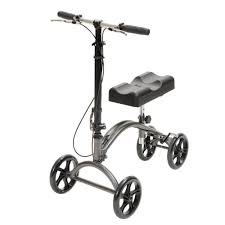
Knee Walker

If you had to choose between using a knee walker versus using crutches after recovering from a broken ankle, foot surgery, or any other operation or injury, you might wish you had the option to choose neither. After all, any assistive mobility device is going to be something that you’re going to have to learn to control and maneuver, not to mention drag around. Of course, choosing neither is an option if you have the time and ability to stay completely off your feet for an extended period of time. However, most people want and need to be able to get around, and the thought of being totally immobilized until well enough to walk unassisted is far from a pleasant thought.

And so, these two devices are really your best choices. Let’s consider their pros and cons:

• Crutches – the Pros: If you have decent upper body strength and mobility, you can usually walk faster with crutches, once you’ve figured out how to use them. Also, walking with crutches will certainly take some work, and there’s nothing wrong with getting some exercise when recuperating from an operation or injury. Also, crutches are fairly inexpensive. You can even rent them from a medical supplier.

• Crutches – the Cons: Crutches can be difficult to maneuver. And because all your weight must be carried on your armpits, you certainly risk irritating them – not to mention the wear and tear on your shoulders, wrists and lower back. Many people with injured legs find crutches too unsteady and unsafe for their use. Also, when your arms and hands are occupied clutching your crutches, you will have more difficulty in using them to open doors, pick things up, etc. Stairs can be particularly difficult to navigate with crutches, especially at the beginning. Finally, crutches are clunky items that are constantly falling over and don’t always fit through doorways, car doors, etc.

• Knee Walkers – the Pros: Knee walkers, because they are low to the floor are generally more stable than crutches. They are cushioned for comfort with space to let you rest a cast or injured leg, without having to put your weight on it. You can zoom around pretty quickly, once you get the steering figured out, and once you stop, you have both hands free. They are fairly simple to use and don’t require any upper body strength. They are less clunky than crutches and the possibility of slipping on slick or wet surfaces is diminished.

• Knee Walkers – the Cons: Knee walkers can be unstable if you lean back or forward too far or too much to one side. Also, they take a while to learn how to go straight. They are slower going than crutches on many surfaces. You cannot go up or down stairs on a knee walker, and if the front wheel base is too wide, you may not be able to go through narrow doorways or halls. Knee walkers are more expensive than crutches.

At Pacific Mobility, we can help you choose the best option for your post-operative or post-injury recovery. We will only sell you what you need, and within your budget, to help you get back on your feet in the quickest time possible. Call us today for a free consultation.

Jeff Conner
Jeff Conner

President, Husband, Father, Grandfather Graduate of UC Davis- Bio Sci Major- Go Aggies! Jeff has extensive experience in all of Pacific Mobility’s products and services, and specializes in accessibility products as well as stairlifts, ceiling lifts and custom wheel chairs. His hobbies include spending time with family, gardening, mountain biking, exercising and off road motorcycle riding.

24 years as Owner/President of Pacific Mobility Center – selling, installing, and servicing stairlifts, porch lifts, ceiling lifts, pool lifts, handicap ramping, specialty wheelchairs, scooters, power wheel chairs, and other power mobility devices
Certified Environmental Access Consultant since 2008
Licensed General Contractor since 1998
Certified Aging in Place Specialist since 2016
Board Member for Home Access Professionals
Member of Association of Members of the Accessibility Equipment Industry (AEMA)

www.linkedin.com/in/jeff-conner-14085616/

Filed Under: Blog Posts, Product Information Tagged With: crutches, disability, knee walker, mobility assistive equipment, mobility challenged

Staying in the Home You Love vs. Moving to Assisted Living

September 18, 2015 By Jeff Conner

sb2-1-150x150

Most seniors, if given the choice, would choose to remain in their own home for as long as possible rather than move to an assisted living facility. In fact, one study puts the number as high as 90 percent. This is not a mystery. For most of us – seniors included – home is where we’re comfortable; where it’s safe and familiar. We get to sleep in our own bed, eat what and when we like, and have a certain amount of privacy.

By and large, an elderly person who remains at home has a greater measure of independence than a contemporary who lives in an assisted living situation and giving up one’s independence can be difficult. In fact, for some seniors, transitioning to an assisted living community can be psychologically devastating, as it portends the end of one of life’s chapters, and the beginning of an unknown experience out of one’s comfort zone.

However, some seniors who do choose to remain at home may experience social isolation and poor nutrition which can contribute to cognitive decline, health problems, depression, and a diminished quality of life – especially if some of the activities of daily living (ADLs), like dressing, bathing, cooking, cleaning, going up and down stairs, etc. become too difficult. These seniors must come to terms with the situation that is facing them. Either they can stay in the home they love, or they can make the move to assisted living.

Luckily, today, more and more seniors have the option of “aging in place,” as long as they are willing to make certain modifications in the way they live and to the houses in which they live.

For example, even if one is not completely healthy, with home-healthcare, seniors can have their medical needs attended to most satisfactorily without having to leave home. In fact, one study found that those seniors who received in-home care visited the doctor 25 percent fewer times than those that didn’t receive in-home care. Clients with Alzheimer’s or other dementia diseases made almost 50 percent less trips to the doctor. In addition, other in-home services such as housecleaning, non-medical care, shopping, transportation, and food services can help offset the need for an elderly individual to have to struggle with common, everyday chores.

Making the home more “senior-safe” is another tactic that will allow an elderly individual to remain longer in the home he or she loves. Some general home alterations include the widening of doorways, and the installation of grab bars in the bathroom and/or shower, bed rails, and some type of stairlift in homes that contain more than one story. For seniors restricted to a wheel chair, an outdoor ramp or porch lift can enable them go in and out safely and at will. In addition, home monitoring equipment can let family members keep an eye on an aged loved one from a distance.

None of this should suggest that a transfer to assisted living can’t be a viable option for some seniors. There are certainly some advantages for the elderly individual whose needs – both medical and mundane – can be attended to in a professionally operated assisted living facility staffed by competent and caring people. However, for those seniors who wish to stay at home, and know the necessary modifications that are available, aging in place is certainly easier to accomplish now than ever before.

At Pacific Mobility, we are the aging in place experts. Our staff has the knowledge and experience to help you design and implement your home modifications so that you can continue to remain in the home you love for as long as possible. Call us today for a free consultation.

Jeff Conner
Jeff Conner

President, Husband, Father, Grandfather Graduate of UC Davis- Bio Sci Major- Go Aggies! Jeff has extensive experience in all of Pacific Mobility’s products and services, and specializes in accessibility products as well as stairlifts, ceiling lifts and custom wheel chairs. His hobbies include spending time with family, gardening, mountain biking, exercising and off road motorcycle riding.

24 years as Owner/President of Pacific Mobility Center – selling, installing, and servicing stairlifts, porch lifts, ceiling lifts, pool lifts, handicap ramping, specialty wheelchairs, scooters, power wheel chairs, and other power mobility devices
Certified Environmental Access Consultant since 2008
Licensed General Contractor since 1998
Certified Aging in Place Specialist since 2016
Board Member for Home Access Professionals
Member of Association of Members of the Accessibility Equipment Industry (AEMA)

www.linkedin.com/in/jeff-conner-14085616/

Filed Under: Blog Posts, Product Information Tagged With: bathroom, disability, grab bars, grab rails, mobility, mobility challenged, safety, senior citizens

Different Types of stairlifts and Their Benefits

June 24, 2015 By Jeff Conner

Chair-lift

For mobility challenged individuals who need a way to go up and down a flight of stairs in their homes, there are several different types of stairlifts available. The most recognizable type is the straight stairlift that attaches to the stair treads by way of a straight rail on which a chair can glide up and down. These lifts are suitable for those users who can walk, but not climb, and don’t need to transport anything up and down but themselves, and maybe items that can be held on their lap.

The standard variation of the straight stairlift is the curved model that has a rail that can fit the shape of a winding or curved staircase. Both the straight and curved stairlift most commonly have a seat that is either fixed, folds up and down, or swivels toward or away from the wall. The kind of seat installed will depend both on the needs of the user and the space available on the stairs and landings of a particular home.

stairlifts can be operated either by battery or by a home’s electrical system. While batteries will have to be replaced every few years, those running on house current will never need that type of maintenance. On the other hand, electrical lifts won’t work if there is a power failure.

The standing stairlift is a variation of the lift device. It can be used by people who can’t sit but are able to stand. In order for a standing stairlift to operate effectively, there must be enough headroom in the staircase for a standing individual to travel safely. The standing lift is also suitable for homes with very narrow staircases or ones that for some reason can’t accommodate a seated lift.

Platform stairlifts are another variation. They are designed to be large and strong enough to hold a wheelchair, or in some cases, a small or mid-sized scooter. They are appropriate for individuals who can’t transfer from a sitting position in a chair or scooter to a chair in a standard stairlift. They are also ideal for older and disabled people who are wheelchair bound and need to stay in their chairs no matter what floor they are on.

Finally, although not considered a stairlift, per se, the vertical “through floor” lift has a track that can attach to a wall as it traverses through a hole in the ceiling/floor. It is an option for a home that cannot accommodate an ordinary lift, for example, one whose staircase is too narrow or has a spiral shape design.

At Pacific Mobility, we will help you choose the best stairlift option for your home by carefully explaining the benefits of all the different types we offer.

Jeff Conner
Jeff Conner

President, Husband, Father, Grandfather Graduate of UC Davis- Bio Sci Major- Go Aggies! Jeff has extensive experience in all of Pacific Mobility’s products and services, and specializes in accessibility products as well as stairlifts, ceiling lifts and custom wheel chairs. His hobbies include spending time with family, gardening, mountain biking, exercising and off road motorcycle riding.

24 years as Owner/President of Pacific Mobility Center – selling, installing, and servicing stairlifts, porch lifts, ceiling lifts, pool lifts, handicap ramping, specialty wheelchairs, scooters, power wheel chairs, and other power mobility devices
Certified Environmental Access Consultant since 2008
Licensed General Contractor since 1998
Certified Aging in Place Specialist since 2016
Board Member for Home Access Professionals
Member of Association of Members of the Accessibility Equipment Industry (AEMA)

www.linkedin.com/in/jeff-conner-14085616/

Filed Under: Blog Posts, Product Information, Uncategorized Tagged With: mobility, mobility assistive equipment, stairlift, wheelchair

Ramping vs. Porchlift

June 10, 2015 By Jeff Conner

If you need to facilitate wheelchair or handicap access to a home or structure that has a raised foundation, and stairs are not a viable option, essentially, you have two other choices: you can install either a ramp or a porch lift.                                                                                                  ramp     Porch Lift

In order to figure out if a ramp is a practical alternative, you’re going to have to do a lot of measuring and then perform some simple arithmetic. The first thing you need to determine is the extent of the rise between the ground and the structure’s entry level. In other words, what is the “rise?” Once you know the rise, then you can calculate how much ramping will be required.

According to the federal government’s Americans with Disabilities Act, the legal standard for the ratio of rise to ramping in public buildings is 1:12. In other words, for every inch of rise, the law requires twelve inches, or one foot, of ramping. Now, your home is not a public building and some municipal or county building codes might be more lenient requiring only, perhaps, 8 inches of ramping for every 1 inch of rise, so it’s important to check with your local government, if you need to build a steeper ramp. But the ADA ratio is considered the safest solution.

So, for example, if the rise between the ground and the entry level is 30 inches, you’re generally going to need 30 feet of ramping. Now that you know how many linear feet of ramping is necessary either for code or safety requirements, you’re going to have to measure again, this time to determine if you have 30 feet of room in which to put a ramp. If you don’t have a 30 foot straightaway, you’re going to need to break up the ramp with platforms, landings and/or turnarounds. Don’t try to estimate this essential element. Make sure that you have a solid plan that you can implement before you spend time and money installing a ramp.

If you decide that a ramp is doable, your material choices will likely be either wood or some type of metal – most probably aluminum. Wood may be less expensive, but aluminum generally requires less maintenance and can stand up better to inclement weather. Whatever material you choose, make sure that you apply some sort of non-skid surface to it. Also, make sure that the transition from the ground to the ramp is as smooth as possible. Bumps are difficult to navigate in a wheelchair.

If, for any reason, a ramp is not an acceptable option, your other choice is an exterior porch lift. While a porch lift will likely be more expensive than a ramp, it will always take up less space. In addition, a porch lift will often be the only choice if the rise is considerable. For example, a rise of 5 feet, or 60 inches, would require a 60 foot ramp. That amount of ramping simply might not be possible in any configuration on many pieces of property.

Before you decide on which alternative is the best one for your situation, you should seek out professional advice. Here at the Pacific Mobility Center, we can assist you in making the right decision for yourself or a loved one. Call us for a no-cost assessment and a member of our staff will work with you toward the most appropriate solution.

Jeff Conner
Jeff Conner

President, Husband, Father, Grandfather Graduate of UC Davis- Bio Sci Major- Go Aggies! Jeff has extensive experience in all of Pacific Mobility’s products and services, and specializes in accessibility products as well as stairlifts, ceiling lifts and custom wheel chairs. His hobbies include spending time with family, gardening, mountain biking, exercising and off road motorcycle riding.

24 years as Owner/President of Pacific Mobility Center – selling, installing, and servicing stairlifts, porch lifts, ceiling lifts, pool lifts, handicap ramping, specialty wheelchairs, scooters, power wheel chairs, and other power mobility devices
Certified Environmental Access Consultant since 2008
Licensed General Contractor since 1998
Certified Aging in Place Specialist since 2016
Board Member for Home Access Professionals
Member of Association of Members of the Accessibility Equipment Industry (AEMA)

www.linkedin.com/in/jeff-conner-14085616/

Filed Under: Blog Posts, Product Information Tagged With: disability, manual wheelchair, mobility, mobility assistive equipment, porch lift, ramp

Medicare Coverage for Mobility Equipment, Explained

October 15, 2014 By Jeff Conner

One of the first questions many folks ask when they are facing mobility issues is how they will pay for the mobility equipment they need. For most, Medicare is the first place they look for coverage. However, when it comes to Medicare benefits, questions abound. In this article, we will cover the ins and outs of Medicare coverage for wheelchairs and scooters, explain the process, and answer some of the more common question questions regarding this benefit.

Medicare classifies wheelchairs and scooters, as well as many other mobility products, as Durable Medical Equipment (DME). There is a Medicare benefit covering DME, but there are some conditions and limitations. Generally speaking, as long as these conditions are met, Medicare will pay for 80 percent of the cost of the equipment. Private insurance may help cover some or all of the remaining balance.

The first step in getting your DME covered is visiting your doctor. Your doctor must be enrolled in the Medicare program. He or she will examine you and determine what kind of medical equipment your condition requires. At this point, they will then prescribe the equipment for your use. Getting this prescription is important for receiving your DME Medicare benefit. While some medical equipment is available for private purchase without a prescription, most requires one, and regardless, to receive Medicare coverage, a doctor must prescribe the equipment for your in-home use.

Once you have the prescription, it’s time to find a dealer. This dealer must be enrolled in Medicare in order for you to receive coverage for the DME. Your dealer isn’t required to accept assignment, but if they do not, you may be required to pay the entire bill (both your share and Medicare’s) at the time of purchase, and then file for reimbursement.

It’s important to note that Medicare does not limit what suppliers are allowed to charge you, but they do limit their benefit. They will only cover 80 percent of the Medicare-approved amount, leaving you to cover any remainder. The San Diego area, including Carlsbad and San Marcos, is in a Medicare competitive bidding area, which further limits the amount Medicare will pay towards your DME.

For these reasons, it’s important to buy from a reputable dealer who understands the DME benefit and the intricacies of Medicare’s requirements, and who will take the time to sit down with you and clearly explain their price and your share. Your dealer should also be able to work with your private insurance, if you have any, and make sure you are also receiving the maximum benefit from that insurance. When Medicare and private insurance benefits are combined properly, you may end up having to pay little or nothing out of pocket.

Here at Pacific Mobility Center, we have a wide range of scooters and powerchairs to fit your needs, but more importantly than that, because we have been in business for over 20 years, we have the knowledge and skills to help navigate the Medicare and insurance process. We will help you determine what your coverage is, and clearly explain your benefits, as well as your out-of-pocket costs. We help with the paperwork, and do what it takes to make purchasing your new powerchair or scooter a breeze. We also guarantee the lowest prices in the San Diego area, so you can be sure you’re getting a great deal. Because we also live locally, we care about our clients and do everything in our power to make sure the buying process is easy, fair, transparent, and satisfying. Come see what a difference family ownership, experience, and a local connection to the community makes. Contact us or come on in to our beautiful showroom today!


Jeff Conner
Jeff Conner

President, Husband, Father, Grandfather Graduate of UC Davis- Bio Sci Major- Go Aggies! Jeff has extensive experience in all of Pacific Mobility’s products and services, and specializes in accessibility products as well as stairlifts, ceiling lifts and custom wheel chairs. His hobbies include spending time with family, gardening, mountain biking, exercising and off road motorcycle riding.

24 years as Owner/President of Pacific Mobility Center – selling, installing, and servicing stairlifts, porch lifts, ceiling lifts, pool lifts, handicap ramping, specialty wheelchairs, scooters, power wheel chairs, and other power mobility devices
Certified Environmental Access Consultant since 2008
Licensed General Contractor since 1998
Certified Aging in Place Specialist since 2016
Board Member for Home Access Professionals
Member of Association of Members of the Accessibility Equipment Industry (AEMA)
www.linkedin.com/in/jeff-conner-14085616/

Filed Under: Blog Posts, How To's, Product Information Tagged With: dme, insurance, medicare, powerchair, scooter, wheelchair

5 Must-Have Mobility Products for San Diego Summers

July 14, 2014 By Jeff Conner

Summer is here in full force. It’s a great time of year to get outside, be active, and enjoy nature. Unfortunately, many who struggle with mobility allow these challenges to prevent them from enjoying summer the way it was meant to be enjoyed. Here at Pacific Mobility Center, we have a surprisingly wide array of products designed to help you get out there and claim your independence.


Scooters and Powerchairspursuit

Scooters and powerchairs are both designed to give users who need powered mobility assistance with a reliable way to get around. We’ve covered the difference between them in more detail here, but suffice it to say that scooters tend to be better outdoors and for users who don’t always need the use of a chair, while powerchairs are better in tight confines or for users who use a chair full time. Either way, being able to go on summer adventures with confidence is the first step to actually having those exciting times all season.

Vehicle Controlshand control

The road trip is a staple of summer, but sometimes mobility issues make controlling a car difficult or frightening. Regain your confidence and control with our wide array of vehicle controls designed to make driving possible and safe again. Our installation technicians are factory trained and have the skills to quickly install the correct controls for your car and we have demo models available in our showroom. BONUS: Don’t forget the turning seats and vehicle lifts to get you and your equipment into and out of your car in safety with ease.

Porch and stairliftsporch lift

Summer is a great time to sit out on the porch or patio and enjoy the weather while sipping an ice cold beverage. Reclaim all those wonderful outdoor places of your home that have lain unused and neglected through the cold winter months with our line of porch lifts and stairlifts, designed to help you regain access to those areas of your home that were previously too dangerous or difficult to manage. BONUS: For a limited time, get $200 off the installation of a new Bruno stairlift!

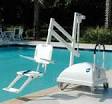
Pool Liftspool lift

It’s so hot, and the pool looks inviting. Being in the water is much easier on the joints, and swimming is also great exercise. Unfortunately, getting into and out of a pool may be difficult or dangerous for some with mobility trouble. Good news: our line of pool lifts are designed to help you get into and out of your pool or hot tub safely and confidently. With our pool lifts, you can finally partake again in that most quintessential summer activity, swimming. Start enjoying your pool again with a pool lift.

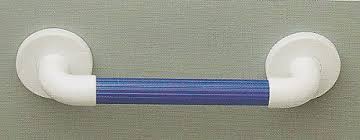
Grab Barsgrab bars

After all that hot, sweaty, relaxing summer fun, nothing hits the spot like a shower. For those with mobility issues, however, the bathroom is the most dangerous area of the home. 85 percent of falls seniors experience take place in the bathroom. Grab bars help those with mobility issues regain their safety and dignity in the bathroom by providing a safe place to lift, lower, and steady yourself. BONUS: For a limited time, buy three grab bars and get a fourth free.


At Pacific Mobility Center, we want summer fun to be yours again. Our locally owned and operated business has nearly 20 years of experience getting residents of San Diego and Orange County the mobility products they need, with the most knowledgeable and friendly sales staff and the lowest prices, guaranteed. We also offer rentals and demo models so you can try before you buy, and free quotes from our licensed and certified installers once we find you a product you love. So, if you’re ready to take the plunge and make this summer the summer you regained your independence and freedom, contact us today. You’ll be glad you did.

See our porchlifts in action:

Jeff Conner
Jeff Conner

President, Husband, Father, Grandfather Graduate of UC Davis- Bio Sci Major- Go Aggies! Jeff has extensive experience in all of Pacific Mobility’s products and services, and specializes in accessibility products as well as stairlifts, ceiling lifts and custom wheel chairs. His hobbies include spending time with family, gardening, mountain biking, exercising and off road motorcycle riding.

24 years as Owner/President of Pacific Mobility Center – selling, installing, and servicing stairlifts, porch lifts, ceiling lifts, pool lifts, handicap ramping, specialty wheelchairs, scooters, power wheel chairs, and other power mobility devices
Certified Environmental Access Consultant since 2008
Licensed General Contractor since 1998
Certified Aging in Place Specialist since 2016
Board Member for Home Access Professionals
Member of Association of Members of the Accessibility Equipment Industry (AEMA)
www.linkedin.com/in/jeff-conner-14085616/

Filed Under: Blog Posts, Product Information Tagged With: deals, fun, grab bars, mobility, pool lifts, porch lifts, powerchair, San Diego, scooter, stairlifts, summer, turning seats, vehicle controls, vehicle lifts

Motorized Mobility: Scooter or Powerchair?

April 17, 2014 By Jeff Conner

Mobility trouble can be extremely challenging. Many times, those with mobility issues often not only have trouble walking, but also have trouble pushing themselves in a wheelchair. In these cases, a motorized transport such as a scooter or powerchair is often the best solution. But which to choose? Knowing the difference between a powerchair and a scooter and deciding correctly which is best for you can save you money and frustration and ensure that you get the best experience out of your purchase. Let’s take a look at the two types of motorized mobility vehicles and review how to choose the best one for your situation.

Mobility Scooters

scooter

The first type of motorized mobility vehicle is called a mobility scooter. An electric mobility scooter is usually controlled with handlebars similar to those found on bicycles. Mobility scooters can reach speeds of up to 10 miles per hour, and some models can be used on roads, across fields, and up steep hills. Mobility scooters come in a variety of types, including three-wheeled models, four-wheeled models, and compact models. Each has its advantages. A four-wheel mobility scooter is more stable and generally supports more weight than other models. A three-wheel mobility scooter offers a tight turning radius and thus has improved maneuverability. A compact mobility scooter can be easily folded or disassembled for transportation in the trunk of a car. Compact mobility scooters are also a good choice if the storage room in your home is limited. These vehicles can be easily kept in an out-of-the-way corner or closet.

Mobility scooters are usually lower-cost than powerchairs, and are often much more rugged in design, allowing the user to tackle more difficult terrain. Additionally, scooters have a psychological advantage in the minds of some users since they appear so different from wheelchairs. Sometimes, not feeling confined to a wheelchair can make all the difference. Scooters do have drawbacks, however. Scooters are generally larger than powerchairs, and thus can be difficult to maneuver indoors or in tight spaces. In worst case scenarios, this makes a user have to get up from the chair and walk, negating the purpose of owning the vehicle in the first place.

Powerchairs

powerchair Powerchairs, also known as power wheelchairs or electric wheelchairs, are high-tech devices packed with features to make mobility a cinch. Although more expensive than scooters, they offer a wider range of features. Powerchairs generally have either four or six wheels, offer zero-radius turning for increased maneuverability, and are controlled with a joystick. Electric wheelchairs have advanced abilities such as motorized stand, recline, and tilt features to make getting into and out of them easier and to provide greater comfort to the user. They also offer the best support to users with posture issues.

Powerchairs do not fair as well as scooters on rough terrain, and are primarily made for use indoors or on smooth paved surfaces, which limits their usefulness to some users. Additionally, they are very heavy and do not usually fold, making their ability to be transported and used on lifts problematic.

 Choosing the Right Vehicle

 Which type of electric mobility vehicle is right for you depends largely on the use for which you need it. Do you intend to use it primarily as an aid for normal walking, or do you intend to use it continuously or for long periods of time? Because of their advanced comfort, powerchairs are best for longer use, but due to their weight and increased expensive should only be used in situations where a scooter will not be sufficient. Still confused? At Pacific Mobility Center, our highly-trained and knowledgeable sales staff has the ability and takes the time to get to know your situation and recommend the best scooter or chair for your circumstances or budget. This is just one more advantage of dealing with a local, family-owned and-operated company. Come see what a difference that makes for your shopping and buying experience.
Contact us
today!

Check out the Victory 10 Pride Mobility Scooter:

Jeff Conner
Jeff Conner

President, Husband, Father, Grandfather Graduate of UC Davis- Bio Sci Major- Go Aggies! Jeff has extensive experience in all of Pacific Mobility’s products and services, and specializes in accessibility products as well as stairlifts, ceiling lifts and custom wheel chairs. His hobbies include spending time with family, gardening, mountain biking, exercising and off road motorcycle riding.

24 years as Owner/President of Pacific Mobility Center – selling, installing, and servicing stairlifts, porch lifts, ceiling lifts, pool lifts, handicap ramping, specialty wheelchairs, scooters, power wheel chairs, and other power mobility devices
Certified Environmental Access Consultant since 2008
Licensed General Contractor since 1998
Certified Aging in Place Specialist since 2016
Board Member for Home Access Professionals
Member of Association of Members of the Accessibility Equipment Industry (AEMA)
www.linkedin.com/in/jeff-conner-14085616/

Filed Under: Blog Posts, Product Information

  • « Go to Previous Page
  • Page 1
  • Page 2
  • Page 3
  • Page 4
  • Page 5
  • Go to Next Page »

Footer

San Diego County Showroom

1355 Grand Ave Suite 102
San Marcos, CA 92078
Toll Free: 866-786-2966
Local: 760-471-8884

Riverside County Lift Sales

Pacific Mobility Center of Temecula
Toll Free: 866-786-2966
Local: 951-383-6845

Orange County Lift Sales

Pacific Mobility Center of Huntington Beach
Toll Free: 866-786-2966
Local: 714-907-4005

Office Hours

Monday-Thursday: 9:00am-5:00pm (closed 12:00-1:15 for lunch)

Friday: 8:30am-4:30pm (closed 12:00-1:15 for lunch)

Find Us on Social Media

Facebook Yelp BBB Angies List Twitter LinkedIn

Showroom Location


View Larger Map

  • Home
  • Coupons
  • Quote Request
  • About Us
  • Products
  • Careers
  • Blog
  • Gallery
  • FAQ
  • Contact
  • Service Area
  • Privacy Policy
  • Terms of Service
  • Disclaimer
  • Cookie Policy
  • Proposition 65 Warnings

Copyright © 2026 Pacific Mobility, All Rights Reserved.


Website by A Servant's Heart Web Design and Marketing

Schedule an Appointment

How can we help you?