• Skip to main content
  • Skip to footer
  • Pacific Mobility Center Stairlifts and More - We Keep You Moving!
  • We Keep You Moving!
  • Call Us Today!
  • 760-471-8884
  • 866-786-2966

Pacific Mobility Center

Stairlifts - Lifts - Mobility Products

  • Stairlifts
    • Bruno Elan Stairlift
    • Bruno Elite – Curved Rail Stairlifts
    • Bruno Elite – Straight Rail Stairlift
    • Bruno Outdoor Curved Stairlifts
    • Bruno Outdoor Straight Stairlifts
    • Stairlift Rentals
  • Products
  • Gallery
    • Photo Gallery
    • Video Gallery
  • FAQ
  • About
    • About Us
    • Contact
    • Locations
    • Service Area
    • Testimonials
    • Reviews
    • Newsletter Subscription and Archives
  • Coupons
  • Blog

bathroom

World Arthritis Day: How Stair Lifts Improve Joint Health and Mobility for Seniors

September 10, 2024 By ASHWDM VA

World Arthritis Day, observed every year on October 12th, serves as a crucial reminder of the challenges faced by millions of people worldwide living with arthritis. This chronic condition, characterized by inflammation and pain in the joints, can significantly impact the quality of life, particularly for seniors. As the global population ages, the prevalence of arthritis is expected to rise, making it more important than ever to focus on solutions that enhance mobility and alleviate the burden of this condition. One such solution is the stair lift—a device that can significantly improve joint health and overall mobility for seniors.

Understanding Arthritis and Its Impact on Mobility

Arthritis is not a single disease but rather a group of more than 100 different types of joint disorders, the most common of which are osteoarthritis and rheumatoid arthritis. Osteoarthritis occurs when the cartilage that cushions the ends of bones in the joints deteriorates over time, leading to pain, stiffness, and reduced mobility. Rheumatoid arthritis, on the other hand, is an autoimmune disorder where the immune system mistakenly attacks the joints, causing inflammation, pain, and eventually joint damage.

For seniors, these conditions can make everyday activities like walking, bending, and climbing stairs incredibly challenging. The pain and stiffness associated with arthritis often lead to reduced physical activity, which can further exacerbate joint problems. Limited mobility can also lead to social isolation and a decline in overall health, as seniors may avoid leaving their homes due to the fear of falling or experiencing pain.

The Role of Stair Lifts in Enhancing Mobility

Stair lifts are mechanical devices designed to help individuals safely navigate stairs. They consist of a chair or platform that moves along a rail mounted to the staircase, allowing users to sit or stand as they are transported up or down the stairs. For seniors with arthritis, stair lifts offer several key benefits that can significantly improve their quality of life.

1. Reducing Joint Strain

One of the most immediate benefits of a stair lift is the reduction in joint strain. Climbing stairs places a considerable amount of stress on the knees, hips, and ankles—joints that are commonly affected by arthritis. This strain can lead to increased pain and further deterioration of joint health. By using a stair lift, seniors can avoid the repetitive strain of stair climbing, thereby reducing pain and preventing further damage to their joints.

2. Promoting Independence

For many seniors, maintaining independence is a top priority. However, arthritis can make it difficult to move freely around the home, particularly in multi-story houses. Stair lifts empower seniors to maintain their independence by enabling them to access all levels of their homes without assistance. This can be especially important for seniors who live alone or who wish to age in place rather than move to a single-story home or assisted living facility.

3. Preventing Falls

Falls are a major concern for seniors, particularly those with arthritis. The combination of joint pain, stiffness, and reduced mobility increases the risk of falls, which can lead to serious injuries such as fractures or head trauma. Stair lifts provide a safe and secure way for seniors to navigate stairs, significantly reducing the risk of falls. Many stair lifts are equipped with safety features such as seat belts, swivel seats, and sensors that detect obstacles on the stairs, further enhancing safety.

4. Encouraging Physical Activity

While it may seem counterintuitive, using a stair lift can actually encourage physical activity. When seniors are no longer burdened by the pain and difficulty of climbing stairs, they may be more likely to engage in other forms of exercise that are less taxing on the joints, such as walking, swimming, or stretching exercises. Regular physical activity is essential for maintaining joint health, improving circulation, and enhancing overall well-being.

5. Improving Mental Health

The psychological impact of arthritis should not be underestimated. Chronic pain and limited mobility can lead to feelings of frustration, anxiety, and depression. By improving mobility and reducing pain, stair lifts can help seniors feel more in control of their lives, boosting their confidence and overall mental health. The ability to move freely around their homes without fear of pain or injury can greatly improve their quality of life.

Conclusion

On World Arthritis Day, it’s important to recognize the challenges faced by seniors living with arthritis and to explore solutions that can improve their quality of life. Stair lifts are a practical and effective tool for enhancing mobility, reducing joint strain, and preventing falls, all of which contribute to better joint health and overall well-being. By investing in a stair lift, seniors with arthritis can regain their independence, stay active, and enjoy a higher quality of life, despite the challenges posed by their condition.

ASHWDM VA
ASHWDM VA

Filed Under: aging, disability Tagged With: bathroom, mobility, stairlift

Ensuring Happiness Happens Month: Boosting Senior Well-being with Stair Lifts

July 3, 2024 By ASHWDM VA

In the realm of senior care and well-being, innovations continue to reshape the landscape, offering practical solutions that enhance quality of life and independence. One such innovation that stands out is the humble stair lift—a device designed to assist seniors and individuals with mobility challenges in navigating stairs safely and comfortably within their homes. As we celebrate “Happiness Happens Month,” it’s pertinent to explore how stair lifts contribute to the well-being and happiness of seniors, providing them with newfound freedom and peace of mind.

#The Challenge of Mobility for Seniors

Aging brings with it various challenges, and one significant concern for many seniors is mobility. Stairs, once easily traversed, can become daunting obstacles as mobility decreases due to age-related issues such as arthritis, muscle weakness, or joint pain. For seniors living in multi-story homes, the stairs that once symbolized comfort and familiarity may increasingly restrict their ability to move freely within their own living spaces. This limitation not only affects their physical independence but can also lead to feelings of frustration, isolation, and even safety concerns.

#The Role of Stair Lifts in Enhancing Senior Well-being

Stair lifts, with their practical design and ease of use, offer a transformative solution to these challenges. A stair lift is a motorized chair attached to a rail system that runs along the length of a staircase. By simply sitting in the chair and pressing a button, seniors can effortlessly glide up or down the stairs, eliminating the physical strain and potential hazards associated with climbing stairs independently.

1. Safety and Security:

   – Safety is paramount for seniors, and stair lifts provide a secure means of navigating stairs without the risk of falls or injuries. Modern stair lifts come equipped with safety features such as seatbelts, sensors to detect obstacles, and emergency stop buttons, ensuring a safe journey every time.

2. Independence and Freedom:

   – Retaining independence is crucial for seniors’ mental and emotional well-being. Stair lifts empower seniors to move freely around their homes, accessing all levels without relying on assistance from others. This independence fosters a sense of control and dignity, promoting a happier and more fulfilling lifestyle.

3. Improved Quality of Life:

   – By removing the barrier posed by stairs, stair lifts enhance the overall quality of life for seniors. They can continue to enjoy all areas of their home, participate in family gatherings, and maintain their routines without disruption. This continuity contributes significantly to their happiness and mental health.

4. Aging in Place:

   – Aging in place has become a preferred option for many seniors who wish to remain in their familiar environment as they grow older. Stair lifts facilitate aging in place by enabling seniors to stay in their beloved homes safely and comfortably, rather than considering downsizing or moving to assisted living facilities.

#The Emotional Impact of Stair Lifts

Beyond the physical benefits, stair lifts also have a profound emotional impact on seniors. They alleviate the stress and anxiety associated with navigating stairs, which can often feel insurmountable as mobility declines. Seniors experience a renewed sense of confidence and reassurance knowing that they can move between floors independently and without fear of accidents.

1. Peace of Mind:

   – For both seniors and their families, peace of mind is invaluable. Stair lifts provide reassurance that seniors can move about their homes safely, reducing the worry of potential falls or accidents that could occur on stairs.

2. Enhanced Social Interaction:

   – Improved mobility fosters increased social interaction. Seniors can more easily welcome visitors into their homes, participate in social activities, and engage with their communities. This social connectedness plays a crucial role in maintaining mental acuity and emotional well-being.

3. Family Dynamics:

   – Families benefit as well, as they no longer need to worry about the safety of their aging loved ones navigating stairs. Stair lifts promote family harmony by supporting seniors’ desire for independence while ensuring their safety remains a top priority.

#Choosing the Right Stair Lift

Selecting the right stair lift involves considering factors such as the layout of the home, the individual’s mobility needs, and personal preferences. Fortunately, stair lifts are highly customizable, with options ranging from straight stair lifts for basic configurations to curved stair lifts that accommodate more complex staircases.

1. Customizable Features:

   – Stair lifts can be tailored with various seat designs, upholstery options, and additional features like swivel seats or remote controls. These customization options ensure that each stair lift meets the specific needs and preferences of its user.

2. Professional Installation and Service:

   – Professional installation and ongoing maintenance are essential for ensuring the reliability and longevity of stair lifts. Reputable manufacturers and suppliers offer installation services and comprehensive warranties to support seniors throughout the lifespan of their stair lifts.

#Conclusion

As we celebrate “Happiness Happens Month,” it’s clear that innovations like stair lifts play a crucial role in enhancing senior well-being and happiness. By promoting safety, independence, and peace of mind, stair lifts empower seniors to continue living their lives to the fullest in the comfort of their own homes. As technology continues to evolve, so too will the solutions available to support aging populations, ensuring that happiness indeed happens for seniors everywhere.

Stair lifts are not just about mobility; they represent freedom, dignity, and the opportunity for seniors to enjoy their golden years with confidence and joy. As we look ahead, let’s continue to embrace technologies that prioritize senior well-being, fostering environments where happiness thrives, one stair lift at a time.

ASHWDM VA
ASHWDM VA

Filed Under: Uncategorized Tagged With: bathroom, Happiness, mobility assistive equipment, senior citizens, wheelchair

Enhancing Global Health: World Health Day’s Embrace of Stair Lift Accessibility for Seniors

April 17, 2024 By ASHWDM VA

Introduction:

World Health Day, observed on April 7th each year, serves as a reminder of the importance of global health and well-being. In recent years, the focus has expanded beyond traditional health initiatives to include issues like accessibility and inclusivity. One such area gaining attention is the accessibility of spaces for seniors, particularly concerning staircases. With aging populations worldwide, ensuring that seniors can navigate their environments safely is crucial for their health and independence. This World Health Day, let’s celebrate the strides made in improving accessibility, particularly through the widespread adoption of stair lift technology.

The Aging Population Challenge:

One of the most significant demographic shifts occurring globally is the aging population. According to the World Health Organization (WHO), the number of people aged 60 years and older is expected to double by 2050, reaching nearly 2.1 billion. With this demographic shift comes unique challenges, including an increased risk of mobility limitations and falls, particularly on staircases.

Stairs present a significant barrier for many seniors, especially those with mobility issues or physical disabilities. Ascending or descending stairs can be daunting tasks, leading to a loss of independence and a higher risk of accidents. Consequently, addressing stair accessibility is paramount to promoting the health and well-being of seniors worldwide.

The Role of Stair Lifts:

Stair lifts, also known as stairlifts or chair lifts, have emerged as a transformative solution to the challenge of stair accessibility for seniors. These motorized devices are installed onto staircases and carry individuals safely up and down the stairs with minimal effort. By providing a secure and convenient means of traversing staircases, stair lifts empower seniors to maintain their independence and quality of life.

The impact of stair lifts extends beyond mere convenience; they play a crucial role in preventing falls and injuries among seniors. Falls are a leading cause of injury-related deaths and hospitalizations among older adults, with stair-related falls posing a significant risk. Stair lifts help mitigate this risk by reducing the need for seniors to navigate stairs manually, thereby preventing potentially life-threatening accidents.

Global Adoption and Accessibility Initiatives:

In recent years, there has been a growing recognition of the importance of stair lift accessibility in promoting the health and well-being of seniors worldwide. Governments, advocacy groups, and healthcare organizations have increasingly prioritized initiatives aimed at improving accessibility in public spaces, residential buildings, and private homes.

Countries like the United States, the United Kingdom, Canada, and Australia have enacted legislation and building codes mandating accessibility features, including provisions for stair lifts in public buildings and housing developments. Additionally, accessibility grants and subsidies are often available to assist seniors in installing stair lifts in their homes, making this life-changing technology more accessible and affordable.

Beyond regulatory measures, awareness campaigns and educational initiatives have played a crucial role in promoting the benefits of stair lifts and other accessibility solutions. World Health Day serves as an opportune moment to raise awareness about the importance of inclusive design and accessible infrastructure in supporting the health and independence of seniors.

Benefits Beyond Seniors:

While stair lifts primarily benefit seniors, their impact extends beyond this demographic. Individuals with disabilities, temporary injuries, or chronic health conditions that affect mobility also benefit from the installation of stair lifts. By creating more inclusive environments, stair lifts contribute to fostering a society that values diversity and prioritizes the well-being of all its members.

Moreover, the widespread adoption of stair lifts can alleviate the burden on healthcare systems by reducing the number of fall-related injuries among seniors. By preventing falls and their associated healthcare costs, stair lifts offer a cost-effective solution that promotes both individual and societal health.

Looking Ahead:

As we commemorate World Health Day and reflect on the global health challenges we face, it’s essential to recognize the progress made in enhancing accessibility for seniors. Stair lifts represent a tangible and effective solution to the issue of stair accessibility, enabling seniors to age in place safely and independently.

Moving forward, continued efforts are needed to promote the widespread adoption of stair lifts and other accessibility solutions. This includes advocating for policy changes, expanding funding opportunities, and fostering a culture of inclusivity and accessibility in our communities.

Conclusion:

On this World Health Day, let us celebrate the transformative impact of stair lift accessibility for seniors and individuals with mobility challenges. By embracing inclusive design principles and prioritizing accessibility, we can create environments that support the health, independence, and dignity of all members of society. As we strive towards a healthier and more inclusive future, let us ensure that no one is left behind on the journey to well-being.

ASHWDM VA
ASHWDM VA

Filed Under: aging, agingdisability Tagged With: bathroom, disability, mobility challenged

A Lift Towards Recovery: Stairlifts Facilitating Rehabilitation After Injury or Surgery

March 12, 2024 By ASHWDM VA

Introduction:

In the journey towards recovery from injury or surgery, every step counts. However, when mobility becomes a challenge, especially navigating stairs, the path to rehabilitation can seem daunting. Thankfully, technological advancements have provided innovative solutions to aid in this process. One such solution gaining popularity is the use of stairlifts. These remarkable devices offer a literal lift towards recovery, enabling individuals to navigate stairs with ease and safety, thereby facilitating their rehabilitation journey.

Understanding Stairlifts:

Stairlifts are mechanical devices installed on staircases to transport individuals up and down. They typically consist of a chair or platform that moves along a rail attached to the staircase. The user can simply sit or stand on the lift, and with the push of a button or flip of a switch, they are smoothly transported to the desired floor.

Facilitating Rehabilitation:

For individuals recovering from injury or surgery, mobility limitations can significantly impede their progress. Staircases, in particular, present a significant obstacle. Simple tasks like ascending or descending stairs can become daunting challenges, potentially causing further strain or injury. Stairlifts provide a solution by eliminating this obstacle entirely. By effortlessly transporting individuals up and down stairs, stairlifts enable them to focus on their recovery without the added stress or risk of navigating stairs independently.

Enhancing Independence:

One of the key benefits of stairlifts is the restoration of independence to individuals who may otherwise rely on assistance for stair navigation. This independence is crucial for maintaining a sense of autonomy and dignity during the rehabilitation process. Rather than relying on caregivers or family members for assistance, individuals can confidently use the stairlift to move between floors as needed, promoting self-sufficiency and improving overall well-being.

Promoting Safety:

Safety is paramount during the rehabilitation process, especially for individuals recovering from injuries or surgeries. Stairlifts are designed with numerous safety features to ensure a secure and smooth ride. These features may include seat belts, sensors to detect obstacles, and emergency stop buttons. By providing a safe means of navigating stairs, stairlifts reduce the risk of falls or accidents, allowing individuals to focus on their recovery with peace of mind.

Customization and Accessibility:

Stairlifts are highly customizable to accommodate various needs and preferences. They can be installed on straight or curved staircases, indoors or outdoors, and can be tailored to fit individual weight and size requirements. Additionally, many models offer adjustable seating options to accommodate users with mobility aids such as walkers or wheelchairs. This versatility ensures that stairlifts are accessible to individuals with diverse rehabilitation needs, making them a practical solution for a wide range of users.

Psychological Benefits:

The psychological impact of injury or surgery should not be overlooked in the rehabilitation process. The loss of mobility and independence can take a toll on mental well-being, leading to feelings of frustration, isolation, and dependency. Stairlifts play a crucial role in mitigating these negative emotions by restoring a sense of freedom and control. By enabling individuals to move freely throughout their homes without assistance, stairlifts promote a positive outlook and foster a greater sense of confidence in one’s ability to overcome obstacles.

Cost-Effectiveness:

In addition to their practical benefits, stairlifts offer a cost-effective solution compared to alternatives such as home renovations or assisted living facilities. The installation of a stairlift requires minimal modifications to the home and can typically be completed in a matter of hours. Furthermore, the long-term savings associated with increased independence and reduced reliance on caregiver assistance can outweigh the initial investment in the device.

Conclusion:

In the journey towards recovery from injury or surgery, every small victory counts. Stairlifts offer individuals a significant advantage by removing the barrier of stairs and facilitating safe and independent movement within their homes. With their customizable features, emphasis on safety, and psychological benefits, stairlifts play a vital role in promoting rehabilitation and improving overall quality of life for individuals on the path to recovery. As technology continues to advance, it is clear that stairlifts will remain an invaluable tool in helping individuals overcome mobility challenges and regain their independence.

ASHWDM VA
ASHWDM VA

Filed Under: aging, agingdisability Tagged With: bathroom, mobility assistive equipment, mobility challenged, stairlift

Making Your Multi-Story Home More Accessible

December 11, 2015 By Jeff Conner

Seniors or individuals with mobility challenges may find living in a multi-story home difficult. Getting up and down stairs can be impossible for some, while potentially dangerous for others. And moving to a one story house or a senior living facility may not be an option for a variety of reasons. If it becomes necessary or preferable for an individual disabled by age, infirmity, or accident to stay in a multi-story abode, there are practical and affordable solutions.

The easiest and least expensive option, if practicable, would be to simply relocate all multi-floor activities to the ground floor. Of course, that would require that the ground floor be made convenient for eating, sleeping, bathing, and all the other normal activities of daily life. Minor modifications may need to be made, such as widening doorways, making a downstairs bathroom more usable, etc. But in terms of difficulty and expense, it is certainly the most cost-effective and convenient way for a disabled person to remain in his or her multi-story home.

However if living exclusively on the ground floor is not possible, then it may become necessary to investigate how the home can be adapted in order to provide safe access between floor levels. The three most common alternatives are residential elevators, stairlifts, and inclined platform lifts. Each option has advantages and disadvantages, but if employed correctly either one can help keep a mobility-challenged person in his or her own home.

A residential elevator is a lift that is enclosed in a shaft and travels vertically between floors. Elevators can range from an unfinished platform to a fully- enclosed cabin with safety gates and a finished interior. Residential elevators are either cable operated or hydraulically powered. They are typically used when the vertical change between two or more floor levels is significant and there is not enough room in the house to install a usable stairlift or ramp. There must, however, be enough room in the house to accommodate the needed shaft space.

A stairlift consists of a seat that travels up and down a stairway on a track or rails mounted either on the surface of the stairs or on an adjacent wall. stairlifts can be installed on most stairways and come in a wide array of sizes and styles. They are fairly easy to retrofit into existing homes and are considerably less expensive than elevators – especially if the staircase is a single straight run. They require a clear floor space at the top and bottom of the staircase so that the user can get on or off, and they will reduce the usable width of the stairs – a particular concern if the staircase is narrow to begin with.

Inclined platform lifts consist of a platform that moves up and down over an existing stairway. They are usually employed by people who use wheelchairs, but some models incorporate a fold-down seat for people who do not use a wheelchair but have difficulty using stairs. The platform is typically supported by rails that are mounted to a wall on one side of the staircase. Platforms on stairlifts come in various sizes, but they are always much wider and larger than seated stairlifts and thus need more room at the top and bottom of the staircase, as well as enough headroom throughout the entire traveled distance. They are easier to install and less expensive if the staircase is a single, straight run. There are platform stairlifts available that will turn corners on curved staircases, but they require wider staircases to accommodate the platform as it turns and are far more expensive.

We understand that staying in the home you love is important to your overall well-being. If you need expert advice on the most appropriate and affordable option for your multi-story home, the professionals at Pacific Mobility are always available for a free consultation. Call or visit us, today.

Jeff Conner
Jeff Conner

President, Husband, Father, Grandfather Graduate of UC Davis- Bio Sci Major- Go Aggies! Jeff has extensive experience in all of Pacific Mobility’s products and services, and specializes in accessibility products as well as stairlifts, ceiling lifts and custom wheel chairs. His hobbies include spending time with family, gardening, mountain biking, exercising and off road motorcycle riding.

24 years as Owner/President of Pacific Mobility Center – selling, installing, and servicing stairlifts, porch lifts, ceiling lifts, pool lifts, handicap ramping, specialty wheelchairs, scooters, power wheel chairs, and other power mobility devices
Certified Environmental Access Consultant since 2008
Licensed General Contractor since 1998
Certified Aging in Place Specialist since 2016
Board Member for Home Access Professionals
Member of Association of Members of the Accessibility Equipment Industry (AEMA)

www.linkedin.com/in/jeff-conner-14085616/

Filed Under: Blog Posts Tagged With: bathroom, disability, elevator, inclined platform lift, mobility challenged, stairlift, wheelchair

Hand Rail Systems Can Make the Home More Safe

October 19, 2015 By Jeff Conner

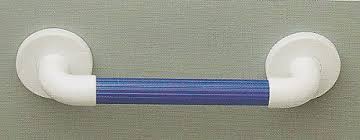
grab rail

While many seniors prefer to live in their homes for as long as possible, most homes are not designed for maximum safety. As people age, their balance, stability and muscle strength tend to wane. This diminishing vitality, coupled with a concomitant decrease in visual acuity, is the cause of many home accidents. Indeed, falls are the number one cause of injury among seniors, responsible for almost three million emergency room visits and more than 25,000 deaths in Canada and the U.S., annually.

One type of home modification that can help make the home safer is a handrail system. There are three major reasons to install handrails:
• To support walking
• To support overall mobility
• To prevent falls

It is important to understand that railings and banisters are not handrails and should not be confused with them. Railings and banisters may provide some support, but they are generally not strong enough to prevent a fall should a person grab onto it in extremis. A true handrail must withstand at least 500 pounds of force.

In addition, according to the Americans with Disabilities Act, a handrail needs to be:
• 1¼” – 2″ in diameter
• Round (or equivalent)
• 1½” minimum from the wall
• At least 1½” above any horizontal protrusion
• Continuous on and between stairs, ramps, landings and horizontal extensions at the tops and bottoms of slopes

Handrails can be installed in many different areas of a house. For example, a handrail can be installed on the wall above the bath tub; in a shower or just outside it; next to a sink or toilet; alongside a bed; on a staircase; in a kitchen or work space, or anywhere else where a senior or anyone else who is mobility challenged, requires or desires one. Usually, they are made of metal, such as aluminum, but they can also be made of wood or heavy plastic.

More important than the actual handrail material is the strength of the bracket that attaches it to the wall.Therefore, it is highly advisable that handrail systems be installed by professionals using the appropriate fasteners and fixtures. Do-it-yourself installations may also be available, but instructions must be followed carefully when putting them up. Also, there may be cases where handrails would impede movement or create risks for the elderly if they are installed in an inappropriate location.

At Pacific Mobility, we can assist you in planning the best and most appropriate type of handrail system for your home. Our experienced staff can also install your handrails, providing you the best in safety and reliability.

Jeff Conner
Jeff Conner

President, Husband, Father, Grandfather Graduate of UC Davis- Bio Sci Major- Go Aggies! Jeff has extensive experience in all of Pacific Mobility’s products and services, and specializes in accessibility products as well as stairlifts, ceiling lifts and custom wheel chairs. His hobbies include spending time with family, gardening, mountain biking, exercising and off road motorcycle riding.

24 years as Owner/President of Pacific Mobility Center – selling, installing, and servicing stairlifts, porch lifts, ceiling lifts, pool lifts, handicap ramping, specialty wheelchairs, scooters, power wheel chairs, and other power mobility devices
Certified Environmental Access Consultant since 2008
Licensed General Contractor since 1998
Certified Aging in Place Specialist since 2016
Board Member for Home Access Professionals
Member of Association of Members of the Accessibility Equipment Industry (AEMA)

www.linkedin.com/in/jeff-conner-14085616/

Filed Under: Blog Posts, Product Information Tagged With: bathroom, crutches, disability, grab rails, mobility, mobility challenged, safety, senior citizens

Staying in the Home You Love vs. Moving to Assisted Living

September 18, 2015 By Jeff Conner

sb2-1-150x150

Most seniors, if given the choice, would choose to remain in their own home for as long as possible rather than move to an assisted living facility. In fact, one study puts the number as high as 90 percent. This is not a mystery. For most of us – seniors included – home is where we’re comfortable; where it’s safe and familiar. We get to sleep in our own bed, eat what and when we like, and have a certain amount of privacy.

By and large, an elderly person who remains at home has a greater measure of independence than a contemporary who lives in an assisted living situation and giving up one’s independence can be difficult. In fact, for some seniors, transitioning to an assisted living community can be psychologically devastating, as it portends the end of one of life’s chapters, and the beginning of an unknown experience out of one’s comfort zone.

However, some seniors who do choose to remain at home may experience social isolation and poor nutrition which can contribute to cognitive decline, health problems, depression, and a diminished quality of life – especially if some of the activities of daily living (ADLs), like dressing, bathing, cooking, cleaning, going up and down stairs, etc. become too difficult. These seniors must come to terms with the situation that is facing them. Either they can stay in the home they love, or they can make the move to assisted living.

Luckily, today, more and more seniors have the option of “aging in place,” as long as they are willing to make certain modifications in the way they live and to the houses in which they live.

For example, even if one is not completely healthy, with home-healthcare, seniors can have their medical needs attended to most satisfactorily without having to leave home. In fact, one study found that those seniors who received in-home care visited the doctor 25 percent fewer times than those that didn’t receive in-home care. Clients with Alzheimer’s or other dementia diseases made almost 50 percent less trips to the doctor. In addition, other in-home services such as housecleaning, non-medical care, shopping, transportation, and food services can help offset the need for an elderly individual to have to struggle with common, everyday chores.

Making the home more “senior-safe” is another tactic that will allow an elderly individual to remain longer in the home he or she loves. Some general home alterations include the widening of doorways, and the installation of grab bars in the bathroom and/or shower, bed rails, and some type of stairlift in homes that contain more than one story. For seniors restricted to a wheel chair, an outdoor ramp or porch lift can enable them go in and out safely and at will. In addition, home monitoring equipment can let family members keep an eye on an aged loved one from a distance.

None of this should suggest that a transfer to assisted living can’t be a viable option for some seniors. There are certainly some advantages for the elderly individual whose needs – both medical and mundane – can be attended to in a professionally operated assisted living facility staffed by competent and caring people. However, for those seniors who wish to stay at home, and know the necessary modifications that are available, aging in place is certainly easier to accomplish now than ever before.

At Pacific Mobility, we are the aging in place experts. Our staff has the knowledge and experience to help you design and implement your home modifications so that you can continue to remain in the home you love for as long as possible. Call us today for a free consultation.

Jeff Conner
Jeff Conner

President, Husband, Father, Grandfather Graduate of UC Davis- Bio Sci Major- Go Aggies! Jeff has extensive experience in all of Pacific Mobility’s products and services, and specializes in accessibility products as well as stairlifts, ceiling lifts and custom wheel chairs. His hobbies include spending time with family, gardening, mountain biking, exercising and off road motorcycle riding.

24 years as Owner/President of Pacific Mobility Center – selling, installing, and servicing stairlifts, porch lifts, ceiling lifts, pool lifts, handicap ramping, specialty wheelchairs, scooters, power wheel chairs, and other power mobility devices
Certified Environmental Access Consultant since 2008
Licensed General Contractor since 1998
Certified Aging in Place Specialist since 2016
Board Member for Home Access Professionals
Member of Association of Members of the Accessibility Equipment Industry (AEMA)

www.linkedin.com/in/jeff-conner-14085616/

Filed Under: Blog Posts, Product Information Tagged With: bathroom, disability, grab bars, grab rails, mobility, mobility challenged, safety, senior citizens

Patient Lifts

August 28, 2015 By Jeff Conner

patient lift

A patient lift is an assistive device that allows patients in hospitals, nursing homes, or those receiving home health care, who cannot lift themselves, or are otherwise mobility challenged, to be transferred between a bed, a chair, a wheelchair, or a commode. Patient lifts help ensure the safety of both the patient and his or her caregiver.

There are several different types of patient lifts available, including sit-to-stand lifts, which are often on the floor, and sling lifts which can either be floor-based or attached to a ceiling or an overhead track.

The sit-to-stand lift is designed to help patients who have some mobility, but lack the strength to rise to a standing position from a bed, wheelchair, chair, or commode, yet do have the strength both to sit up and to physically support their weight while standing. They are designed to transfer a patient between two seating surfaces. They employ straps, vests, or belts that usually fit under a patient’s arms and utilize hydraulic power to operate, much like a floor-based automobile jack. Sit-to-stand lifts fix a patient’s legs in position while the lift mechanism gradually moves his or her body into a standing position, and then reverses the process when the patient needs to be seated.

The sling lift, sometimes known as a Hoyer Lift, is used to lift a patient entirely off a bed, chair, wheelchair, or commode. It is used for patients who have either no mobility at all or enough strength to support themselves while standing. The use of a sling lift involves placing a piece of fabric that is attached to a series of hooks or clips, under the patient. The sling must be strong enough to hold the weight of the patient while he or she is suspended in air. Patients who cannot withstand being bent or compressed can be lifted via stretcher sling lifts which are used for supine transfer.

Sling lifts that are permanently installed on the ceiling of a room are called ceiling lifts. Ceiling lifts use the same sling technology as floor sling lifts, with the additional possibility of having a track system attached to the ceiling for the horizontal movement of a patient within his or her room, or into an adjoining room or bathroom. They also free up the floor space that is necessary for a floor lift. Ceiling lifts generally utilize an electric motor to operate their lift mechanism. Sling lifts also come in modular, free-standing styles with overhead track systems similar to those of ceiling lifts. They are less expensive than installed ceiling lifts, and can be moved from room to room as required.

The pressure fit lift is a type of sling lift that provides the function of a typical ceiling lift, without the need for a permanent installation. The overhead track, to which the sling is attached, is mounted between two poles that extend from the floor to the ceiling. This type of lift is ideal for rental situations or wherever a ceiling lift or permanent track installation is not possible or too difficult to mount, safely.

https://www.youtube.com/watch?v=wkKADjwPUKA

Jeff Conner
Jeff Conner

President, Husband, Father, Grandfather Graduate of UC Davis- Bio Sci Major- Go Aggies! Jeff has extensive experience in all of Pacific Mobility’s products and services, and specializes in accessibility products as well as stairlifts, ceiling lifts and custom wheel chairs. His hobbies include spending time with family, gardening, mountain biking, exercising and off road motorcycle riding.

24 years as Owner/President of Pacific Mobility Center – selling, installing, and servicing stairlifts, porch lifts, ceiling lifts, pool lifts, handicap ramping, specialty wheelchairs, scooters, power wheel chairs, and other power mobility devices
Certified Environmental Access Consultant since 2008
Licensed General Contractor since 1998
Certified Aging in Place Specialist since 2016
Board Member for Home Access Professionals
Member of Association of Members of the Accessibility Equipment Industry (AEMA)

www.linkedin.com/in/jeff-conner-14085616/

Filed Under: Blog Posts Tagged With: bathroom, disability, mobility, mobility assistive equipment, mobility assitance, patient lift

  • « Go to Previous Page
  • Page 1
  • Page 2
  • Page 3
  • Go to Next Page »

Footer

San Diego County Showroom

1355 Grand Ave Suite 102
San Marcos, CA 92078
Toll Free: 866-786-2966
Local: 760-471-8884

Riverside County Lift Sales

Pacific Mobility Center of Temecula
Toll Free: 866-786-2966
Local: 951-383-6845

Orange County Lift Sales

Pacific Mobility Center of Huntington Beach
Toll Free: 866-786-2966
Local: 714-907-4005

Office Hours

Monday-Thursday: 9:00am-5:00pm (closed 12:00-1:15 for lunch)

Friday: 8:30am-4:30pm (closed 12:00-1:15 for lunch)

Find Us on Social Media

Facebook Yelp BBB Angies List Twitter LinkedIn

Showroom Location


View Larger Map

  • Home
  • Coupons
  • Quote Request
  • About Us
  • Products
  • Careers
  • Blog
  • Gallery
  • FAQ
  • Contact
  • Service Area
  • Privacy Policy
  • Terms of Service
  • Disclaimer
  • Cookie Policy
  • Proposition 65 Warnings

Copyright © 2026 Pacific Mobility, All Rights Reserved.


Website by A Servant's Heart Web Design and Marketing

Schedule an Appointment

How can we help you?