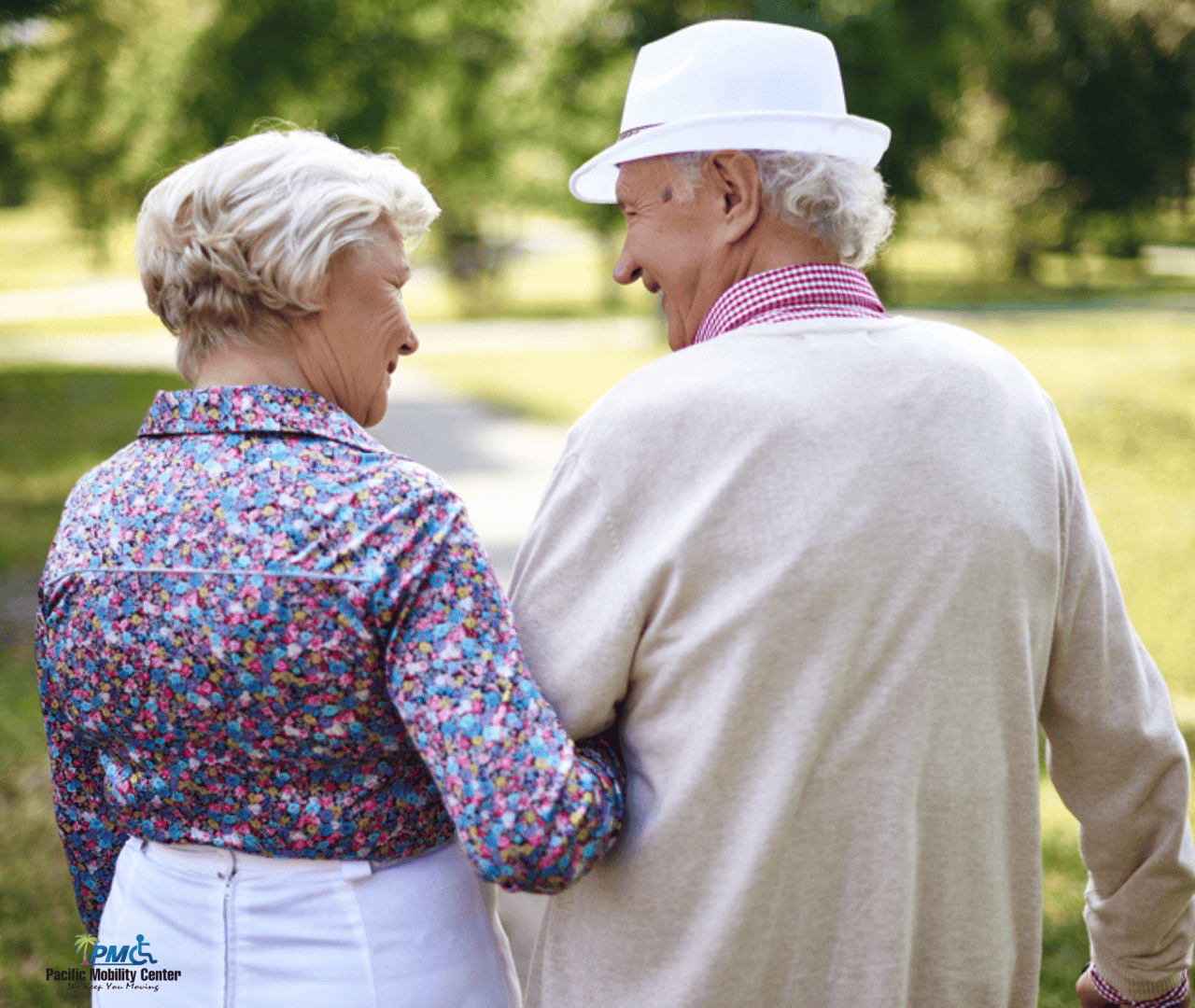
March is a month of transition. Winter’s chill begins to fade, the days stretch a little longer, and the first signs of spring appear. For seniors, this shift often brings a mix of emotions. On one hand, there is hope—hope for renewed energy, brighter days, and the chance to move more freely. On the other hand, there is hesitation, a quiet awareness of the risks that come with increased activity after months of caution.
This blend of hope and hesitation is natural. It reflects both the desire to embrace life and the wisdom of experience. Let’s explore why seniors feel this way and how March becomes a turning point in their relationship with movement.
The Promise of Renewal
March carries the promise of renewal. Seniors often feel inspired by the changing season, sensing that their bodies, like nature, are ready to awaken. The longer days encourage outdoor walks, gardening, or simply sitting in the sun. The air feels lighter, and with it comes a sense of possibility.
This hope is powerful. It reminds seniors that their bodies are still capable of joy and activity. The season itself seems to whisper encouragement, urging them to step outside and rediscover the pleasures of movement.
The Lingering Memory of Winter
Yet, hesitation lingers. Winter leaves behind memories of icy sidewalks, slippery steps, and the need for caution. Seniors may still carry the fear of falling or the discomfort of stiff joints from the cold. Even as the weather improves, these memories influence their choices.
The body remembers too. Muscles that were less active during winter may feel weaker. Balance may need rebuilding. Seniors often hesitate because they know that rushing into activity without preparation can lead to accidents.
Balancing Enthusiasm With Caution
March becomes a balancing act between enthusiasm and caution. Seniors want to move more, but they also want to stay safe. This balance is not always easy. The excitement of spring can lead to overexertion, while too much hesitation can limit the benefits of activity.
- Seniors may feel eager to join community walks but worry about uneven paths.
- Gardening may bring joy but also strain muscles unused to bending and lifting.
- Longer days encourage activity, yet fatigue can set in quickly after months of slower routines.
Finding this balance is part of the journey. It requires listening to the body and respecting its limits while still embracing the hope that spring brings.
Emotional Confidence and Physical Readiness
Hope and hesitation are not just physical—they are emotional too. Seniors often feel more confident when they trust their environment and routines. A clutter-free home, supportive footwear, and well-lit spaces all contribute to emotional reassurance.
When seniors feel emotionally stable, they are more likely to move with confidence. Hesitation often arises when emotional stability is shaken, whether by fear of falling or uncertainty about health. Emotional and physical readiness go hand in hand, shaping how seniors approach activity in March.
The Role of Social Connection
Social connection plays a big role in how seniors navigate this season. Hope grows when they share walks with friends, attend community events, or spend time with family. Companionship encourages movement and reduces hesitation.
At the same time, hesitation may appear when seniors feel isolated. Without encouragement, they may doubt their ability to move safely. Social support provides both motivation and reassurance, helping seniors embrace activity with confidence.
Small Adjustments That Make a Big Difference
The transition from winter caution to spring confidence can be supported by small adjustments at home and in daily routines.
- Clear pathways indoors to reduce tripping hazards.
- Use supportive shoes with good grip for both indoor and outdoor activity.
- Add nightlights or brighter bulbs to ease movement during early mornings or evenings.
- Break activities into smaller steps to avoid fatigue.
These adjustments help seniors feel safer, reducing hesitation and allowing hope to flourish.
Nature as a Gentle Guide
Nature itself becomes a guide in March. Seniors often find comfort in the rhythms of the season. The sight of blooming flowers, the sound of birds returning, and the feel of fresh air remind them that renewal is possible.
This connection to nature encourages gentle movement. A short walk in the garden or a few minutes sitting outdoors can rebuild trust in the body. Nature offers reassurance that progress does not have to be rushed—it can unfold gradually, like spring itself.
A Metaphor: March as a Bridge
Think of March as a bridge. On one side lies winter, with its caution and limitations. On the other side lies spring, with its confidence and renewal. Seniors crossing this bridge feel both hope and hesitation. The bridge may sway, but with careful steps, it leads to new possibilities.
This metaphor captures the essence of March. It is not about choosing between hope and hesitation but about carrying both across the bridge, allowing them to guide safe and joyful movement.
Final Thoughts
Seniors feel both hope and hesitation about moving more in March because the season embodies transition. Hope comes from the promise of renewal, while hesitation arises from the memory of winter’s risks. Together, these emotions create a balanced perspective, reminding seniors to embrace activity with both enthusiasm and care.
By making small adjustments, nurturing emotional stability, and leaning on social connection, seniors can move confidently into spring. March becomes not just a month of change but a season of possibility, where hope and hesitation walk side by side toward a brighter, more active future.