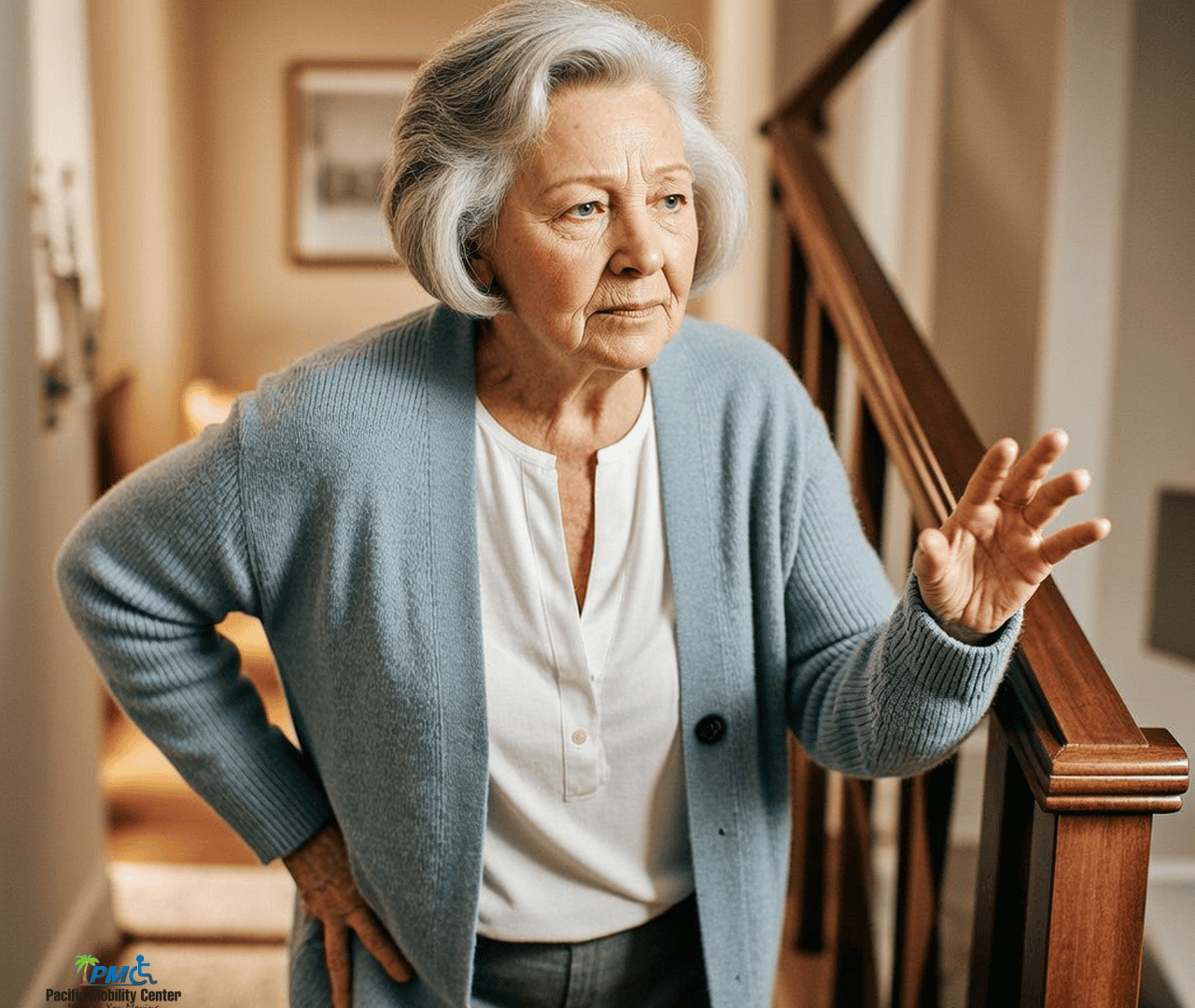
As people age, physical ability is only one part of staying activethe other, often overlooked factor, is confidence. Many seniors experience a decline in their confidence to move freely, even before significant physical limitations set in. This loss of confidence can lead to reduced activity, increased dependence, and a higher risk of health complications. Understanding why this happensand how to rebuild that confidenceis essential for promoting healthy, independent aging.
Why Do Seniors Lose Confidence in Movement?
Loss of confidence in movement doesn’t happen overnight. It is usually the result of a combination of physical, emotional, and environmental factors.
1. Fear of Falling
One of the most common reasons seniors lose confidence is the fear of falling. Even a minor fall or witnessing someone else fall can create lasting anxiety. This fear can make seniors overly cautious, causing them to limit their movements unnecessarily.
2. Previous Injuries or Health Conditions
Experiencing injuries such as fractures, joint pain, or surgeries can make movement feel risky. Chronic conditions like arthritis or muscle weakness can also contribute to discomfort, making seniors hesitant to stay active.
3. Declining Strength and Balance
Natural age-related changes, such as reduced muscle mass and slower reflexes, can make everyday activities feel more challenging. When movements become harder, confidence often decreases alongside physical ability.
4. Reduced Activity Levels
Ironically, the less seniors move, the less confident they feel. A sedentary lifestyle leads to muscle weakness and stiffness, which further limits mobility and reinforces the belief that movement is difficult or unsafe.
5. Environmental Barriers
Cluttered living spaces, poor lighting, or lack of supportive features like handrails can make movement feel unsafe. When the environment doesn’t support mobility, confidence naturally declines.
6. Emotional and Psychological Factors
Feelings of anxiety, isolation, or depression can also affect a senior’s willingness to stay active. A lack of motivation or fear of embarrassment in public settings may discourage movement.
The Impact of Lost Confidence
When seniors lose confidence in movement, it can create a cycle of inactivity. They may begin avoiding simple tasks like walking outside, climbing stairs, or even standing for extended periods. Over time, this leads to further physical decline, increased dependency, and a reduced quality of life.
Loss of confidence doesn’t just affect physical healthit also impacts emotional well-being. Seniors may feel frustrated, isolated, or disconnected from their usual activities and social circles.
How Can Confidence Be Rebuilt?
The good news is that confidence in movement can be rebuilt with the right approach, patience, and support.
1. Start Small and Build Gradually
Encouraging small, manageable movements is the first step. Simple activities like short walks, gentle stretching, or standing exercises can help seniors regain trust in their bodies. Gradual progress is keysmall successes build confidence over time.
2. Focus on Strength and Balance Training
Exercises that improve strength and balance are especially effective in restoring confidence. Activities such as chair exercises, light resistance training, or balance drills can enhance stability and reduce the risk of falls.
3. Create a Safe Environment
Making the home safer can significantly boost confidence. Ensure good lighting, remove tripping hazards, install grab bars, and use non-slip mats. A secure environment reassures seniors that they can move safely.
4. Encourage the Use of Assistive Devices
Canes, walkers, or supportive footwear can provide stability and reduce fear. While some seniors may resist using them, framing these tools as aids for independence rather than limitations can make a big difference.
5. Provide Emotional Support and Encouragement
Positive reinforcement from family members and caregivers is essential. Celebrate small achievements and avoid criticism. Encouragement helps seniors feel supported and motivated to keep trying.
6. Consider Professional Guidance
Physical therapists or trained professionals can design personalized programs tailored to individual needs. They can also teach proper techniques to improve movement safely and effectively.
7. Promote Social Engagement
Group activities, such as community exercise classes or walking groups, can make movement more enjoyable. Social interaction reduces anxiety and helps seniors feel more comfortable being active.
8. Address Underlying Health Issues
Managing pain, reviewing medications, and treating underlying conditions can remove barriers to movement. When seniors feel physically better, their confidence naturally improves.
Building Confidence Takes Time
Rebuilding confidence is not an instant process. It requires consistency, patience, and a supportive environment. Progress may be slow, but every step forward matters. The goal is not perfection but improvementhelping seniors feel safe, capable, and in control of their movements.
Final Thoughts
Confidence in movement is just as important as physical ability when it comes to healthy aging. When seniors believe in their ability to move safely, they are more likely to stay active, independent, and engaged in life.
By understanding the reasons behind declining confidence and taking proactive steps to address them, families and caregivers can make a meaningful difference. With the right support, seniors can regain not only their mobility but also their sense of freedom and self-assurance.
Legal Disclaimer: This post is strictly for educational use and should not be construed as professional advice (medical, legal, financial, or otherwise).