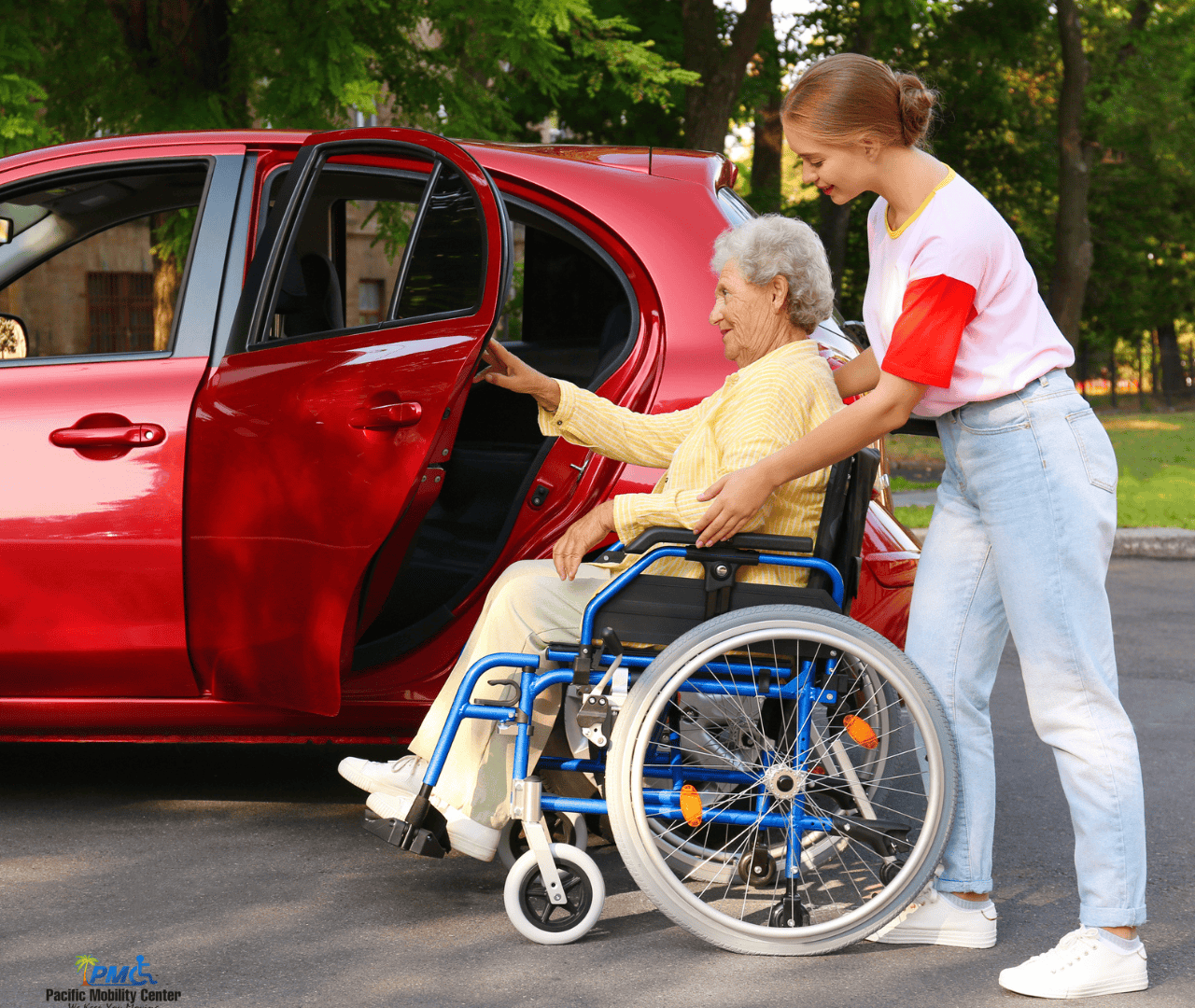
Occupational Therapy Month is a perfect time to highlight the importance of home safety modifications for seniors. As we age, maintaining independence at home becomes a priority, but daily tasks can be challenging due to changes in mobility, balance, and cognitive function. Home safety modifications are more than just structural changes. They are tools that allow seniors to live confidently, safely, and independently. From the perspective of a successful home care service owner, these changes are critical to both safety and quality of life.
Conduct a Comprehensive Home Safety Assessment
The first step is understanding the unique needs of each senior. A home care service owner with years of experience stresses that one size does not fit all. Every home has different hazards, and every senior has different strengths and limitations.
Step by step approach
- Walk through each room with the senior to identify potential risks.
- Evaluate mobility challenges such as walking, climbing stairs, or reaching items.
- Assess lighting, flooring, and accessibility in high traffic areas.
- Identify tasks that cause fatigue or require support.
- Prioritize modifications that directly reduce risk of falls or accidents.
- Create a safety plan that is realistic and tailored to the senior’s lifestyle.
A detailed assessment ensures that modifications address actual needs rather than assumptions.
Improve Mobility and Reduce Fall Hazards
Falls are the leading cause of injury among older adults. Mobility improvements and fall prevention measures allow seniors to navigate their homes confidently.
Step by step modification tips
- Install grab bars near toilets, showers, and staircases.
- Add handrails to both sides of stairs.
- Replace loose rugs with nonslip mats.
- Ensure flooring is even and free from obstacles.
- Remove clutter and create wide, clear pathways.
- Provide mobility aids such as walkers or canes where needed.
These changes reduce the risk of injury while empowering seniors to move independently.
Enhance Lighting and Visibility
Lighting plays a crucial role in senior safety. Poor lighting can lead to trips and falls. Proper illumination supports both visual clarity and confidence.
Step by step lighting improvements
- Add bright, even lighting in hallways, kitchens, and bathrooms.
- Use motion sensor lights in frequently used areas.
- Replace dim bulbs with higher lumen options where needed.
- Use night lights to illuminate bedrooms and bathrooms at night.
- Ensure outdoor walkways and entrances are well lit.
- Adjust lighting to reduce glare and harsh shadows.
Better visibility allows seniors to perform daily tasks without fear of tripping or missing obstacles.
Organize Living Spaces for Accessibility
A cluttered or poorly organized home increases stress and risk of injury. Proper organization helps seniors access what they need safely.
Step by step organization tips
- Place commonly used items at waist or shoulder height to avoid bending or stretching.
- Store heavy objects close to the floor or at an accessible level.
- Keep frequently used tools and supplies in easy to reach containers.
- Label drawers and cabinets to reduce confusion.
- Create designated spaces for shoes, bags, and personal items.
- Review organization regularly as needs or abilities change.
Organized spaces encourage independence and reduce reliance on caregivers for simple tasks.
Support Daily Living Activities
Occupational therapy focuses on helping seniors perform essential daily activities safely. Home modifications can support cooking, bathing, dressing, and other routines.
Step by step activity support tips
- Install shower chairs or benches for safer bathing.
- Use long handled tools to reduce reaching and bending.
- Provide seating areas in kitchens or laundry rooms.
- Introduce adaptive utensils and devices for cooking or eating.
- Ensure dressing areas are accessible with stable seating.
- Monitor how seniors interact with modified areas and adjust as needed.
These adjustments make daily tasks achievable without undue risk or strain.
Encourage Confidence and Independence
Even the best modifications are only effective if seniors feel confident using them. Caregivers play a key role in encouraging safe independence.
Step by step confidence building
- Demonstrate how to safely use modifications and mobility aids.
- Allow seniors to practice independently with supervision.
- Provide positive reinforcement for safe movement and task completion.
- Gradually increase responsibilities and activities as confidence grows.
- Include seniors in decision making about modifications and routines.
- Celebrate milestones to encourage continued independence.
Confidence reinforces independence and improves overall quality of life.
Maintain and Update Modifications
Home safety is an ongoing process. Seniors’ needs may change over time, and modifications should adapt accordingly.
Step by step maintenance tips
- Inspect grab bars, handrails, and mobility aids regularly.
- Check flooring and mats for wear or hazards.
- Update lighting as bulbs burn out or needs change.
- Reassess storage and organization as daily routines evolve.
- Replace or repair equipment as necessary to ensure safety.
- Consult occupational therapy experts periodically for guidance.
Regular maintenance ensures that safety remains consistent as seniors age.
Final ThoughtsDuring Occupational Therapy Month, it is important to recognize that home safety modifications are essential for supporting senior independence. From the perspective of a successful home care service owner, these changes are more than safety measures. They allow seniors to maintain confidence, perform daily tasks independently, and enjoy a higher quality of life. By conducting assessments, improving mobility, enhancing lighting, organizing spaces, supporting daily activities, building confidence, and maintaining modifications, caregivers can create a safe and empowering home environment. Seniors can continue to thrive at home with dignity, safety, and independence.
Legal Disclaimer: This post is strictly for educational use and should not be construed as professional advice (medical, legal, financial, or otherwise).