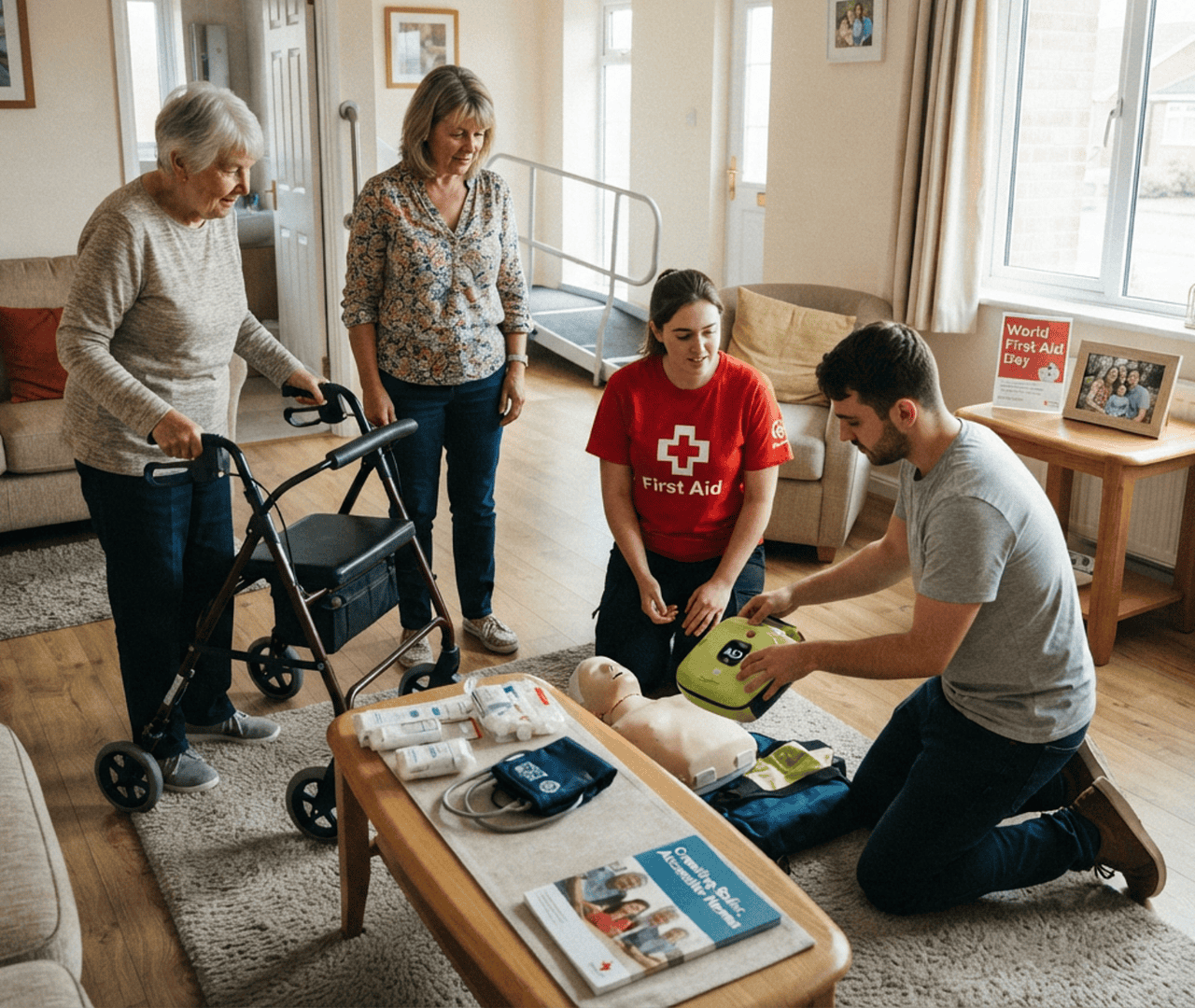
How Can World First Aid Day Inspire Safer Accessible Homes?
World First Aid Day can inspire families to create safer, more accessible homes by encouraging them to think about emergency preparedness, everyday mobility, and practical ways to reduce obstacles. For older adults, an accessible home can make it easier to move between rooms, reach important areas, and receive assistance when needed. Simple improvements such as wheelchair ramps, stairlifts, better lighting, and clear pathways can support a more prepared home environment.
World First Aid Day is observed in September and provides an opportunity for families to review their emergency plans and consider whether their homes are prepared for different mobility needs. Accessibility planning does not have to wait for an emergency. Preparing ahead can help families respond more confidently when unexpected situations occur.
Why Is Accessibility Part of Home Preparedness?
Emergency preparedness often focuses on supplies, emergency contacts, and communication plans. However, families should also consider whether everyone can move safely through the home.
An accessible home can make it easier to:
- Enter and exit the property
- Move between rooms
- Reach emergency supplies
- Communicate with family members
- Assist an older adult
- Follow an emergency plan
The needs of each household are different, so accessibility improvements should be tailored to the people living in the home.
Start With a Home Safety Walkthrough
Families can begin by walking through the home and identifying potential obstacles.
Check:
- Entrances
- Hallways
- Stairways
- Bathrooms
- Bedrooms
- Kitchen areas
- Outdoor pathways
Ask whether someone using a wheelchair, walker, or other mobility equipment could navigate these areas comfortably.
Consider Wheelchair Ramps
Steps at entrances can make it difficult for people using mobility equipment to enter or leave the home.
A properly designed wheelchair ramp can provide an accessible route while also making it easier for caregivers to assist family members.
When considering a ramp, families should review:
- Available space
- Entrance design
- Surface conditions
- Proper slope
- Handrail requirements
- Applicable safety standards
Professional installation can help ensure the ramp is appropriate for the home.
Explore Stairlift Options
Stairs can create challenges for older adults with changing mobility.
A stairlift may provide another way to move between floors for individuals who have difficulty using stairs.
Families should consider:
- Stairway configuration
- User needs
- Available space
- Installation requirements
- Long-term accessibility
A qualified professional can help families determine whether a stairlift is appropriate.
Improve Lighting for Better Visibility
Good lighting can make a significant difference in an accessible home.
Families can review lighting around:
- Stairs
- Hallways
- Bathrooms
- Entrances
- Bedrooms
- Outdoor walkways
Nightlights can also help provide visibility during nighttime movement.
Keep Emergency Pathways Clear
During an emergency, clutter can make movement more difficult.
Families should regularly remove:
- Loose rugs
- Boxes
- Unnecessary furniture
- Electrical cords
- Items blocking doorways
Keeping pathways open can support everyday mobility while also making emergency movement easier.
Make Bathrooms Safer
Bathrooms are important areas to include in an accessibility review.
Possible improvements include:
- Grab bars
- Non-slip surfaces
- Accessible shower features
- Appropriate seating
- Better lighting
- Easy-to-use fixtures
Families should choose modifications based on the individual’s mobility needs and the home’s design.
Organize Emergency Supplies
Emergency supplies should be easy to locate.
A household emergency area may contain appropriate basic supplies such as:
- First aid materials
- Flashlights
- Extra batteries
- Important contact information
- Emergency instructions
Families should regularly check supplies and replace items when necessary.
Keep Important Information Accessible
During an emergency, family members and caregivers may need important information quickly.
Consider maintaining an updated record of:
- Emergency contacts
- Healthcare provider information
- Medication information
- Relevant allergies
- Caregiver contacts
- Home address
This information should be stored securely while remaining accessible to appropriate household members.
Create an Accessible Emergency Plan
An emergency plan should account for the abilities of everyone in the household.
Families can discuss:
- How each person will leave the home
- Where everyone will meet
- Who will assist an older adult
- How caregivers will communicate
- Where emergency supplies are stored
- What alternative routes are available
Practice the plan periodically so everyone understands their role.
Think About Caregiver Mobility
Accessibility is also important for family and professional caregivers.
A home with clear pathways and appropriate mobility solutions can make it easier for caregivers to:
- Assist with daily routines
- Move equipment
- Navigate between rooms
- Support appropriate transfers
- Respond to changing needs
A well-planned environment can benefit everyone using the home.
Prepare Outdoor Areas
Emergency preparation should extend outside the home.
Families can inspect:
- Driveways
- Sidewalks
- Ramps
- Steps
- Garden paths
- Outdoor lighting
Remove leaves, debris, and other obstacles regularly, especially during seasonal changes.
Review Accessibility Regularly
A home that is accessible today may require changes later.
Families should review accessibility when:
- Mobility needs change
- New equipment is introduced
- Furniture is rearranged
- A new caregiver begins providing support
- Seasonal conditions change
Regular reviews help families identify problems before they become urgent.
Final Thoughts
World First Aid Day provides more than an opportunity to learn basic first aid. It can also encourage families to think about how accessibility and home safety work together. Wheelchair ramps, stairlifts, improved lighting, accessible bathrooms, clear pathways, and organized emergency supplies can help create a more prepared home environment. By planning ahead and considering the needs of every household member, families can support safer movement, easier caregiving, and greater confidence during unexpected situations.
Legal Disclaimer: This post is strictly for educational use and should not be construed as professional advice (medical, legal, financial, or otherwise).