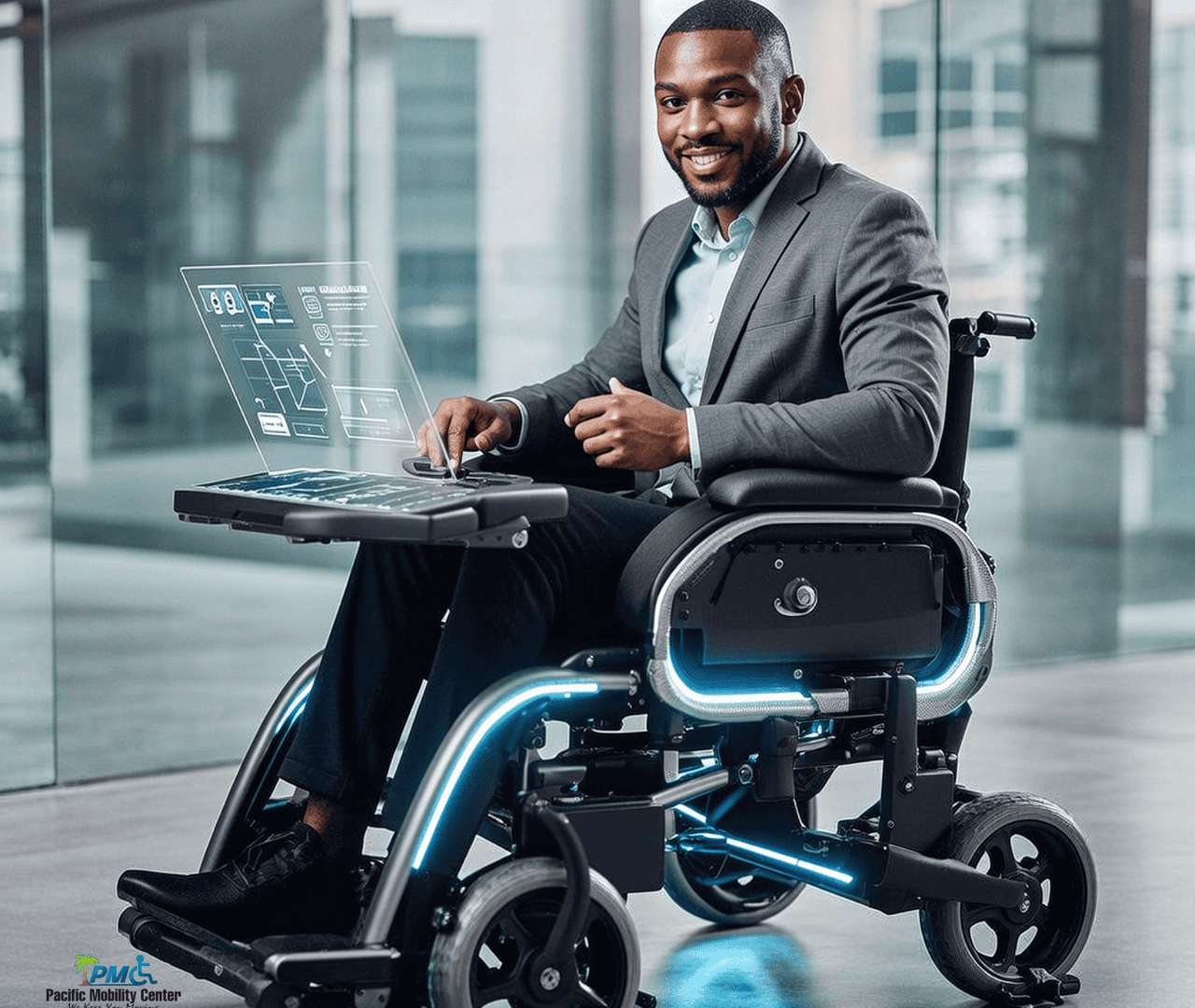
Technology and accessibility work together for better living by removing barriers, simplifying daily tasks, and helping people stay safe, independent, and connected. When tools are designed for real needs, they make everyday life easier for seniors, people with disabilities, and families.
As warmer seasons bring more activity at home and outdoors, safety and ease of movement become more important. Technology, when combined with accessible design, helps manage these seasonal challenges and supports overall well-being.
What does accessibility mean in daily life?
Accessibility means creating spaces and tools that everyone can use comfortably and safely, regardless of age or ability.
This includes:
- Easy-to-use devices
- Clear and simple home layouts
- Safe movement within the home
- Support for vision, hearing, and mobility needs
When technology is built with accessibility in mind, it becomes more useful for everyone.
How does technology improve accessibility?
Modern technology offers practical solutions that support daily living.
Examples include:
- Smart home systems
Control lights, fans, and appliances with voice or simple controls - Voice assistants
Help with reminders, calls, and daily tasks - Automated lighting
Turns on when someone enters a room - Health monitoring devices
Track vital signs and send alerts if needed - Video calling tools
Help families stay connected easily
These tools reduce effort and improve safety.
How can this support seniors and caregivers?
Technology and accessibility together create a more supportive care environment.
Benefits include:
- Safer movement
Sensors and alerts reduce fall risks - Better communication
Easy ways to stay in touch with family and caregivers - Improved independence
Seniors can manage tasks without constant help - Reduced caregiver stress
Automation helps with routine monitoring
This leads to better quality of life for both seniors and caregivers.
What role does home design play?
Technology works best when the home is designed for accessibility.
Helpful design features include:
- Wide doorways for easy movement
- Non-slip flooring
- Proper lighting in all areas
- Easy-to-reach switches and controls
- Clear pathways without clutter
Combining design with technology creates a safer space.
How does this connect to seasonal health and safety?
During warmer months, people may use more electrical devices like fans and air coolers. They may also move more between indoor and outdoor spaces.
Technology can help by:
- Maintaining comfortable indoor temperatures
- Providing reminders to stay hydrated
- Improving lighting during power changes
- Monitoring safety during outdoor movement
This supports both comfort and health.
What are simple ways to get started?
You do not need a full setup to see benefits. Start with small steps.
Try:
- Adding motion-sensor lights in hallways
- Using a voice assistant for reminders
- Installing a video doorbell for security
- Setting up emergency alert systems
These simple upgrades can make a big difference.
Why is a personalized approach important?
Every person has different needs and preferences.
A personalized setup helps:
- Choose the right devices
- Match tools to daily routines
- Improve ease of use
- Avoid unnecessary complexity
This ensures technology is helpful, not confusing.
What mistakes should be avoided?
Avoid these common issues:
- Choosing devices that are too complex
- Ignoring regular maintenance
- Overloading the home with too many tools
- Not training users on how to use devices
Keeping things simple is key.
Final thoughts
Technology and accessibility work best when they focus on real needs and simple solutions. Together, they create safer, more comfortable homes where people can live independently and confidently.
By combining smart tools with thoughtful design, you can build a living space that supports health, safety, and connection every day.
Legal Disclaimer: This post is strictly for educational use and should not be construed as professional advice (medical, legal, financial, or otherwise).
=======================================================
How can better home access improve vision safety during Cataract Awareness Month
How can better home access improve vision safety during Cataract Awareness Month?
Better home access improves vision safety during Cataract Awareness Month by reducing glare, improving lighting, and making movement easier for people with limited vision. Simple changes in layout and design help prevent falls, reduce eye strain, and support safer daily routines.
Cataract can make vision blurry, dull, or sensitive to light. During brighter months, strong sunlight and glare can make it harder to see clearly. Improving home access helps manage these challenges and keeps daily activities safe.
Why does home access matter for vision safety?
When vision is reduced, even small obstacles can become dangerous.
Common risks include:
- Tripping over uneven flooring or clutter
- Difficulty seeing steps or edges
- Glare from bright lights or sunlight
- Trouble identifying objects or pathways
Better access removes these barriers and supports safer movement.
What changes can improve home access?
Simple updates can make a big difference in visibility and safety.
Consider these improvements:
- Improve lighting
Use bright, even lighting in all rooms, especially hallways and stairs - Reduce glare
Add curtains or blinds to control sunlight - Use contrast colors
Highlight edges of steps, switches, and furniture - Keep pathways clear
Remove clutter and secure loose rugs - Install handrails and grab bars
Provide support in key areas like bathrooms and stairs
These changes make it easier to navigate the home.
How can lighting support better vision?
Lighting plays a major role in vision safety.
To improve lighting:
- Use warm, non-glare bulbs
- Add task lighting for reading or cooking
- Place lights at eye level to reduce shadows
- Use night lights in bedrooms and hallways
Good lighting reduces strain and improves clarity.
How do mobility features support vision safety?
Mobility and vision are closely connected. When vision is limited, stable movement becomes more important.
Helpful features include:
- Non-slip flooring for better grip
- Wide and clear walkways
- Ramps instead of steps where possible
- Stable furniture for support
These features reduce the risk of falls.
How can caregivers support vision safety at home?
Caregivers play an important role in maintaining a safe environment.
They can:
- Regularly check lighting and remove hazards
- Help organize items for easy access
- Encourage safe movement and use of support tools
- Monitor changes in vision or behavior
Consistent support improves safety and confidence.
How does seasonal change affect vision safety?
During warmer months, increased sunlight can create glare and shadows.
To manage this:
- Use curtains or tinted windows
- Avoid direct exposure to bright light
- Arrange furniture to reduce reflective surfaces
- Schedule activities during softer daylight hours
These steps help reduce discomfort and improve visibility.
What habits can improve daily safety?
Daily habits also play a role in vision safety.
Encourage:
- Moving slowly and carefully
- Keeping frequently used items in the same place
- Wearing proper eyewear if prescribed
- Taking breaks to reduce eye strain
These habits support safer routines.
Why is a personalized approach important?
Each person experiences vision changes differently.
A personalized plan helps:
- Adjust lighting and layout based on needs
- Choose the right support tools
- Improve comfort and usability
This leads to better results and safer living.
What mistakes should be avoided?
Avoid these common issues:
- Using very bright or harsh lighting
- Leaving clutter in walking areas
- Ignoring early signs of vision difficulty
- Making sudden layout changes
Consistency and awareness are key.
Final thoughts
Better home access plays a vital role in improving vision safety during Cataract Awareness Month. By focusing on lighting, layout, and simple safety features, you can create a home that supports clear vision and safe movement.
These changes not only reduce risks but also improve comfort and confidence in daily life.
Legal Disclaimer: This post is strictly for educational use and should not be construed as professional advice (medical, legal, financial, or otherwise).