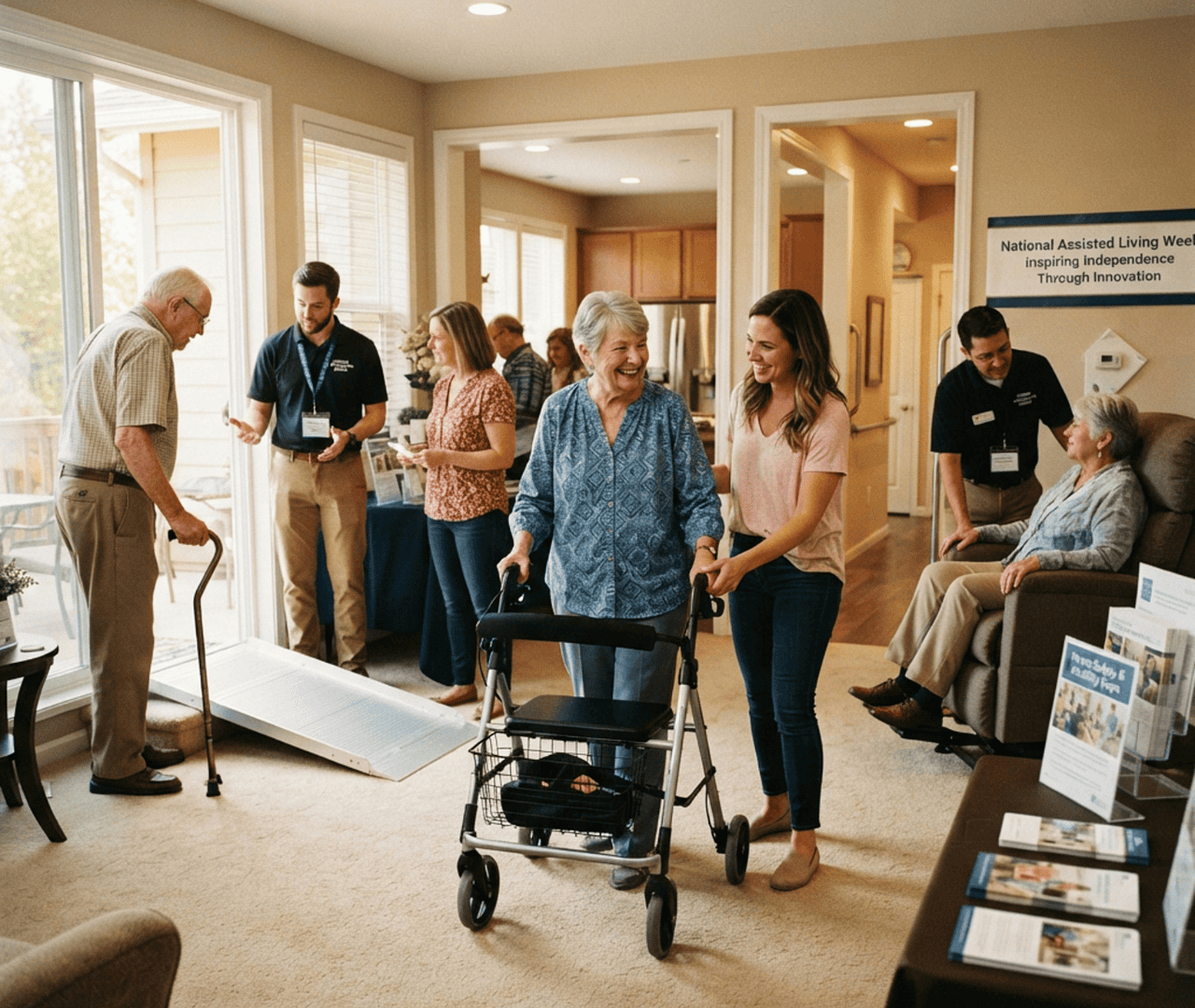
How Can National Assisted Living Week Inspire Better Mobility Solutions at Home?
National Assisted Living Week can inspire families to explore better mobility solutions at home by encouraging them to create spaces that support comfort, accessibility, and independence. While assisted living communities are designed around the needs of older adults, families can…
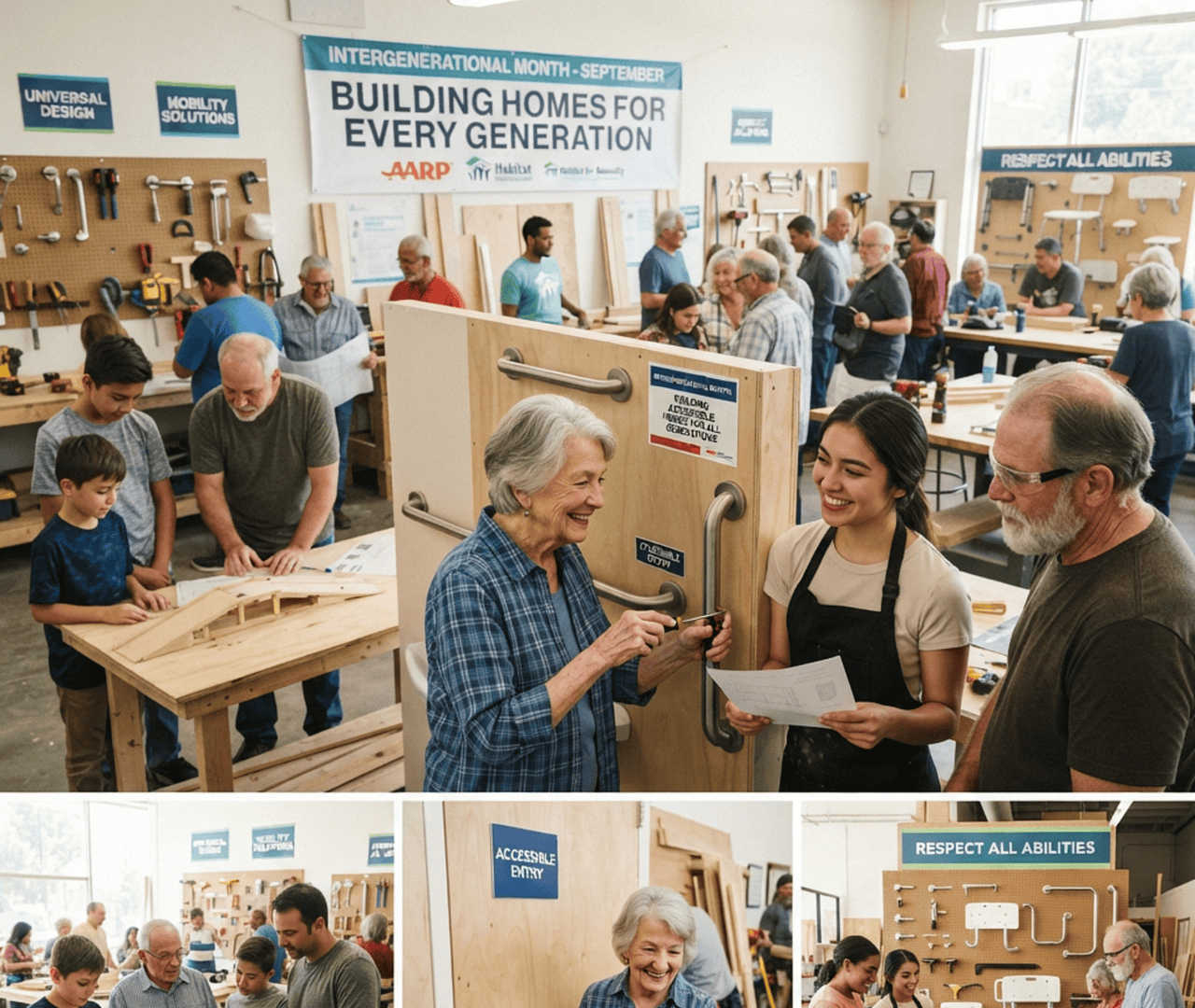
How Can Intergenerational Month Encourage Accessible Homes for Every Generation?
Intergenerational Month can encourage families to create more accessible homes by showing how thoughtful home design can support children, parents, grandparents, and other family members with different mobility needs. Features such as wheelchair ramps, stairlifts, wider pathways, better lighting, and…
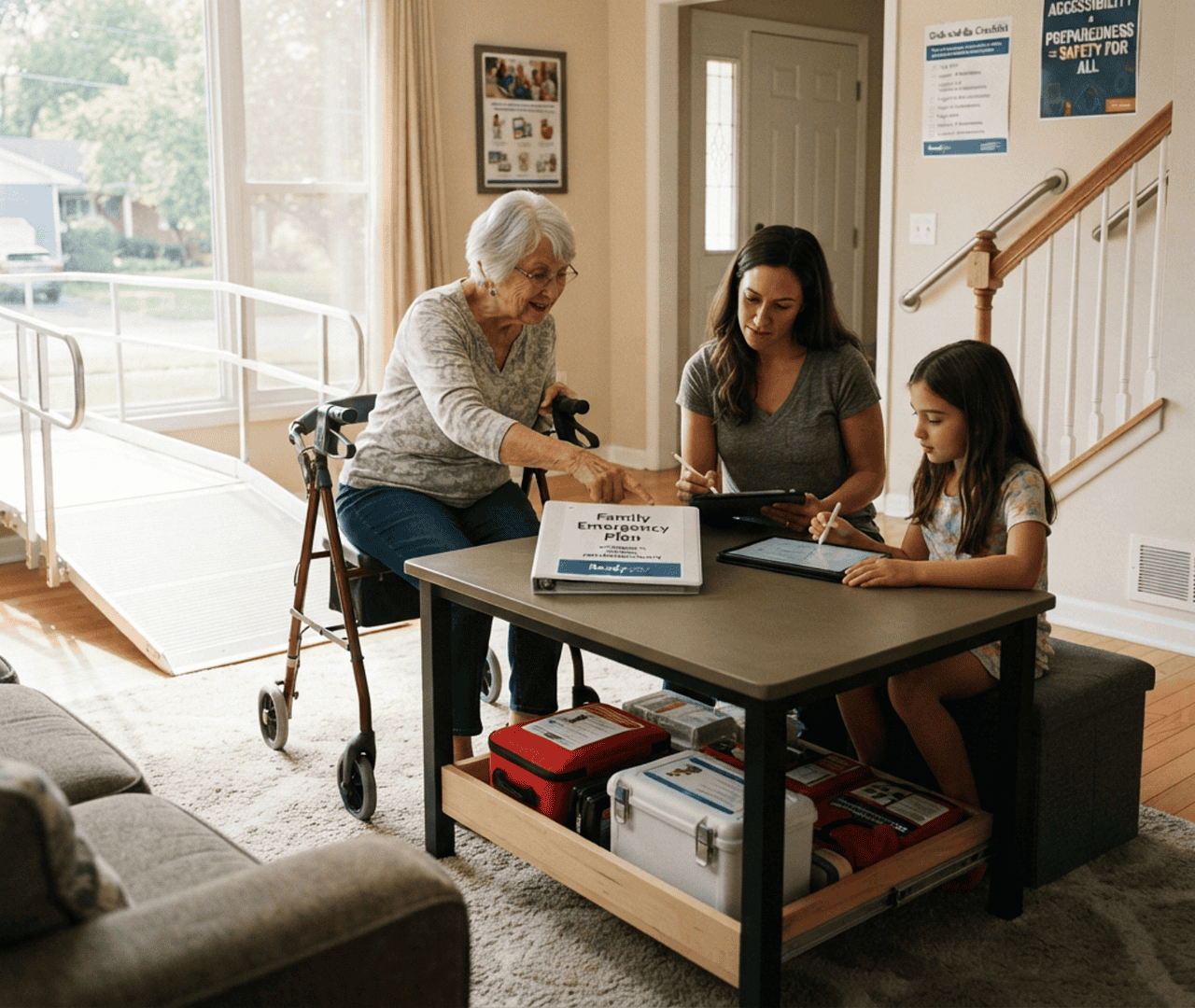
Why Should Families Plan Accessibility Upgrades During National Preparedness Month?
Families should plan accessibility upgrades during National Preparedness Month because a safer and more accessible home can help older adults move around with greater confidence and remain prepared for changing needs. Simple improvements such as wheelchair ramps, stairlifts, grab bars,…
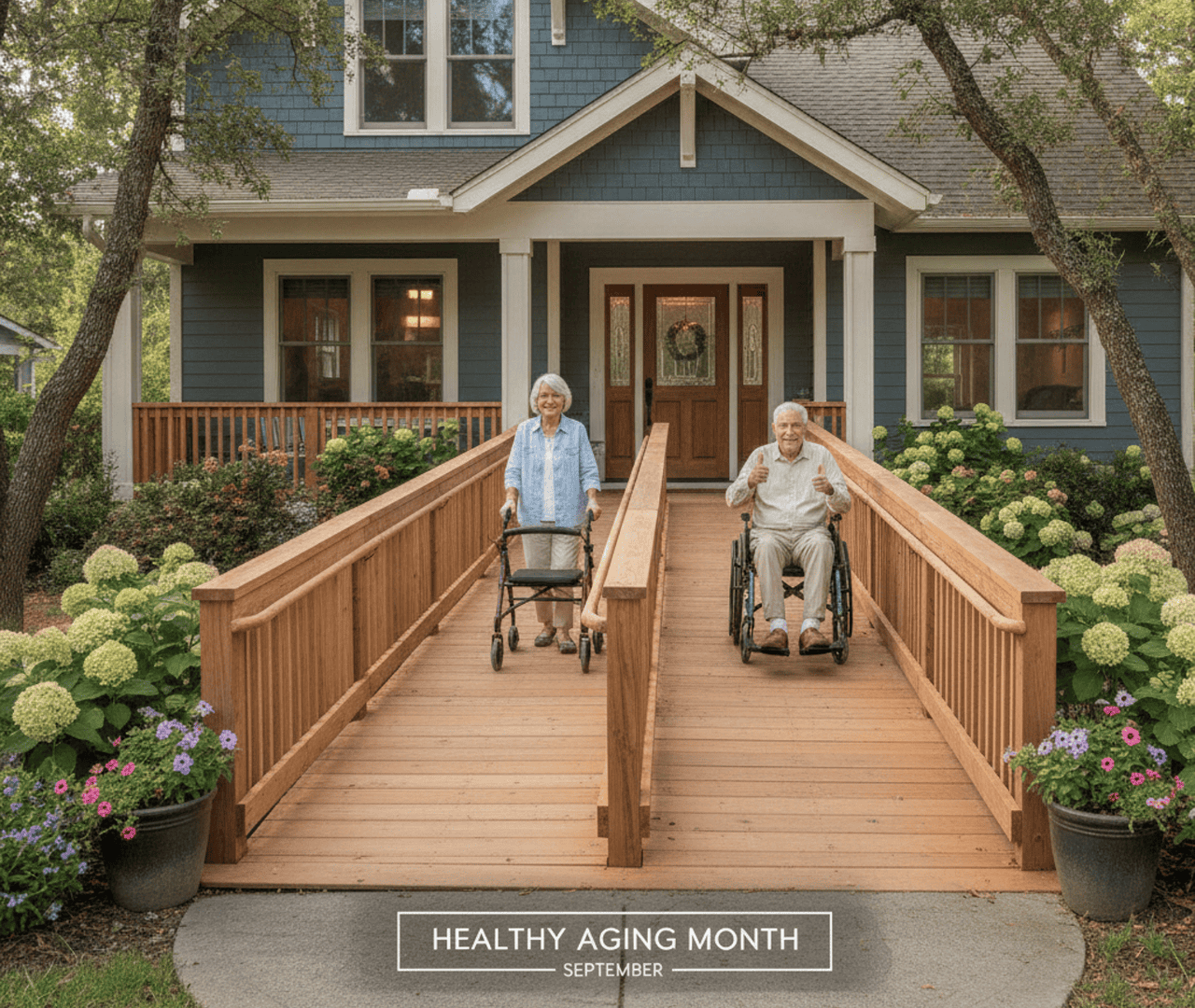
How Can Wheelchair Ramps Support Safe Aging in Place During Healthy Aging Month?
Healthy Aging Month is the perfect time to make home improvements that support safe aging in place, and a wheelchair ramp is one of the most valuable additions a family can make. A properly designed wheelchair ramp provides safer access,…
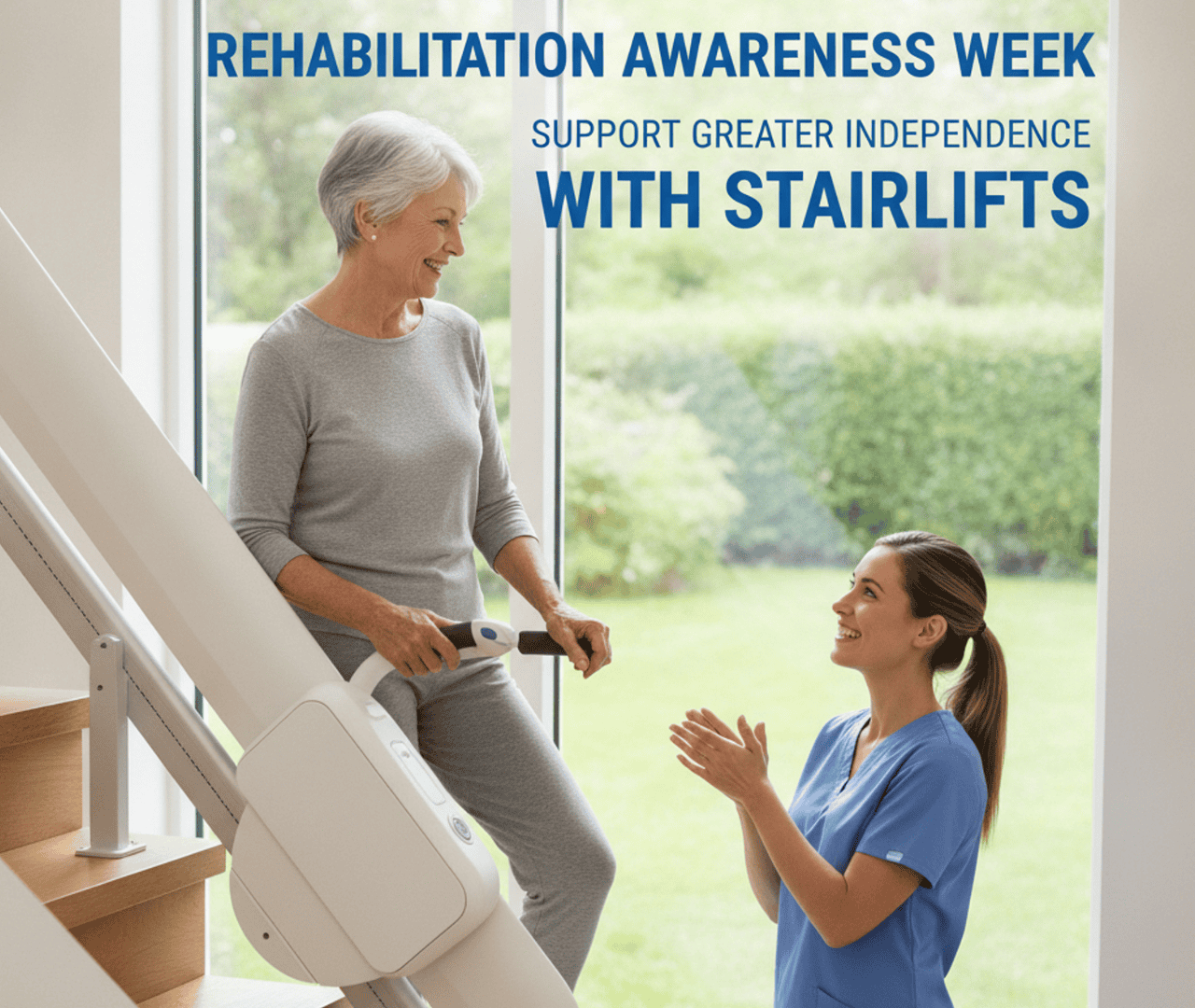
How Can National Rehabilitation Awareness Week Support Greater Independence With Stairlifts?
National Rehabilitation Awareness Week highlights how stairlifts can help individuals maintain greater independence by making it safer and easier to move between floors at home. For people recovering from surgery, managing mobility challenges, or experiencing age-related changes, a stairlift can…
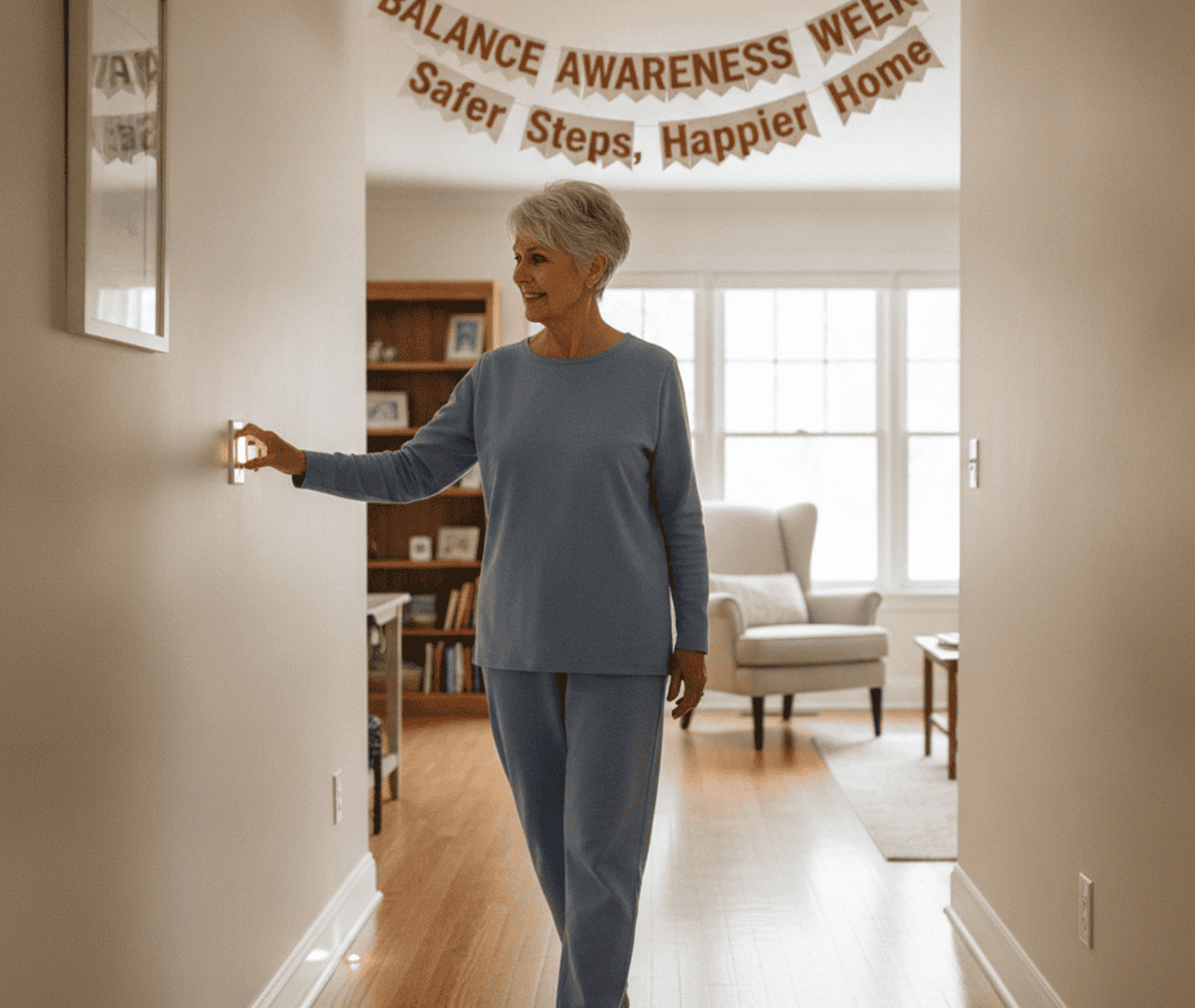
How Can Balance Awareness Week Encourage Safer Mobility at Home?
Balance Awareness Week encourages families to take simple steps that improve stability, reduce fall risks, and support safer mobility at home. By focusing on balance, strength, and home safety, older adults can move with greater confidence and maintain their independence.…
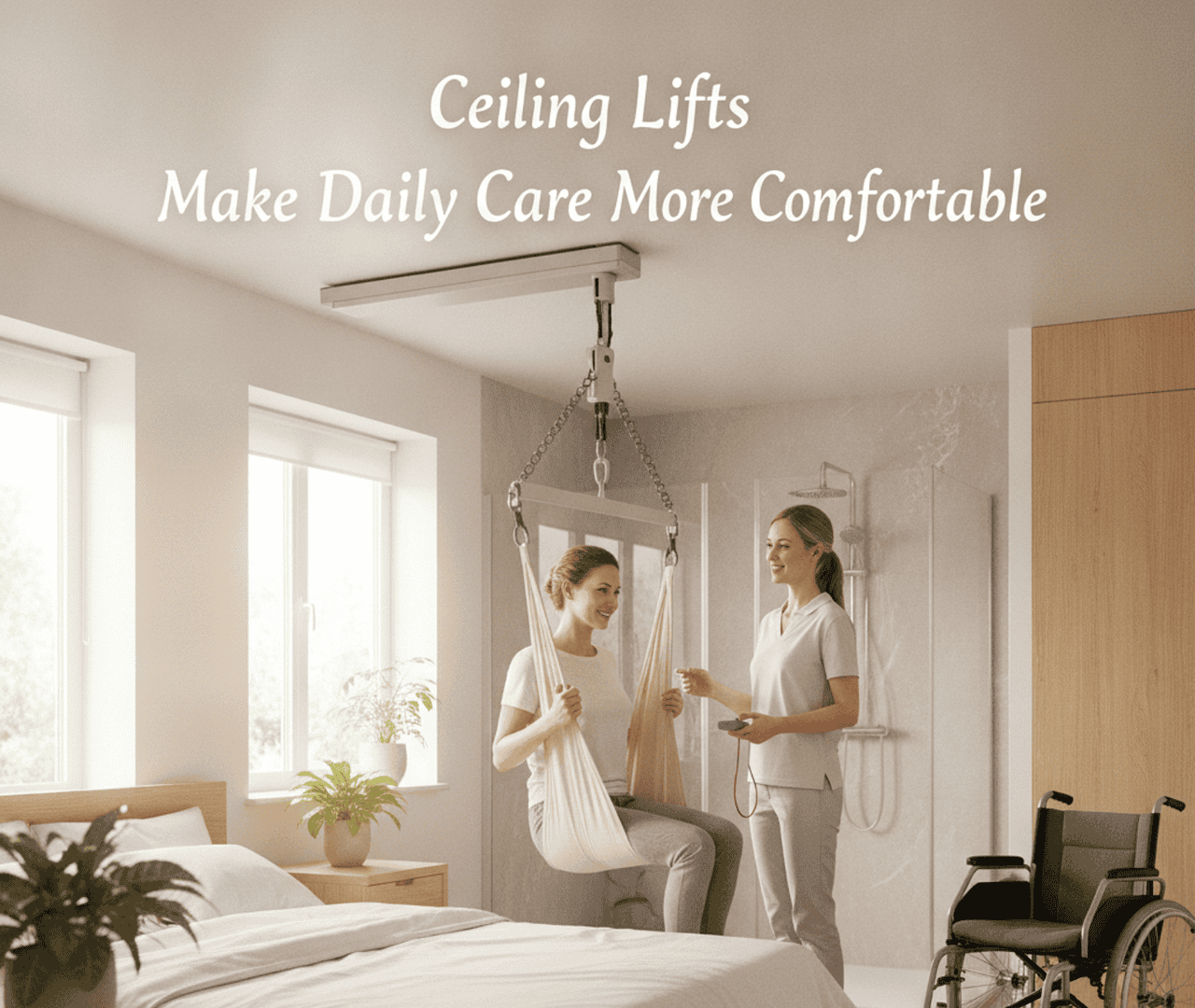
How Can Ceiling Lifts Make Daily Care More Comfortable?
Ceiling lifts make daily care more comfortable by providing safe, smooth, and efficient transfers for individuals with limited mobility while reducing physical strain on caregivers. They help people move between a bed, wheelchair, bathroom, or chair with greater comfort and…

How Can Happiness Happens Month Improve Independence Through Stairlifts and Ceiling Lifts?
Happiness Happens Month highlights how improving home accessibility with stairlifts and ceiling lifts can help individuals maintain independence, confidence, and a better quality of life. These mobility solutions make everyday tasks safer and more comfortable while reducing physical strain for…

Why Should Families Explore Vehicle Lifts During National Family Fun Month for More Accessible Travel?
Families should explore vehicle lifts during National Family Fun Month because they make travel more accessible, convenient, and enjoyable for individuals with mobility challenges. A vehicle lift allows wheelchairs and mobility scooters to be transported safely, making it easier for…