• Skip to main content
  • Skip to footer
  • Pacific Mobility Center Stairlifts and More - We Keep You Moving!
  • We Keep You Moving!
  • Call Us Today!
  • 760-471-8884
  • 866-786-2966

Pacific Mobility Center

Stairlifts - Lifts - Mobility Products

  • Stairlifts
    • Bruno Elan Stairlift
    • Bruno Elite – Curved Rail Stairlifts
    • Bruno Elite – Straight Rail Stairlift
    • Bruno Outdoor Curved Stairlifts
    • Bruno Outdoor Straight Stairlifts
    • Stairlift Rentals
  • Products
  • Gallery
    • Photo Gallery
    • Video Gallery
  • FAQ
  • About
    • About Us
    • Contact
    • Locations
    • Service Area
    • Testimonials
    • Reviews
    • Newsletter Subscription and Archives
  • Coupons
  • Blog

How To's

Using Your Bruno Stairlift Safely

October 3, 2013 By Jeff Conner

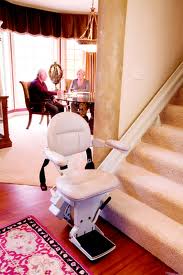
stairlift1Stairlifts are devices that allow a mobility-challenged person to safely ascend or descend the stairs. The user sits in a chair that is attached to a carriage that runs along a track installed on the side of the stairs. The carriage is powered up and down along the run of the stairs through the use of an electric motor. Stairlifts greatly improve the safety and comfort of mobility-challenged persons traversing stairs, allowing them to once again use upper or lower floors of their house that may have been previously inaccessible or difficult to access. While modern stairlifts have a number of safety features designed to make them easier and safer to use, the responsibility of using a stairlift safely still falls on the user. Here are some tips for using your new Bruno stairlift from Pacific Mobility Center safely.

Follow weight restrictions

All stairlifts have weight limits within which they were designed to operate safely. Bruno stairlifts offer a range of weight limits, including some of the highest in the industry, but those limits vary by model, so be sure to consult your manual to determine the weight limits of your particular model. Remember that anything you carry with you, including groceries or other items, count towards the weight restrictions, so be sure to consider the additional weight of those items. When in doubt, make several trips. While making multiple trips may be a hassle sometimes, the inconvenience or even danger of a stairlift failure due to the weight limit being exceeded is much greater. A broken stairlift could be expensive to repair and cause you to lose the use of your stairlift for some time. A trip to the doctor or hospital due to injury could be even more expensive and time-consuming.

Use the safety belt

Bruno stairlifts have a safety belt to prevent falls. Always use this safety belt. It will prevent accidental falls from the stairlift or will minimize your risk of injury should the stairlift fail or in the event of some disaster or emergency. Remember that California is prone to earthquakes, which could throw you from the lift chair if you are not using the belt. Earthquakes or other disasters could strike at any time. The safety belt will only help you if you are wearing it, so wear it each and every time you use the stairlift.

Only allow one rider at a time

Older users with children or grandchildren may be tempted to give them rides on the stairlift. Avoid this practice. Stairlifts are designed to accommodate one rider at a time and the safety equipment and weight restrictions are not designed for additional riders. Additionally, stairlifts are not toys and children should be discouraged from playing with them.

Discontinue use if there are signs of trouble

Bruno stairlifts are designed with safety and reliability in mind and are constructed of quality materials with superior craftsmanship. They are, however, machines, and all machines are susceptible to damage or failure. If your stairlift becomes damaged, or exhibits signs of trouble, discontinue use immediately and contact Pacific Mobility Center immediately to schedule a service call. Signs of trouble include, but are not limited to, strange noises, odd vibrations, jerky or erratic movements of the carriage, or slowed or strained movement of the carriage.

Read your manual

In addition to the tips above, all Bruno stairlifts come with a safety manual detailing proper procedures for the safe usage of the lift. Read these procedures and follow them at all times to ensure your continued safety. Be sure to follow the proper maintenance schedules for your stairlift as detailed in the manual as well. Contact Pacific Mobility Center to schedule regular maintenance of your stairlift.

With correct usage and proper maintenance, your Bruno stairlift will provide you with years of safe, reliable usage. Follow the tips above and the procedures in your manual to ensure you use your stairlift safely and to minimize your chance of injury or failure. If you ever have any questions regarding your stairlift, please contact Pacific Mobility Center immediately so that our factory-trained, knowledgeable staff can assist you in the correct usage of your device. We are always here to help.

Watch this video to see Bruno Stairlifts in action:

Jeff Conner
Jeff Conner

President, Husband, Father, Grandfather Graduate of UC Davis- Bio Sci Major- Go Aggies! Jeff has extensive experience in all of Pacific Mobility’s products and services, and specializes in accessibility products as well as stairlifts, ceiling lifts and custom wheel chairs. His hobbies include spending time with family, gardening, mountain biking, exercising and off road motorcycle riding.

24 years as Owner/President of Pacific Mobility Center – selling, installing, and servicing stairlifts, porch lifts, ceiling lifts, pool lifts, handicap ramping, specialty wheelchairs, scooters, power wheel chairs, and other power mobility devices
Certified Environmental Access Consultant since 2008
Licensed General Contractor since 1998
Certified Aging in Place Specialist since 2016
Board Member for Home Access Professionals
Member of Association of Members of the Accessibility Equipment Industry (AEMA)

www.linkedin.com/in/jeff-conner-14085616/

Filed Under: Blog Posts, How To's, Product Information

Choosing the Right Cane and Using it Correctly

December 28, 2012 By Jeff Conner

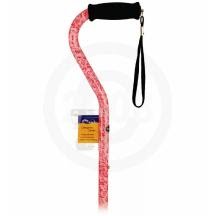
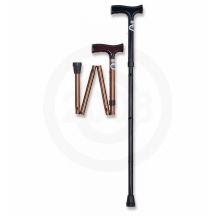
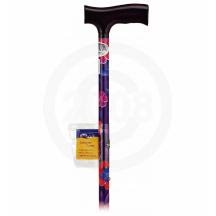
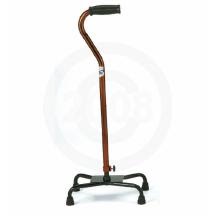
There are many different varieties of canes. They come in many different shapes and styles, are made of different materials, and can range widely in price. While some choices when it comes to cane style are merely a matter of personal preference, some options can affect your health and safety. Knowing how to choose the right cane, and knowing how to use that cane correctly, are very important matters for those who need some mobility assistance. A cane works by widening your base of support and decreasing the amount of weight and stress on the lower joints. The right cane for you, when used correctly, can improve your balance and ease pain in the lower joints while lowering your risk of falling. So how do you know which cane is the right cane, and how do you use it correctly? Some style options when it comes to choosing a cane are solely a matter of personal taste. Color is purely cosmetic. The handle style should be chosen according to the personal comfort of the user. Materials should be chosen according to weight and price, as some materials weigh more than others or are more or less expensive. Some canes also fold, making them easier to carry. These are decisions that make little difference to the health and safety or the user. Some options, however, can have a large impact on the health of the user and the safety of using the cane. The style of the cane and the size of the cane are of tantamount importance when it comes to choosing the correct cane and being able to use it correctly. Canes mostly come in two styles.

Single point canes, as the name implies, have only a single point of contact with the ground.

Multi-point canes have multiple points of contact and usually come in three or four point varieties.


Different users will have different needs when it comes to choosing between these two styles. Single point canes are usually all someone with arthritis needs, but users with neurological impairments tend to put more weight on the cane and thus multi-point canes are recommended for those users.

When being fitted for a cane, wear your normal walking shoes. Stand tall and keep your arms at your sides. This ensures the cane will be sized correctly and will avoid the need for stooping to use a cane that is too short or suffering a lack of support from a cane that is too tall. The curve of a properly fitted cane should reach to the crease of your wrist. Remember, if you are slumping to use the cane, it is too short, and if you are not able to put your weight on it properly it is too tall. Don’t be afraid to keep trying canes until you find one that is sized just right. Once you have found the right cane, it is time to learn to use it correctly. Canes are used on your strong side, not your weak side as most people think, but are moved in time with your weak side. Advance the cane a few inches in front of you in time with your weak side, and let the cane take some of the weight as you move forward slowly. This way the cane shares the load of the weak side, but is handled by the strong side to avoid putting undue stress on your weak side. When climbing stairs with a cane, start with your strong side leg first and then follow with your weak side and cane together. When descending stairs, start with the weak side alone first and then follow with the strong side and cane simultaneously. Just remember, “Up with the good and down with the bad.” This may take some practice, but once you get the hang of it, you will be climbing up and down staircases in no time! We offer a wide range of canes at Pacific Mobility Solutions and our knowledgeable salespeople are able to assist you with selecting the right cane style and size. Contact us or come in today and see what a difference being locally and family owned and operated makes for you in your buying experience!

Jeff Conner
Jeff Conner

President, Husband, Father, Grandfather Graduate of UC Davis- Bio Sci Major- Go Aggies! Jeff has extensive experience in all of Pacific Mobility’s products and services, and specializes in accessibility products as well as stairlifts, ceiling lifts and custom wheel chairs. His hobbies include spending time with family, gardening, mountain biking, exercising and off road motorcycle riding.

24 years as Owner/President of Pacific Mobility Center – selling, installing, and servicing stairlifts, porch lifts, ceiling lifts, pool lifts, handicap ramping, specialty wheelchairs, scooters, power wheel chairs, and other power mobility devices
Certified Environmental Access Consultant since 2008
Licensed General Contractor since 1998
Certified Aging in Place Specialist since 2016
Board Member for Home Access Professionals
Member of Association of Members of the Accessibility Equipment Industry (AEMA)

www.linkedin.com/in/jeff-conner-14085616/

Filed Under: How To's Tagged With: cane, canes, health, safety

Portable Wheelchair Ramps – How to Use

July 11, 2011 By Jeff Conner

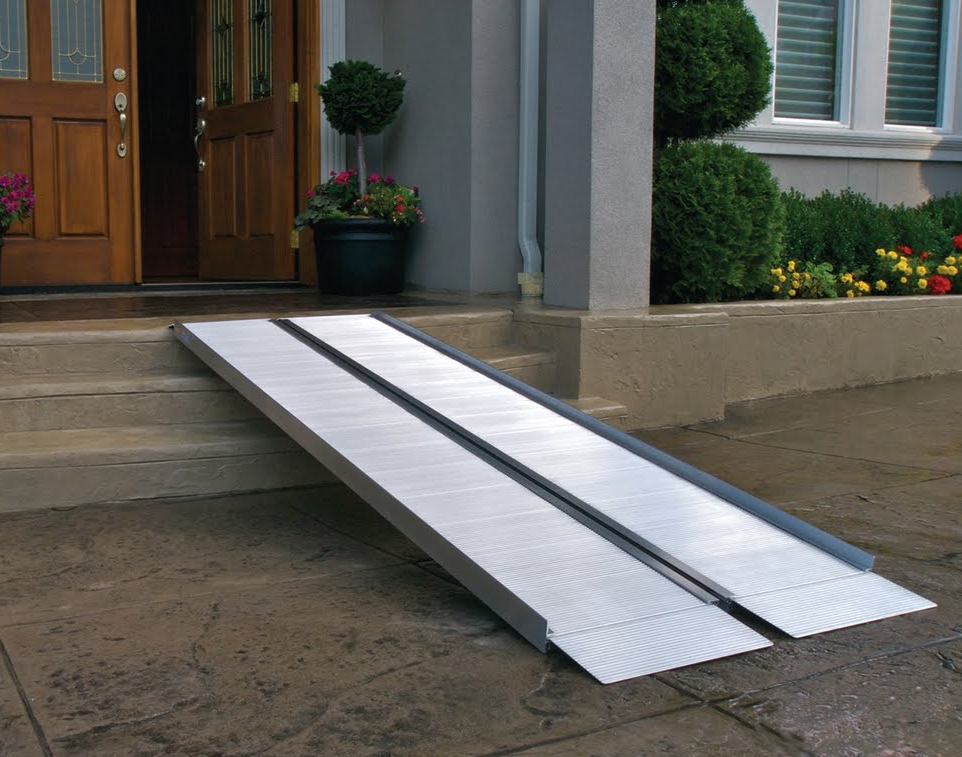
Portable ramps are manufactured and designed to be affordable and dependable in a variety of situations. They are strong as well as being easily storable and transportable. Many models of ramps are made to easily fold up and fit in the back of the van or the trunk. Folding ramp models also come with built in handles to make carrying them around easier. Since no installation is required, you can unfold the ramps and set them where they’re needed at a moments notice. Ramps are usually built of lightweight but strong metals such as aluminum. These types of ramps have up to a 600 pound capacity. (Total weight of wheelchair and occupant cannot exceed 600 pounds.)

When carrying or storage space is at a minimum, you may want to check out rolled portable wheelchair ramps. This type of ramp does just what it’s called – it quickly rolls up allowing you to place it in a small space such as in a car trunk or back of a van, and also taken with you on plane trips by being checked as baggage. Though a rollup ramp might seem a little intimidating at first, know that they are strong and safe, with side rails to keep your wheels alligned on the ramp and out of danger. One of the disadvantages to the rollup type of ramps is that the length of the ramp is limited to shorter runs than some of the other, more sturdy or rigid types. The quickness, ease of use and small storage space are what prefer in this type of ramp. To use the folding ramp, you simply unroll it, place the side rails for safety and extra rigidity, and use as needed.

There are a few companies that are now manufacturing portable wheelchair ramps out of glass reinforced plastic, or GRP, that is both extremely strong and lightweight. These new ramps boast a carrying capacity of about 550 lbs, including wheelchair and rider. They come in several different varieties, the most portable of which are the briefcase style ramps and the folding channel ramps. If you’re looking for space saving ramps, these should be small enough to fit in the small spaces of a van or trunk. Both of these types also offer almost instantaneous setup and use. You simply unfold it and you’re ready to go.

Portable wheelchair ramps have made it much easier for those people with disabilities to gain access to places and structures that have not yet been equipped with permanent building wheelchair ramps. Simply pull your own ramp out of your trunk, unfold, or unroll, and join the party.

Jeff Conner
Jeff Conner

President, Husband, Father, Grandfather Graduate of UC Davis- Bio Sci Major- Go Aggies! Jeff has extensive experience in all of Pacific Mobility’s products and services, and specializes in accessibility products as well as stairlifts, ceiling lifts and custom wheel chairs. His hobbies include spending time with family, gardening, mountain biking, exercising and off road motorcycle riding.

24 years as Owner/President of Pacific Mobility Center – selling, installing, and servicing stairlifts, porch lifts, ceiling lifts, pool lifts, handicap ramping, specialty wheelchairs, scooters, power wheel chairs, and other power mobility devices
Certified Environmental Access Consultant since 2008
Licensed General Contractor since 1998
Certified Aging in Place Specialist since 2016
Board Member for Home Access Professionals
Member of Association of Members of the Accessibility Equipment Industry (AEMA)

www.linkedin.com/in/jeff-conner-14085616/

Filed Under: How To's

Charging Your Mobility Equipment’s Batteries

January 20, 2011 By Jeff Conner

Many folks ask how much and when should I charge my equipment’s batteries. Read on and learn the proper way to keep your equipment in tip top running condition:

How often should I charge?

Daily Users:
Charge daily. This applies to anyone who actually uses his or her equipment outside of the home.

Occasional Users:
Always be sure to charge before an outing and always after active use. The ideal recharge point is about 50% on a scooter or wheelchair gauge.

How do I charge my Batteries correctly?

To properly charge your mobility battery, follow these simple procedures:
– Use the manufacturer’s automatic charger for all routine charging.
– Never use an automotive or wet-type charger on gel/sealed batteries. (They’ll quickly ruin your battery).
– Never run your battery completely flat.
– Don’t “top off” the battery with frequent charging.

Jeff Conner
Jeff Conner

President, Husband, Father, Grandfather Graduate of UC Davis- Bio Sci Major- Go Aggies! Jeff has extensive experience in all of Pacific Mobility’s products and services, and specializes in accessibility products as well as stairlifts, ceiling lifts and custom wheel chairs. His hobbies include spending time with family, gardening, mountain biking, exercising and off road motorcycle riding.

24 years as Owner/President of Pacific Mobility Center – selling, installing, and servicing stairlifts, porch lifts, ceiling lifts, pool lifts, handicap ramping, specialty wheelchairs, scooters, power wheel chairs, and other power mobility devices
Certified Environmental Access Consultant since 2008
Licensed General Contractor since 1998
Certified Aging in Place Specialist since 2016
Board Member for Home Access Professionals
Member of Association of Members of the Accessibility Equipment Industry (AEMA)

www.linkedin.com/in/jeff-conner-14085616/

Filed Under: How To's

  • « Go to Previous Page
  • Page 1
  • Page 2

Footer

San Diego County Showroom

1355 Grand Ave Suite 102
San Marcos, CA 92078
Toll Free: 866-786-2966
Local: 760-471-8884

Riverside County Lift Sales

Pacific Mobility Center of Temecula
Toll Free: 866-786-2966
Local: 951-383-6845

Orange County Lift Sales

Pacific Mobility Center of Huntington Beach
Toll Free: 866-786-2966
Local: 714-907-4005

Office Hours

Monday-Thursday: 9:00am-5:00pm (closed 12:00-1:15 for lunch)

Friday: 8:30am-4:30pm (closed 12:00-1:15 for lunch)

Find Us on Social Media

Facebook Yelp BBB Angies List Twitter LinkedIn

Showroom Location


View Larger Map

  • Home
  • Coupons
  • Quote Request
  • About Us
  • Products
  • Careers
  • Blog
  • Gallery
  • FAQ
  • Contact
  • Service Area
  • Privacy Policy
  • Terms of Service
  • Disclaimer
  • Cookie Policy
  • Proposition 65 Warnings

Copyright © 2026 Pacific Mobility, All Rights Reserved.


Website by A Servant's Heart Web Design and Marketing

Schedule an Appointment

How can we help you?