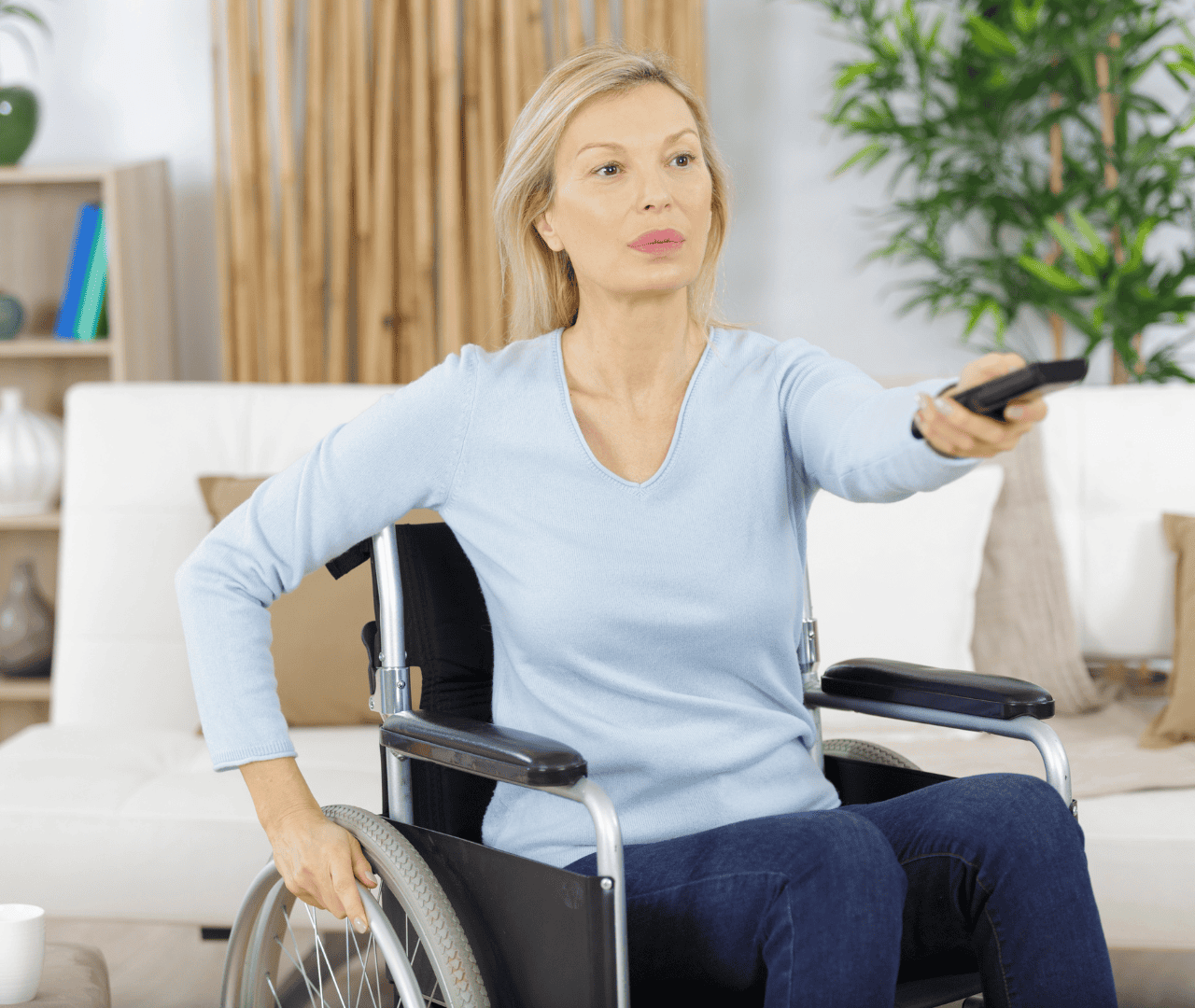
For seniors living with Alzheimer’s disease, daily mobility can be a challenge—both physically and cognitively. Smart mobility aids like ceiling lifts and chair lifts offer safe, reliable solutions that reduce fall risk, improve comfort, and maintain dignity.
Here’s how these two mobility tools provide essential support every day:
- Ceiling lifts assist with safe transfers from bed to wheelchair or bathroom, minimizing risk for both seniors and caregivers.
- Chair lifts help seniors stand up or sit down without straining joints or risking imbalance.
- Both devices reduce caregiver injury, allowing smoother, safer transfers without physical lifting.
- They lower fall risk, especially during common trouble points like waking, bathing, and toileting.
- These tools promote independence, giving seniors the ability to move with less hands-on help.
- Their consistency builds trust, which is especially important for individuals with cognitive decline.
Mobility challenges are often intensified by memory loss and confusion. Smart assistive devices offer structure, safety, and predictability—key ingredients for daily Alzheimer’s care.
Why This Matters on World Alzheimer’s Day
World Alzheimer’s Day, observed on September 21, is a global opportunity to raise awareness about Alzheimer’s disease and advocate for those affected. As the population ages, more families are navigating the complex needs of loved ones with memory loss, including how to help them move safely around the home.
While Alzheimer’s is most known for affecting memory, it also impacts motor planning, spatial awareness, and decision-making—all of which raise the risk of falls and injuries. Smart mobility aids like ceiling and chair lifts are especially valuable because they reduce the need for judgment-based movement, such as knowing how to safely rise from a chair or navigate narrow spaces.
This day is a powerful reminder that investing in thoughtful, personalized care can lead to safer, more dignified living for seniors with Alzheimer’s.
How Ceiling and Chair Lifts Improve Daily Life
1. Ceiling Lifts: Reliable Transfers Without Risk
Seniors with Alzheimer’s often struggle with balance, agitation, or muscle coordination, especially when getting in and out of bed, moving to a toilet, or transferring to a wheelchair.
How ceiling lifts help:
- Safely transport the individual along a track system with minimal physical effort
- Prevent confusion or fear that might arise during manual transfers
- Allow caregivers to maintain a calm and secure environment
- Reduce chances of sudden, jerky movements or accidental slips
- Provide consistent, gentle support that builds familiarity and comfort
They are especially helpful for non-ambulatory seniors or those in mid to late stages of Alzheimer’s.
2. Chair Lifts (Lift Chairs): Confidence While Sitting or Standing
Tasks like sitting down or standing up can cause disorientation and imbalance in seniors with Alzheimer’s. A simple shift in weight can lead to a fall.
How chair lifts help:
- Gradually lift or lower the senior into a standing or seated position
- Eliminate the need to push off or “fall back” into a chair
- Help prevent injuries related to joint weakness or dizziness
- Reduce the need for physical support from a caregiver, which may be confusing or resisted
- Create a sense of control over movement, fostering confidence
Chair lifts also reduce the risk of refusal or fear during transitions—a common behavioral issue in Alzheimer’s care.
Additional Benefits for Caregivers
- Reduce physical strain, lowering the chance of caregiver back or shoulder injuries.
- Simplify routines, especially when dealing with resistance or confusion.
- Help maintain a calm atmosphere, which is crucial in Alzheimer’s care.
- Allow one caregiver to manage transfers, rather than needing multiple people.
- Improve consistency, which seniors with Alzheimer’s respond to best.
By minimizing the stress and unpredictability of physical movement, these aids support both sides of the care relationship.
When to Consider Installing These Mobility Aids
Families should consider smart mobility solutions when:
- The senior shows signs of unsteadiness or falls during transitions
- Physical strength is noticeably reduced
- There’s increasing resistance or confusion during transfers
- Caregivers are experiencing physical fatigue or back strain
- The senior is progressing into moderate or advanced stages of Alzheimer’s
Early planning and installation allow time for the senior to become familiar with the aids, reducing fear or resistance later.
Final Thought
Seniors with Alzheimer’s face daily mobility challenges that go beyond physical weakness—they also struggle with decision-making, motor coordination, and fear. Smart mobility tools like ceiling lifts and chair lifts are more than mechanical aids—they’re lifelines that support safety, dignity, and calm routines.On World Alzheimer’s Day, let’s commit to creating supportive, secure environments for those living with memory loss. Because when we lift their bodies safely, we also lift their quality of life.