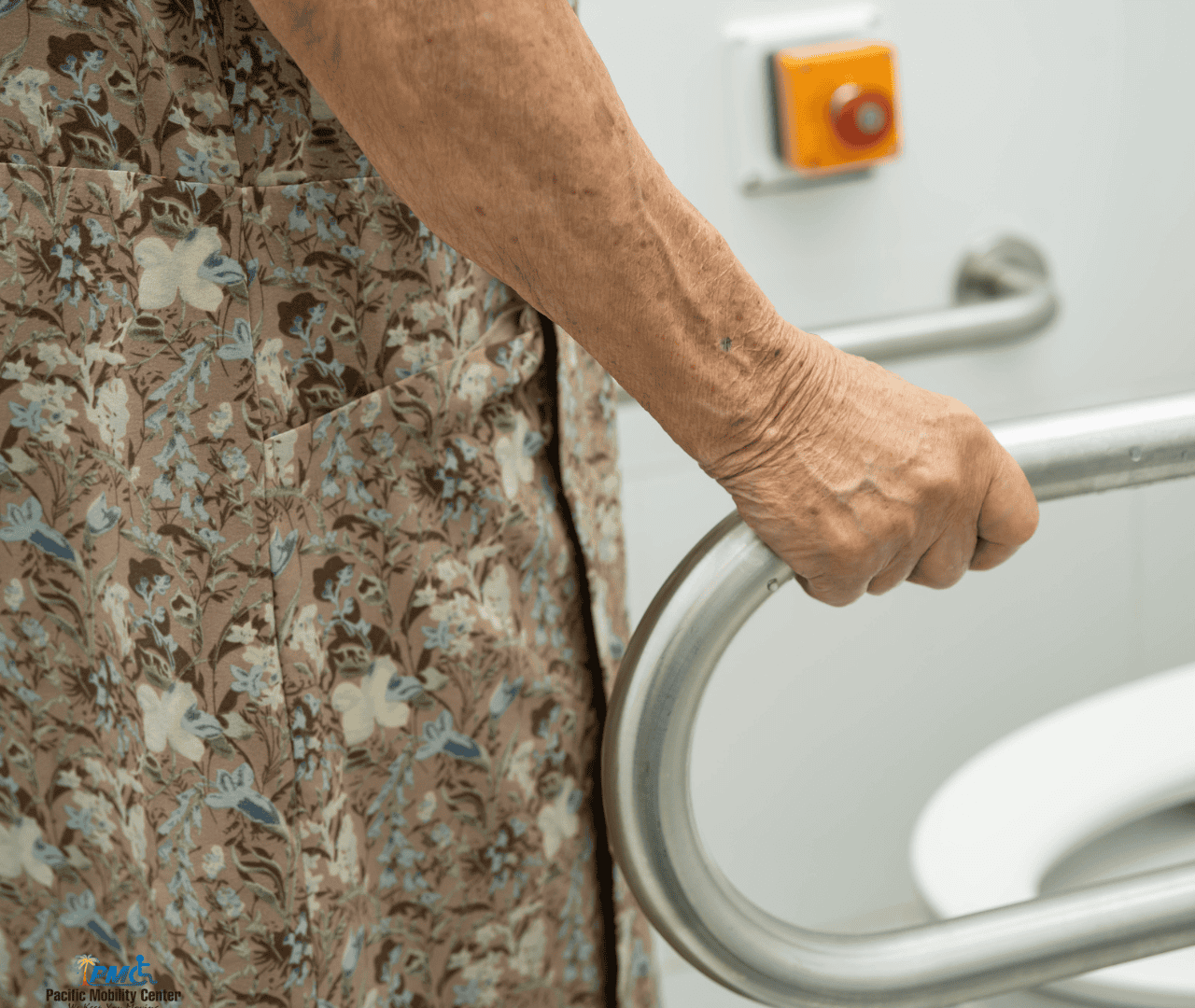
Falls are one of the most common and serious risks facing seniors today. According to research, one in four older adults experiences a fall each year, and the consequences can range from minor bruises to serious fractures, hospitalizations, or long-term loss of independence. Preventing falls is therefore a critical component of elder home care. From the perspective of a successful home care provider, fall prevention is not just about safety. It is about maintaining independence, confidence, and quality of life for seniors living at home.
Consider the experience of Mrs. Sharma, an 82-year-old living alone. She had always enjoyed gardening and cooking for her grandchildren. After a minor fall in her kitchen, she became hesitant to move freely around her home. Her family contacted a professional home care service specializing in elder safety. The care team conducted a full assessment of her home and routines. They introduced safety modifications such as grab bars, non slip mats, improved lighting, and mobility aids. They also implemented a personalized exercise plan to improve her balance and strength. Within a few weeks, Mrs. Sharma regained confidence and returned to her daily activities safely. Her story highlights how fall prevention strategies are central to elder home care.
The following content provides insights, expert advice, and step by step strategies for caregivers and families to prevent falls and support seniors at home.
Conduct a Comprehensive Fall Risk Assessment
Understanding the individual risks for each senior is the first step in fall prevention. Every older adult has different strengths, limitations, and environmental hazards.
Step by step assessment tips
- Walk through the home with the senior to identify potential hazards.
- Evaluate mobility, balance, and endurance.
- Check for medical conditions that increase fall risk, such as osteoporosis, vision problems, or medication side effects.
- Identify areas where seniors perform daily activities that may be unsafe.
- Discuss past fall experiences and any fears related to movement.
- Develop a fall prevention plan tailored to the senior’s needs.
A detailed assessment ensures preventive measures are targeted and effective.
Make Home Safety Modifications
Modifying the home environment is a critical component of fall prevention. Simple changes can make daily routines much safer for seniors.
Step by step modification tips
- Install grab bars in bathrooms, near toilets, and in showers.
- Replace loose rugs with non slip mats or remove them entirely.
- Ensure hallways and rooms are well lit, including night lights in bedrooms and bathrooms.
- Remove clutter and create clear walking paths.
- Repair uneven flooring, loose steps, or damaged outdoor walkways.
- Arrange furniture to allow easy navigation with mobility aids.
Safety modifications reduce hazards and allow seniors to move independently with confidence.
Encourage Safe Movement and Mobility
Seniors who are hesitant to move are at higher risk of falls due to muscle weakness and reduced balance. Mobility aids can provide the support needed to stay active safely.
Step by step mobility tips
- Introduce walkers, canes, or rollators as needed.
- Encourage seniors to use devices consistently, not only when they feel unsteady.
- Practice safe movement techniques, such as rising from a chair slowly and maintaining balance.
- Ensure shoes are supportive and provide proper traction.
- Assist with stair navigation using handrails or stair lifts where necessary.
- Monitor and adjust the use of mobility devices as strength and confidence improve.
Using mobility aids properly empowers seniors to stay active and reduces the risk of falls.
Promote Balance and Strength Exercises
Strength and balance exercises are vital to preventing falls. These exercises improve coordination, increase muscle tone, and reduce instability.
Step by step exercise tips
- Begin with gentle stretches and seated exercises for flexibility.
- Introduce short walking sessions indoors or outdoors.
- Practice balance exercises using support bars or mobility aids.
- Gradually increase duration and difficulty of exercises.
- Encourage consistency by incorporating exercises into daily routines.
- Celebrate progress to motivate continued participation.
Regular physical activity enhances stability and helps seniors regain confidence in their mobility.
Review Medications and Health Conditions
Certain medications and health conditions can increase fall risk. A holistic approach includes regular monitoring of health status and treatment plans.
Step by step health monitoring tips
- Review medications with healthcare providers to identify those that may cause dizziness or fatigue.
- Monitor blood pressure and blood sugar levels for fluctuations.
- Ensure vision and hearing are checked regularly.
- Address conditions that affect balance, such as arthritis or neuropathy.
- Encourage proper hydration and nutrition to support overall health.
- Communicate any changes in health promptly to the care team.
Addressing underlying health factors reduces the likelihood of falls and promotes safe recovery.
Educate Seniors and Families
Awareness is a powerful tool in fall prevention. Seniors and their families must understand risks and safe practices.
Step by step education tips
- Teach seniors how to use mobility aids correctly.
- Demonstrate safe techniques for getting up from chairs, beds, or floors.
- Discuss strategies for avoiding risky behaviors, such as rushing or carrying heavy objects.
- Encourage open communication about fears or challenges.
- Share information on home safety modifications and exercise routines.
- Include family members in fall prevention planning and monitoring.
Education fosters a culture of safety and encourages proactive behavior at home.
Maintain and Reassess Safety Measures
Fall prevention is an ongoing process. Regular evaluation ensures that safety measures remain effective as seniors age.
Step by step maintenance tips
- Inspect grab bars, handrails, and mobility aids regularly.
- Check lighting and replace bulbs as needed.
- Monitor flooring, rugs, and walkways for wear or hazards.
- Reassess exercise routines and adjust for changing abilities.
- Update home modifications as needs evolve.
- Consult occupational therapy or home care specialists periodically for guidance.
Continual monitoring ensures sustained safety and supports long-term independence.
Final Thoughts
Fall prevention is essential in elder home care. It protects seniors from injury while promoting independence, confidence, and quality of life. From the perspective of an experienced home care provider, fall prevention combines environmental modifications, mobility support, exercise, health monitoring, education, and ongoing reassessment. By following these strategies, caregivers and families can create a safe home environment where seniors can thrive with dignity and security. Fall prevention is not just a precaution. It is a proactive approach to empowering seniors to live safely and confidently in their own homes.
Legal Disclaimer: This post is strictly for educational use and should not be construed as professional advice (medical, legal, financial, or otherwise).