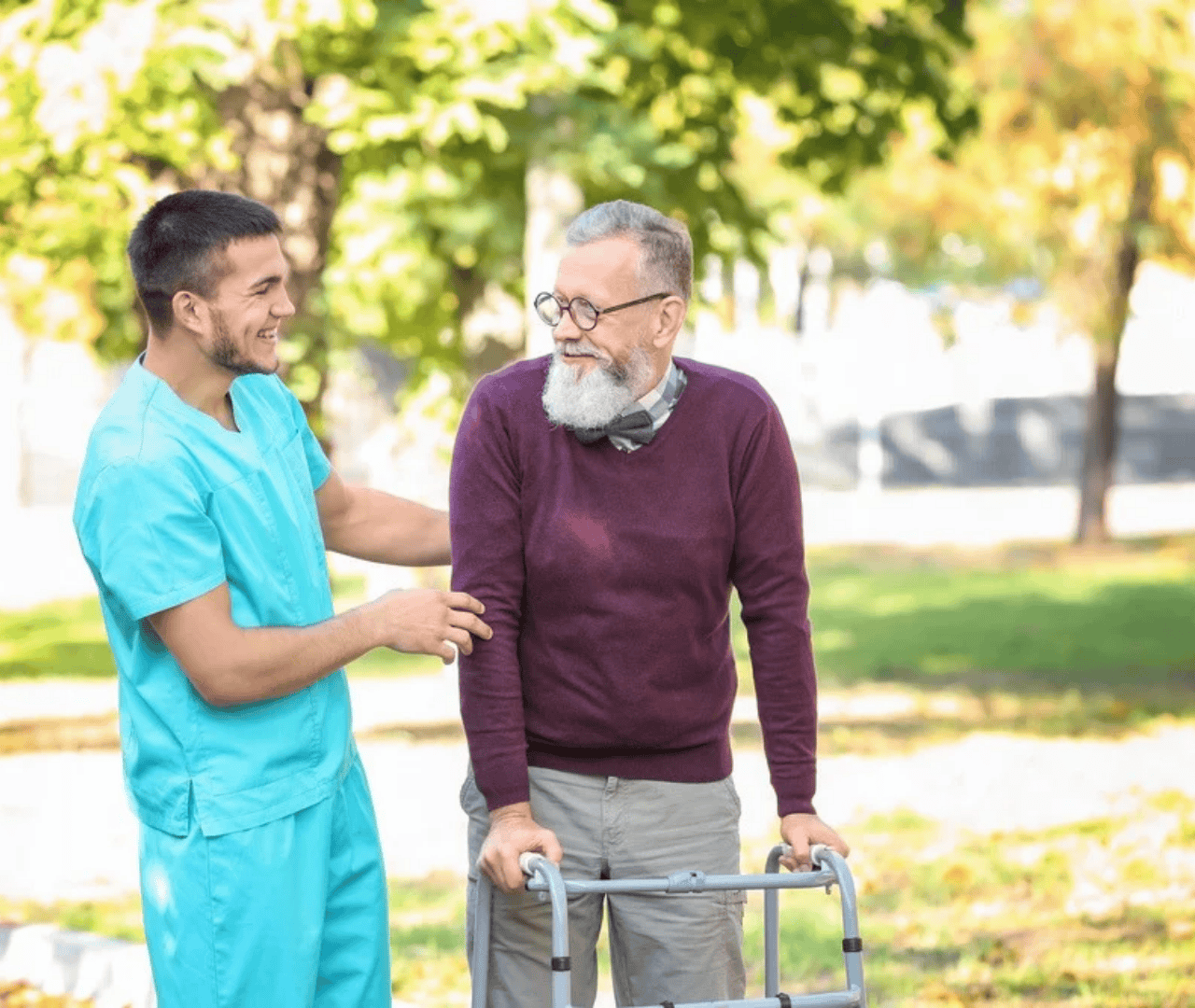
National Family Caregivers Day provides an opportunity to recognize the important role family caregivers play in helping older adults and people with mobility limitations manage everyday activities. Mobility solutions such as stairlifts, ramps, ceiling lifts, walkers, wheelchairs, grab bars, and residential porch lifts may make daily care tasks more manageable. When properly selected and used, these products can reduce certain physical demands on caregivers while supporting greater comfort, accessibility, and independence for the people receiving care.
Why Is Mobility Support Important for Family Caregivers?
Family caregivers often assist loved ones with activities that require physical movement.
These responsibilities may include helping someone get out of bed, stand from a chair, use the bathroom, navigate stairs, or enter and leave the home.
As mobility limitations increase, these tasks can become more physically demanding.
Repeated bending, lifting, and assisting with transfers may contribute to caregiver fatigue or injury, particularly when appropriate equipment and training are unavailable.
National Family Caregivers Day encourages families to consider practical solutions that support both caregivers and care recipients.
How Can Stairlifts Make Daily Care Easier?
Stairs can become a significant obstacle for older adults experiencing arthritis, muscle weakness, balance problems, or other mobility limitations.
A stairlift uses a powered seat that travels along a rail installed on a staircase.
For an appropriate user, it may reduce the need to climb stairs repeatedly.
This can also reduce situations in which a family caregiver feels pressured to physically support someone while navigating steps.
However, stairlifts are not suitable for everyone. The person must be able to transfer onto and off the seat appropriately and use the equipment as intended.
A qualified accessibility professional can assess the staircase and individual needs.
When Might a Ceiling Lift Be Helpful?
Ceiling lifts are designed to assist with certain transfers using an overhead track system and an appropriate sling.
Depending on the equipment and care plan, they may help transfer someone between a bed, wheelchair, chair, or other suitable location.
For family caregivers assisting someone with substantial mobility limitations, a properly selected ceiling lift may reduce the physical demands of certain transfers.
Important considerations include:
- The individual’s mobility and medical needs
- Weight capacity
- Sling selection and compatibility
- Track configuration
- Structural requirements
- Caregiver training
- Manufacturer instructions
Professional assessment, installation, and hands-on training are essential. Caregivers should not attempt transfers with equipment they have not been trained to use.
Can Walkers and Rollators Support Everyday Independence?
Walkers and rollators may help some people move around their homes and communities.
A standard walker generally provides a stable support frame, while many rollators include wheels, brakes, and a seat.
However, the correct device depends on the person’s strength, balance, coordination, and mobility needs.
A rollator is not automatically the best choice for someone who needs substantial weight-bearing support.
A physical therapist or other qualified healthcare professional can recommend appropriate equipment and teach proper use.
For family caregivers, suitable mobility aids may allow a loved one to participate more independently in appropriate everyday activities.
How Can Wheelchairs Make Daily Activities More Manageable?
Wheelchairs may provide an important mobility option for individuals who cannot comfortably walk certain distances.
Some people use wheelchairs throughout the day, while others need them only for longer outings or specific activities.
Proper wheelchair selection involves more than choosing a seat.
Factors such as fit, positioning, weight capacity, maneuverability, transportation, and the home environment should be considered.
Caregivers may also need training in wheelchair handling and appropriate transfer techniques.
The right equipment may support participation in family activities, appointments, and community events.
Could a Ramp Improve Access to the Home?
Entrance steps can create difficulties for people using wheelchairs, walkers, and other mobility devices.
A properly designed ramp may provide an alternative route into and out of the home.
Ramp design should account for slope, width, landings, surface materials, drainage, handrails, and applicable building requirements.
Families should avoid improvised ramps or equipment that is not appropriate for the intended use.
A qualified accessibility professional can help determine whether a ramp is practical for the property.
Improving entrance accessibility may also make transportation to medical appointments and family activities more manageable.
When Should Families Consider a Residential Porch Lift?
A residential porch lift, also known as a vertical platform lift, may be useful when an entrance has several steps and there is insufficient space for an appropriate ramp.
These lifts move an appropriate user and mobility device vertically between levels.
They may provide an accessibility option for someone who regularly uses a wheelchair.
However, porch lifts require careful planning.
Available space, elevation, weight capacity, weather exposure, equipment compatibility, and local installation requirements all matter.
Professional assessment and installation are important before selecting a lift.
What Bathroom Modifications Can Help Family Caregivers?
Bathrooms are common locations where family caregivers provide assistance.
Tasks such as using the toilet, bathing, and moving between standing and seated positions can become challenging when mobility changes.
Depending on individual needs, useful modifications may include:
- Professionally installed grab bars
- Appropriate shower seating
- Accessible bathing arrangements
- Improved lighting
- Clear walking paths
- Suitable toilet support equipment
An occupational therapist can help evaluate the individual’s abilities and recommend appropriate modifications.
Equipment should be selected based on actual needs rather than assuming that one solution works for everyone.
How Can Adjustable Beds and Transfer Aids Help?
Some families may benefit from adjustable beds or specialized transfer equipment.
An adjustable bed may make positioning more comfortable for certain individuals, while appropriate transfer aids may assist with specific movements.
However, not all transfer devices are suitable for every person.
Some require the individual to bear weight or participate actively in the movement.
Using the wrong device or an improper technique can create additional risks.
Families should seek professional recommendations and training before attempting assisted transfers.
Why Is Caregiver Training Just as Important as Equipment?
Even well-designed mobility equipment requires appropriate use.
Family caregivers should understand how equipment operates, its limitations, and when additional assistance is necessary.
Training may cover:
- Safe equipment operation
- Appropriate transfer techniques
- Weight-capacity limitations
- Proper positioning
- Equipment inspections
- Recognizing when a task requires professional assistance
Caregivers should never attempt to lift or transfer someone beyond their physical ability or training.
Professional guidance can help families develop more appropriate care routines.
How Can National Family Caregivers Day Encourage Better Planning?
National Family Caregivers Day, observed on the third Friday in February, provides an opportunity to recognize caregivers and evaluate the support they need.
Families can use the occasion to review daily activities that have become physically demanding.
Questions worth considering include whether an older adult struggles with stairs, needs help getting out of bed, has difficulty using the bathroom, or requires assistance entering and leaving the home.
A healthcare professional, occupational therapist, physical therapist, or qualified accessibility specialist may help identify suitable solutions.
How Can Mobility Solutions Support Both Caregivers and Older Adults?
The purpose of mobility equipment is not simply to make caregiving tasks faster.
Appropriate solutions should support the dignity, comfort, preferences, and abilities of the person receiving care while considering the caregiver’s physical well-being.
Stairlifts, ramps, porch lifts, ceiling lifts, walkers, wheelchairs, and bathroom modifications may all play useful roles when matched to individual circumstances.
National Family Caregivers Day is a reminder that caregivers deserve practical support, not just appreciation.
By evaluating mobility challenges early, obtaining professional guidance, and choosing appropriate accessibility solutions, families may create daily care routines that are more manageable while helping older adults maintain as much independence as possible.
Legal Disclaimer: This post is strictly for educational use and should not be construed as professional advice (medical, legal, financial, or otherwise).