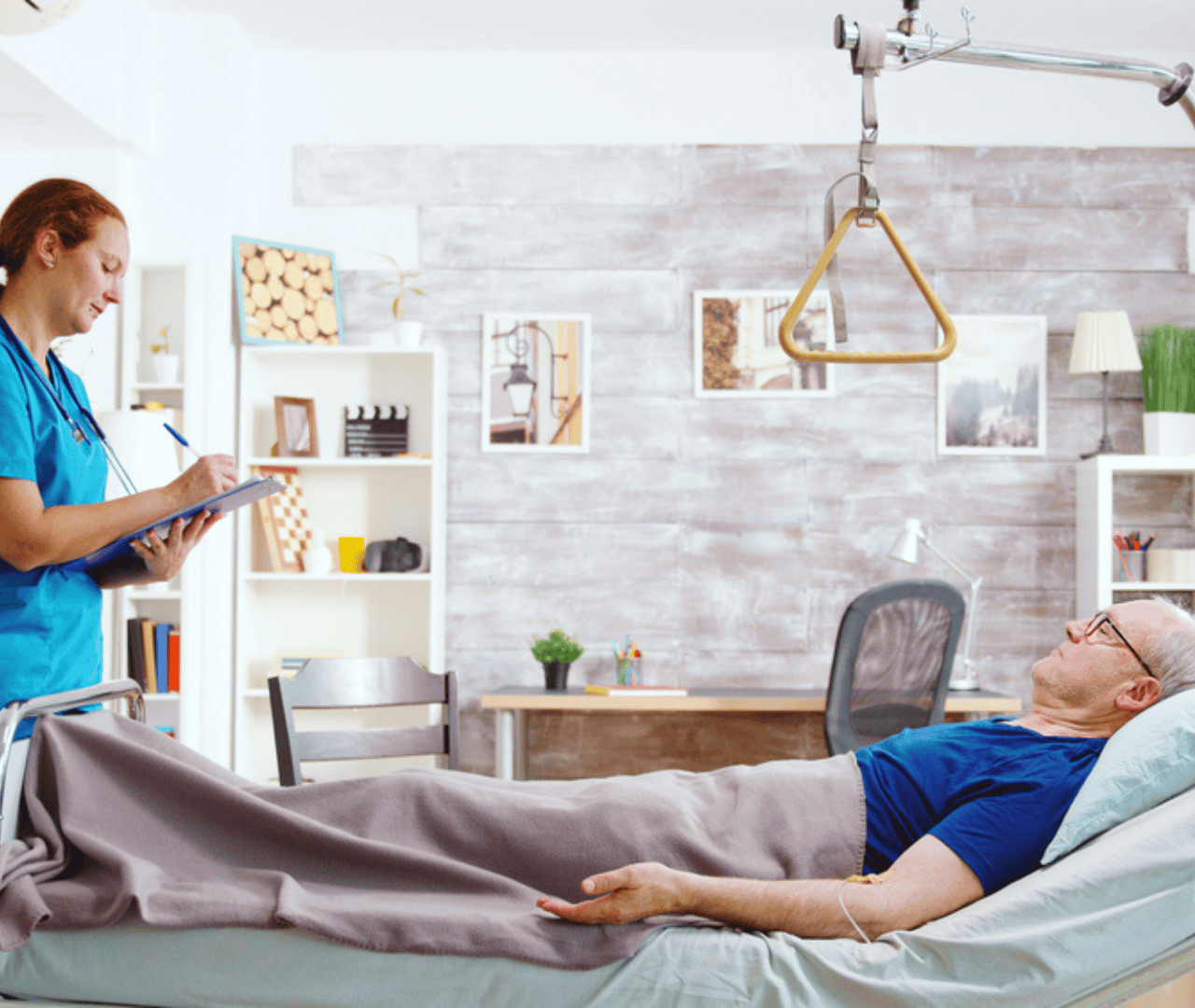
Ceiling lifts can improve mobility by making transfers safer, easier, and more comfortable for individuals with limited mobility while reducing physical strain on caregivers. During National Wellness Month, they serve as a reminder that creating a safe and accessible home supports independence, overall well-being, and a better quality of life.
Observed each year in August, National Wellness Month encourages people to focus on healthy habits that improve physical, emotional, and mental well-being. While wellness often includes exercise and nutrition, it also means creating a living environment that supports safe movement and daily independence. Ceiling lifts can play an important role in helping individuals remain comfortable and active at home.
What Is a Ceiling Lift?
A ceiling lift is a transfer system that moves along a track mounted to the ceiling. It helps safely transfer individuals with limited mobility between locations such as a bed, wheelchair, or bathroom without requiring heavy manual lifting.
Ceiling lifts may assist with transfers between:
- Bed and wheelchair
- Wheelchair and bathroom
- Bedroom and living area
- Chair and bed
- Other accessible areas of the home
The right system depends on the home’s layout and the individual’s mobility needs.
Why Safe Transfers Matter
Safe transfers help reduce the risk of falls and injuries while making everyday routines more comfortable.
Safe transfer solutions can help:
- Improve independence
- Increase confidence
- Reduce fall risks
- Support daily comfort
- Improve quality of life
- Make caregiving safer
A reliable transfer system allows individuals to participate more comfortably in everyday activities.
Reduce Physical Strain on Caregivers
Manual lifting can place significant stress on family members and professional caregivers.
Ceiling lifts help by:
- Reducing heavy lifting
- Lowering the risk of back injuries
- Improving transfer efficiency
- Supporting proper positioning
- Making daily care less physically demanding
- Creating a safer environment for everyone
Reducing caregiver strain also helps improve the overall caregiving experience.
Support Greater Independence
Many individuals want to remain as independent as possible while living at home.
Ceiling lifts can help by making it easier to:
- Get out of bed
- Transfer to a wheelchair
- Access the bathroom
- Move between rooms
- Participate in daily routines
- Remain active within the home
Greater independence often contributes to improved emotional well-being.
Improve Home Accessibility
Ceiling lifts are one part of a comprehensive accessibility plan.
Additional home improvements may include:
- Wheelchair ramps
- Grab bars
- Stair lifts
- Non-slip flooring
- Wider doorways
- Improved lighting
Together, these features create a safer and more accessible home environment.
Support Healthy Aging
Many older adults prefer to remain in their own homes as they age. Accessibility solutions can make aging in place safer and more comfortable.
Home accessibility may help:
- Maintain independence
- Reduce fall risks
- Improve confidence
- Simplify daily routines
- Support long-term wellness
Planning ahead allows families to prepare for changing mobility needs.
Complete Seasonal Home Safety Checks
National Wellness Month takes place during August, making it a good time to inspect your home for safety improvements.
Check for:
- Clear walking paths
- Secure flooring
- Working smoke alarms
- Stable handrails
- Proper lighting
- Accessibility equipment in good condition
Seasonal inspections help identify potential safety concerns before they become larger problems.
Connect With Health Observances
National Wellness Month complements several awareness campaigns that promote mobility and healthy living.
Related observances include:
- Healthy Aging Month
- Falls Prevention Awareness Week
- World Physical Therapy Day
- National Safe at Home Week
These observances encourage families to create environments that support long-term wellness and safe mobility.
Choose the Right Ceiling Lift
Selecting the right ceiling lift depends on several factors.
Consider:
- Individual mobility needs
- Home layout
- Weight capacity
- Transfer locations
- Frequency of use
- Future accessibility needs
A qualified accessibility professional can recommend the most suitable system for your home.
Maintain Your Equipment
Routine maintenance helps ensure safe and reliable operation.
Helpful maintenance practices include:
- Follow the manufacturer’s maintenance schedule.
- Inspect the lift regularly.
- Test controls before use.
- Keep tracks clean.
- Schedule professional servicing as recommended.
Proper maintenance extends equipment life and supports dependable performance.
Work With Qualified Professionals
Professional installation is important for safety and long-term reliability.
Accessibility specialists can:
- Assess your home
- Recommend appropriate lift systems
- Install equipment correctly
- Explain safe operation
- Provide maintenance guidance
Professional expertise helps ensure the lift meets both current and future mobility needs.
Final Thoughts
National Wellness Month reminds us that wellness includes creating a safe and accessible environment for everyday living. Ceiling lifts improve mobility by supporting safer transfers, reducing caregiver strain, and helping individuals maintain greater independence at home. Combined with seasonal home safety checks and other health awareness initiatives, ceiling lifts can enhance comfort, confidence, and quality of life while supporting healthy aging and long-term well-being.