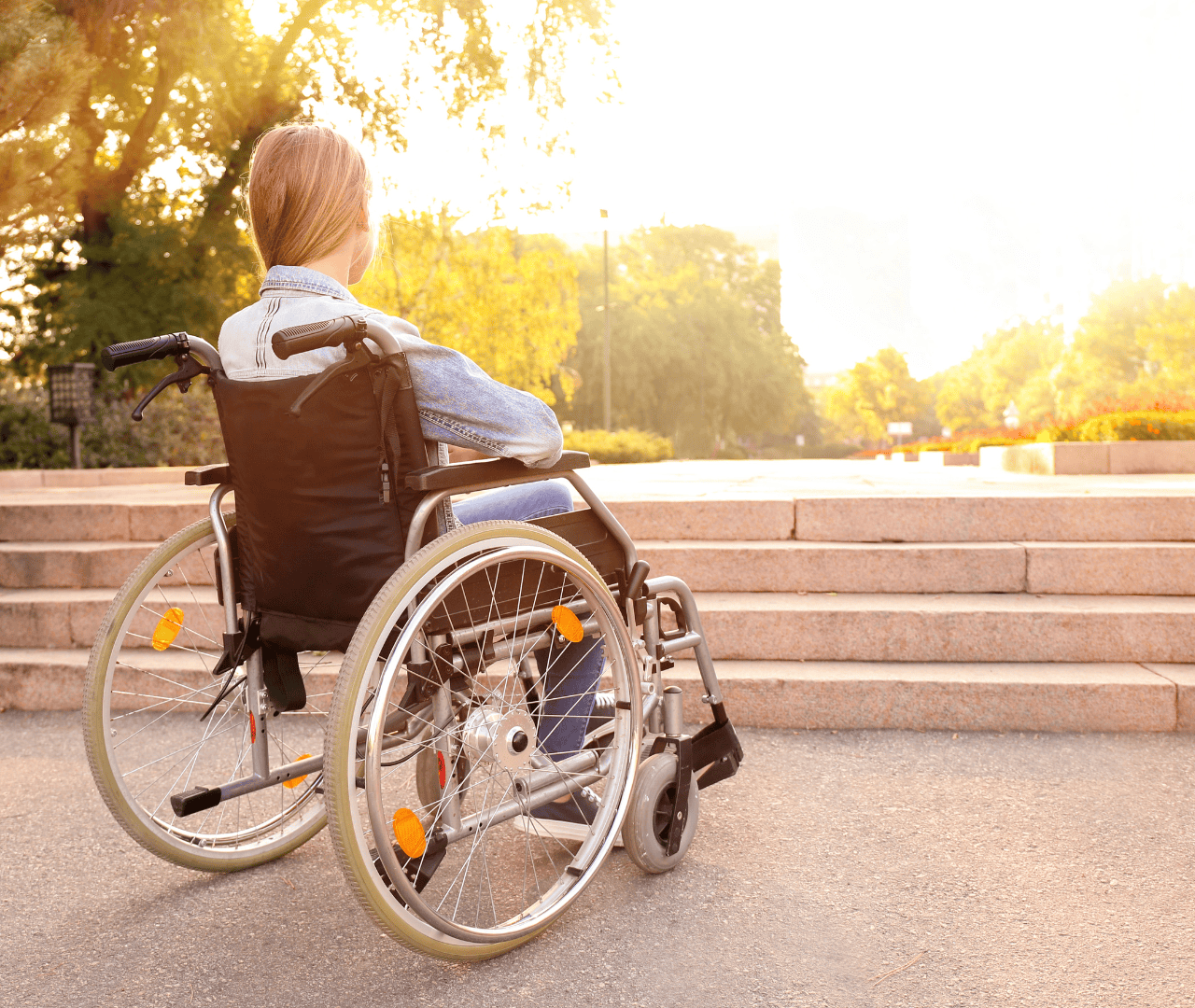
Maintaining independence is a top priority for many seniors living in assisted living communities. Stair lifts and chair lifts are powerful tools that help preserve that independence by enhancing mobility and reducing the risk of falls. Here’s how these mobility aids support seniors every day:
- Provide safe, easy access to multiple levels of a home or facility without the strain of climbing stairs.
- Reduce fall risk, which is especially important for seniors with balance or strength issues.
- Promote autonomy, allowing seniors to move around independently instead of relying on staff or caregivers.
- Relieve joint stress, particularly for individuals with arthritis, hip, or knee conditions.
- Support mental well-being by giving seniors more freedom of movement and reducing the fear of injury.
- Encourage participation in daily activities, like visiting community rooms, dining halls, or outdoor spaces.
- Offer a comfortable and secure ride, with built-in safety features such as seat belts and footrests.
Stair and chair lifts are more than just equipment—they’re a gateway to confidence, dignity, and daily engagement for seniors.
Why It Matters During National Assisted Living Week
National Assisted Living Week is observed every September to celebrate the individuals who live and work in assisted living communities and to raise awareness of the value these communities bring to seniors and their families. The theme often focuses on enhancing quality of life, maintaining independence, and supporting resident dignity.
Mobility challenges are among the most common barriers to independence in senior care. While many facilities are single-story, others may include multi-level buildings, outdoor steps, or elevated recreation areas. Stair lifts and chair lifts help overcome these barriers safely—especially for seniors who use walkers, have difficulty navigating stairs, or are recovering from surgery or illness.
This week offers the perfect opportunity to highlight how investing in mobility solutions can improve quality of life.
The Difference Between Stair Lifts and Chair Lifts
While often used interchangeably, these two aids have specific purposes:
- Stair Lifts: Motorized seats that carry the user up and down a staircase along a rail. Ideal for seniors in multi-level homes or facilities.
- Chair Lifts (Lift Chairs): Reclining chairs with lifting mechanisms that gently help a person move from sitting to standing. Perfect for seniors with limited leg strength or balance issues.
Both promote mobility and reduce the physical effort required for everyday tasks.
Key Benefits for Seniors in Assisted Living
1. Freedom of Movement
Mobility devices eliminate the need to wait for staff assistance, empowering seniors to go where they want, when they want—safely.
2. Fall Prevention
Falls are the leading cause of injury in older adults. Stair lifts eliminate the risk of tripping on steps, while lift chairs prevent strain when standing up.
3. Pain Relief
Climbing stairs or standing from a seated position can cause pain in knees, hips, and the back. These devices reduce pressure on joints and offer smoother transitions.
4. Confidence Boost
When seniors know they can move around safely, they’re more likely to stay active, engage with others, and participate in programs—supporting physical and mental health.
5. Reduced Caregiver Strain
With stair or chair lifts, caregivers can focus on other aspects of care rather than constant physical assistance, which also decreases the risk of caregiver injuries.
Practical Considerations for Assisted Living Facilities
During National Assisted Living Week, facilities can evaluate whether their environments support the mobility needs of current and future residents. Some actions to consider:
- Assess common mobility pain points, like stairs leading to outdoor gardens, activity rooms, or therapy centers.
- Install or maintain stair lifts in multi-level areas, especially where elevators are limited or inconvenient.
- Offer lift chairs in shared spaces or as options in resident rooms.
- Educate families and staff on how these aids support senior safety and dignity.
- Host mobility demonstrations this week to encourage awareness and engagement.
Supporting Aging in Place—Even in Assisted Living
Many seniors move to assisted living with the goal of aging in place. Tools like stair lifts and chair lifts make this more achievable by adapting the environment to the person—not the other way around. The result is improved resident satisfaction and extended independence.
Final Thought
This National Assisted Living Week, let’s recognize that maintaining mobility is a key part of maintaining independence. Stair lifts and chair lifts aren’t just equipment—they’re confidence boosters, injury preventers, and essential supports for aging with dignity.Empowering seniors through safe, thoughtful mobility solutions is one of the most impactful ways to show we value their independence—this week and every week.