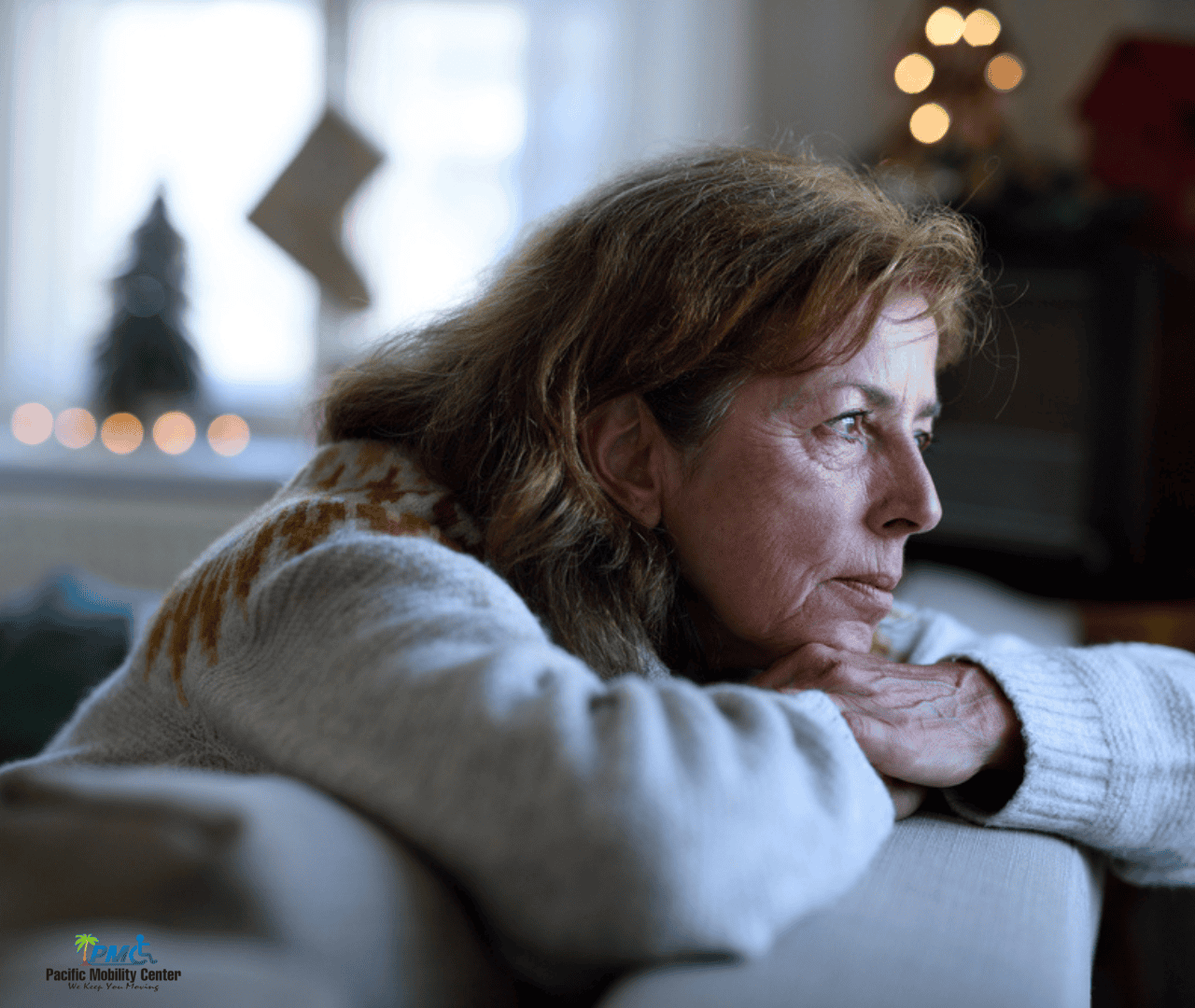
Winter does something subtle to older adults. It does not arrive loudly or dramatically. Instead, it slows things down. Days feel shorter, mornings feel colder, and routines begin to shrink without anyone intentionally deciding to change them.
As someone who works closely with seniors and the services that support them, I see this pattern every year. Winter stillness quietly reshapes mobility habits, not because seniors want to move less, but because winter slowly changes how movement feels.
Stillness Rarely Starts as a Choice
Most seniors do not wake up one day and decide to become less active.
It usually starts small.
A walk skipped because the air feels too cold.
An outing postponed because the pavement looks slippery.
A chair chosen over standing because it feels easier.
Each decision feels practical in the moment. Over time, these small pauses stack up and movement becomes less frequent without anyone noticing the shift.
The Body Responds Quickly to Reduced Motion
The aging body adapts faster than we expect.
When movement decreases, joints stiffen.
When joints stiffen, movement feels harder.
When movement feels harder, confidence fades.
Winter accelerates this cycle. Cold temperatures tighten muscles. Reduced sunlight affects energy levels. The body begins to expect stillness and resists motion more strongly.
Fear Plays a Bigger Role Than We Admit
Winter introduces quiet fear.
Fear of falling.
Fear of pain.
Fear of needing help.
Even seniors who are physically capable may hesitate more during winter. They move cautiously. They grip furniture. They avoid unfamiliar spaces.
This fear is rarely verbalized, but it shapes behavior every day.
Indoor Living Changes Movement Patterns
Spending more time indoors alters how seniors move.
Steps become shorter.
Paths become predictable.
Movements become repetitive.
While indoor living feels safe, it limits natural variation in movement. The body stops practicing balance, reaching, turning, and adjusting to uneven surfaces.
Over time, this narrow range of motion affects strength and coordination.
Energy Levels Shift With the Season
Winter fatigue is real.
Less daylight impacts sleep cycles.
Colder weather increases physical tension.
Reduced social interaction lowers motivation.
Many seniors describe feeling tired even without exertion. This fatigue discourages movement, even when the body is capable.
Stillness feels comfortable, but comfort slowly replaces activity.
Confidence Declines Before Ability Does
One of the most important patterns I notice is this.
Seniors often stop trusting their mobility before they actually lose it.
They question whether they can walk as far.
They doubt their balance.
They avoid movements that once felt natural.
This loss of confidence reshapes habits more than physical decline ever could.
How Habits Form Quietly in Winter
Habits do not require intention.
When movement is avoided repeatedly, the brain begins to see stillness as normal. The body follows that expectation.
By the time spring arrives, many seniors feel out of practice rather than incapable. Unfortunately, rebuilding confidence can take longer than losing it.
The Emotional Impact of Reduced Mobility
Mobility is deeply tied to independence.
When seniors move less, they may feel less capable.
When they feel less capable, they withdraw.
When they withdraw, isolation grows.
Winter stillness can quietly affect emotional health, even when physical health appears unchanged.
Why Small Movements Matter More in Winter
Large exercise goals often feel overwhelming during winter.
What works better is consistency.
Standing more often.
Stretching gently.
Walking short distances daily.
Changing positions regularly.
These small movements keep the body engaged and remind it that motion is still safe.
The Role of Environment in Encouraging Motion
Homes can either support movement or discourage it.
Clear pathways.
Warm, non slippery floors.
Proper lighting.
Supportive seating.
When the environment feels safe, seniors are more likely to move naturally rather than cautiously.
Gentle Support Makes the Difference
Winter is not the time for pressure.
Encouragement works best when it feels supportive, not corrective. Asking how movement feels matters more than counting steps.
Trust grows when seniors feel understood rather than pushed.
What Winter Stillness Teaches Us
Winter reveals how quickly habits can change when conditions shift.
It shows us that mobility is not just about muscles and joints. It is about confidence, comfort, and routine.
By noticing these quiet changes early, families and caregivers can help seniors maintain mobility without fear or strain.
A Season to Protect Movement, Not Pause It
Winter does not need to mean stopping.
It can be a season of mindful motion.
A season of gentle routines.
A season of preserving confidence.
Because when spring arrives, seniors who stayed engaged with movement feel ready to step forward rather than start over.
Sometimes, the most important movement is simply refusing to stop.