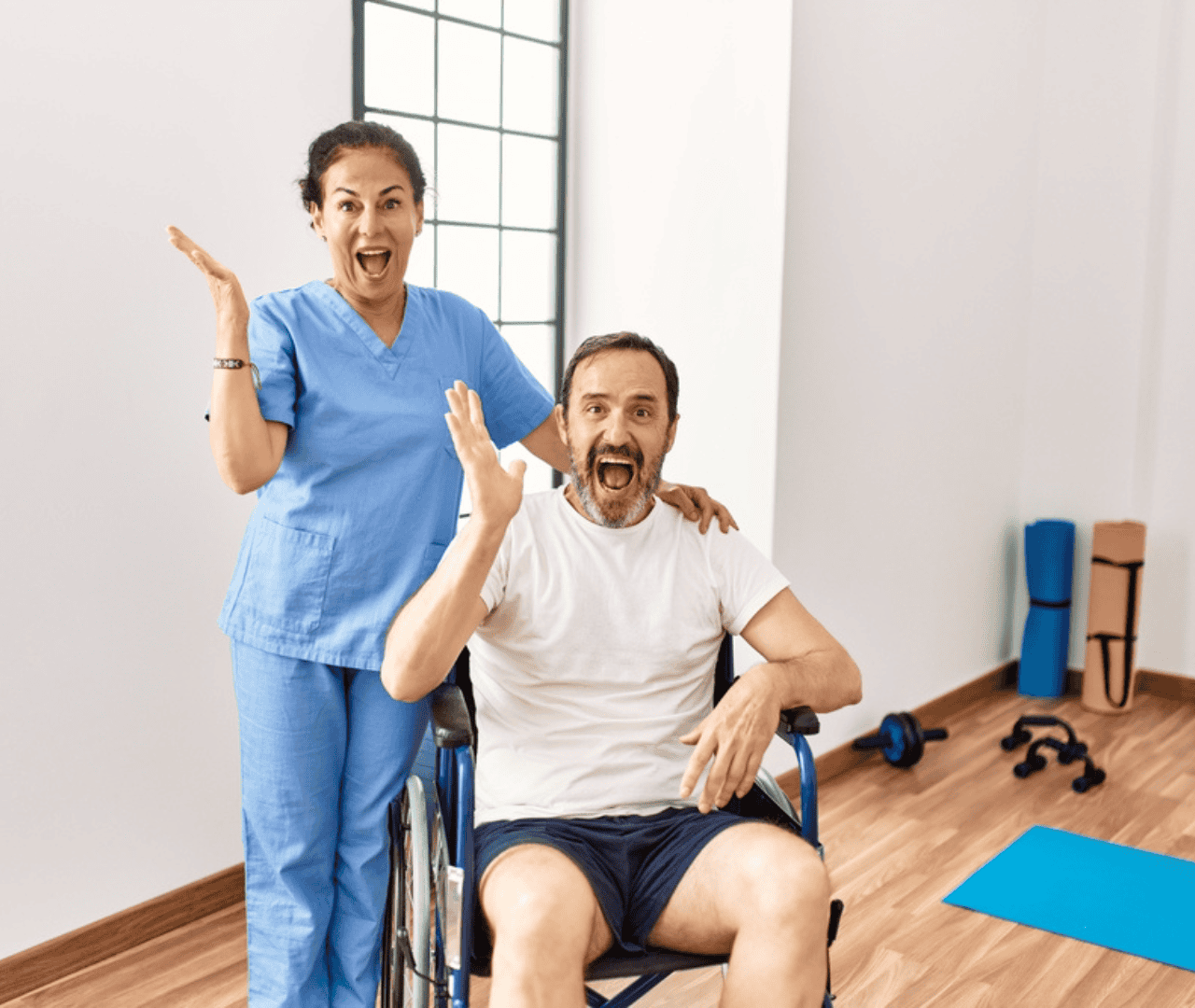
National Spinal Muscular Atrophy Awareness Month promotes mobility awareness by educating families about the importance of early support, accessible environments, physical activity, and community understanding for people living with spinal muscular atrophy (SMA). It encourages greater awareness of mobility challenges while highlighting ways caregivers, families, and communities can help individuals maintain independence and improve their quality of life.
Observed each year during August, National Spinal Muscular Atrophy Awareness Month shines a light on the experiences of people living with SMA. It also reminds families that mobility is an important part of overall health and well-being. By learning more about mobility needs and supporting accessible living, families can help loved ones participate more fully in daily life.
What Is Spinal Muscular Atrophy?
Spinal muscular atrophy, commonly called SMA, is a genetic condition that affects the nerve cells responsible for controlling voluntary muscles. Muscle weakness can make movement, balance, and everyday activities more challenging. The severity of SMA varies from person to person, and many individuals benefit from personalized medical care, rehabilitation, and supportive services.
With advances in treatment and supportive care, many people with SMA are living longer, more active lives. Early diagnosis and ongoing care can help improve health outcomes and quality of life.
Why Mobility Awareness Matters
Mobility affects many aspects of daily living, including independence, safety, and participation in family and community activities.
Supporting mobility can help:
- Encourage independence
- Improve daily comfort
- Increase participation in social activities
- Support emotional well-being
- Promote confidence
- Enhance overall quality of life
Understanding mobility needs helps families provide better support and create more inclusive environments.
Encourage Safe Physical Activity
Physical activity is important for overall health, but activities should always be appropriate for each person’s abilities and recommended by qualified healthcare professionals.
Examples may include:
- Gentle stretching
- Range-of-motion exercises
- Water-based activities when appropriate
- Guided physical therapy exercises
- Recreational activities adapted to individual needs
Following personalized guidance helps support mobility while reducing the risk of injury.
Create an Accessible Home
An accessible home makes daily activities easier and safer for individuals with mobility challenges.
Helpful improvements may include:
- Removing tripping hazards
- Installing ramps when needed
- Improving lighting
- Widening pathways for mobility devices
- Keeping commonly used items within easy reach
- Installing grab bars in bathrooms
Simple modifications can make a significant difference in daily independence.
Support Emotional Well-Being
Living with mobility challenges can affect emotional health as well as physical health.
Families can provide support by:
- Listening with patience
- Encouraging participation in family activities
- Celebrating personal achievements
- Promoting independence whenever possible
- Offering encouragement during difficult moments
Positive emotional support helps build confidence and resilience.
Learn About Assistive Technology
Many people with SMA use assistive devices that support mobility and independence.
Depending on individual needs, these may include:
- Wheelchairs
- Walkers
- Standing devices
- Adaptive seating
- Communication technology
- Home accessibility equipment
A healthcare team can recommend equipment that best meets a person’s needs and goals.
Encourage Community Inclusion
Everyone benefits from feeling included in community life.
Families can encourage participation in:
- Community events
- School activities
- Volunteer opportunities
- Recreational programs
- Support groups
- Social gatherings
Inclusive environments help individuals build confidence and meaningful relationships.
Summer Activities Can Be Adapted
Since National Spinal Muscular Atrophy Awareness Month takes place during August, families can enjoy seasonal activities while considering mobility needs.
Ideas include:
- Accessible parks
- Nature trails with paved paths
- Family picnics
- Outdoor concerts
- Community festivals
- Botanical gardens with accessible routes
Plan activities during cooler parts of the day, encourage hydration, and ensure accessible transportation when needed.
Connect With Health Observances
National Spinal Muscular Atrophy Awareness Month aligns with other awareness campaigns that promote wellness, inclusion, and healthy living.
Related observances include:
- National Wellness Month
- Happiness Happens Month
- Healthy Aging Month
- World Physical Therapy Day
Together, these observances encourage healthy lifestyles, emotional support, and improved quality of life for people of all ages.
Support Family Caregivers
Caregivers play a vital role in helping individuals with SMA maintain independence and participate in daily life.
Caregivers can help by:
- Assisting with daily routines
- Encouraging safe physical activity
- Coordinating healthcare appointments
- Supporting emotional well-being
- Promoting independence whenever possible
- Learning about available community resources
Caregivers also benefit from seeking support and taking time to care for their own well-being.
Promote Understanding in the Community
Awareness begins with education.
Families, schools, businesses, and community organizations can help by:
- Learning about SMA
- Promoting accessibility
- Encouraging inclusive activities
- Respecting individual abilities
- Supporting equal participation
- Sharing reliable educational information
Greater understanding helps build welcoming communities where everyone can thrive.
Know When to Seek Professional Guidance
Mobility needs can change over time. Regular evaluations by qualified healthcare professionals help ensure that individuals receive appropriate care and support.
Families should discuss concerns such as:
- Changes in strength or mobility
- New challenges with daily activities
- Equipment needs
- Physical therapy goals
- Home accessibility improvements
Ongoing communication with the healthcare team supports long-term well-being.
Final Thoughts
National Spinal Muscular Atrophy Awareness Month reminds us that mobility is an important part of independence, inclusion, and quality of life. By learning about SMA, creating accessible environments, encouraging safe physical activity, and supporting emotional well-being, families and communities can help individuals with mobility challenges participate more fully in everyday life. Combined with seasonal activities and other health awareness observances, this month encourages greater understanding, compassion, and support for people living with spinal muscular atrophy.