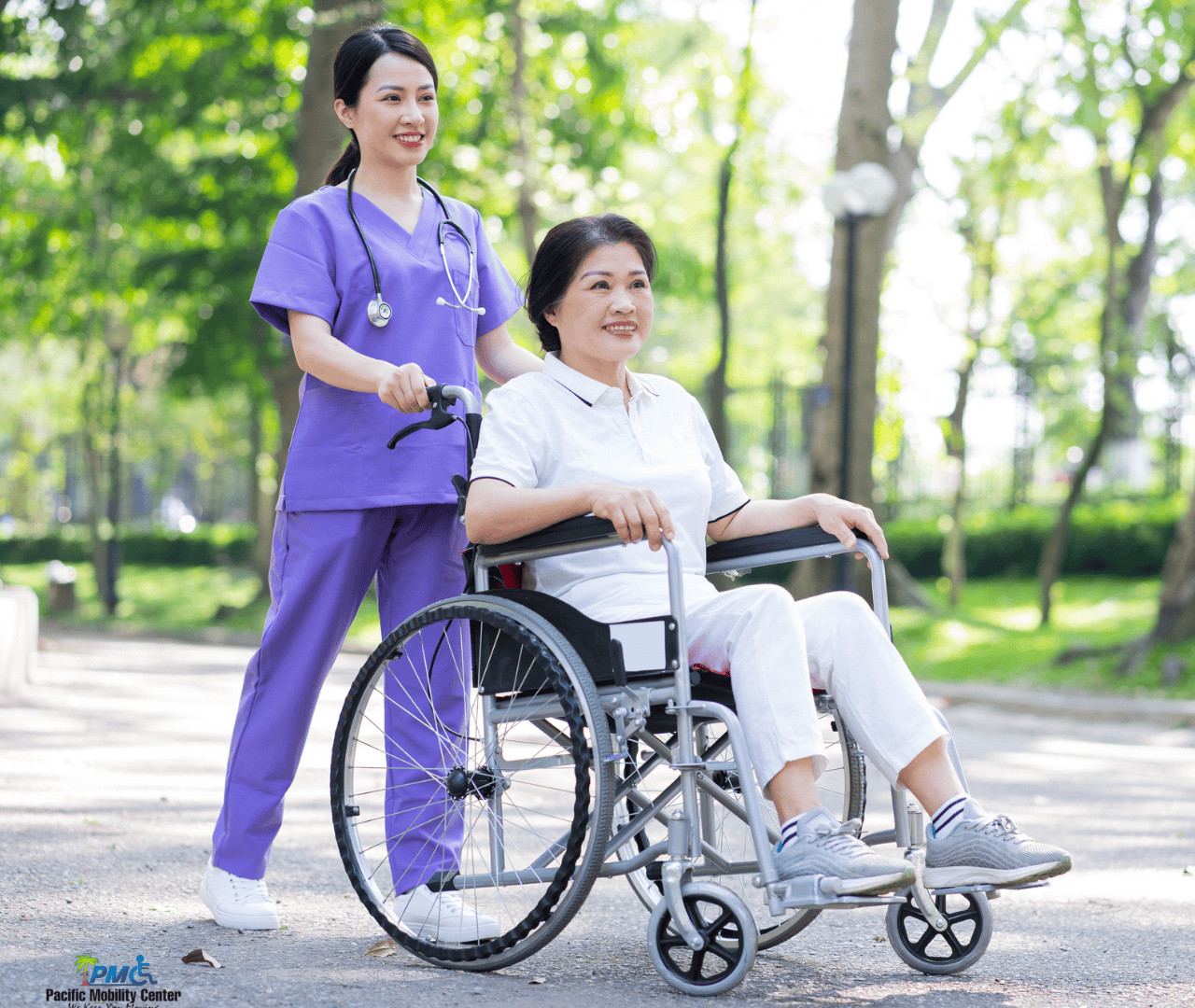
Recovering from a hospital stay or skilled nursing care can be challenging for seniors. After surgery, illness, or injury, regaining strength, balance, and independence takes time. Mobility devices play a crucial role in this process. They provide stability, reduce the risk of falls, and support seniors in performing daily activities safely. From the perspective of a home care service provider, mobility devices are not just tools. They are essential supports that help seniors regain confidence and independence during recovery.
Consider the story of Mr. Rao, a 78-year-old who recently completed a three-week stay in skilled nursing care after hip replacement surgery. Initially, he struggled with walking short distances and feared falling when returning home. His family worked with a home care team to introduce mobility aids such as a walker, grab bars, and a raised toilet seat. These simple modifications allowed him to move safely around his home, gradually regain strength, and resume daily activities without the constant fear of injury. His story illustrates how mobility devices are vital for safe and effective recovery.
The following content outlines practical tips and step by step strategies for caregivers and families to support seniors using mobility devices after skilled nursing care.
Start with a Professional Assessment
Before introducing mobility devices, a professional assessment is essential. A physical therapist or home care specialist can evaluate the senior’s abilities and determine which device provides the best support.
Step by step assessment tips
- Schedule a home assessment with a mobility expert.
- Observe walking patterns, balance, and muscle strength
- Identify areas of the home that may pose risks, such as stairs or narrow hallways.
- Review medical history and recent procedures to understand limitations.
- Test different devices to ensure comfort and safety.
- Create a personalized mobility plan tailored to recovery goals.
Professional guidance ensures that the device supports recovery without causing strain or injury.
Choose the Right Mobility Device
The type of device needed depends on the senior’s strength, balance, and activity level. Options include walkers, canes, rollators, wheelchairs, and stair lifts.
Step by step selection tips
- Determine if the senior needs full support, partial support, or balance assistance.
- Select a walker or rollator for individuals who require stability and support when walking.
- Consider a cane for those with mild balance challenges.
- Use wheelchairs for longer distances or when fatigue limits walking.
- Install stair lifts for multi-level homes to prevent falls on stairs.
- Ensure devices are properly adjusted for height and comfort.
Choosing the right mobility device helps seniors move confidently and safely.
Adapt the Home Environment
Even with mobility aids, an unsafe home can slow recovery. Modifying the environment reduces risk and enhances independence.
Step by step home safety tips
- Remove loose rugs and clutter from hallways and rooms.
- Install grab bars near bathrooms, stairs, and other high-risk areas.
- Ensure adequate lighting in every room and along pathways.
- Use non slip mats in kitchens, bathrooms, and entryways.
- Arrange furniture to create clear walking paths.
- Keep frequently used items within easy reach to reduce bending and stretching.
A safe environment maximizes the benefits of mobility devices and prevents setbacks.
Support Daily Activities
Mobility devices allow seniors to perform essential daily tasks safely. Caregivers should guide them in integrating these aids into routines.
Step by step tips for daily activities
- Encourage walking short distances indoors before venturing outside.
- Assist with transferring from bed to chair or wheelchair using proper techniques.
- Provide support during bathing, dressing, and meal preparation.
- Use raised toilet seats or shower chairs as needed.
- Gradually increase activity as strength and confidence improve.
- Monitor for signs of fatigue or discomfort and adjust support accordingly.
Integrating mobility devices into daily routines promotes independence and accelerates recovery.
Encourage Safe Exercise and Rehabilitation
Exercise is essential for rebuilding strength and improving balance after skilled nursing care. Mobility devices allow seniors to exercise safely.
Step by step exercise tips
- Begin with low impact, short-duration exercises.
- Use a walker or cane for support during walking exercises.
- Include seated exercises to strengthen core and leg muscles.
- Practice balance exercises with support rails or mobility aids.
- Increase exercise duration gradually based on comfort and energy levels.
- Celebrate small milestones to motivate continued progress.
Safe exercise supports faster recovery and helps seniors regain independence.
Teach Correct Use of Mobility Devices
Even the most suitable device is ineffective if used incorrectly. Proper guidance is essential to prevent falls and injuries.
Step by step usage tips
- Keep the walker or cane close to the body for stability.
- Step forward before moving the walker.
- Avoid leaning heavily on one side or overextending joints.
- Use both hands on walkers when possible.
- Ensure correct posture during transfers and movement.
- Supervise initial use until the senior is confident and safe.
Correct use of devices reinforces independence while minimizing risks.
Monitor Progress and Adjust
Recovery is dynamic. Seniors’ abilities change over time, and mobility devices should adapt to their progress.
Step by step monitoring tips
- Track walking distance, balance, and endurance daily.
- Observe for pain or discomfort when using devices.
- Adjust equipment height and support features as needed.
- Reassess home environment periodically for new hazards.
- Communicate regularly with healthcare providers for updates.
- Celebrate improvements to encourage continued effort and independence.
Monitoring progress ensures mobility devices remain effective and safe throughout recovery.
Build Confidence and Independence
Mobility devices are more than physical aids. They help seniors regain confidence, independence, and a sense of control over daily life.
Step by step confidence tips
- Encourage seniors to use devices consistently in safe settings.
- Support small, achievable goals for movement and activity.
- Celebrate accomplishments, no matter how minor.
- Gradually increase independence while providing reassurance.
- Include social or recreational activities that involve movement.
- Maintain open communication about concerns or fears.
Confidence enhances recovery and promotes a higher quality of life after skilled nursing care.
Final Thoughts
Mobility devices are essential for seniors recovering from skilled nursing care. From a home care provider’s perspective, these aids provide stability, promote safe movement, and support independence. By assessing needs, selecting appropriate devices, adapting the home environment, supporting daily activities, encouraging exercise, teaching proper use, monitoring progress, and building confidence, caregivers can ensure seniors recover safely and effectively. Mobility devices transform the home into a safe space where seniors can regain strength, confidence, and independence.
Legal Disclaimer: This post is strictly for educational use and should not be construed as professional advice (medical, legal, financial, or otherwise).