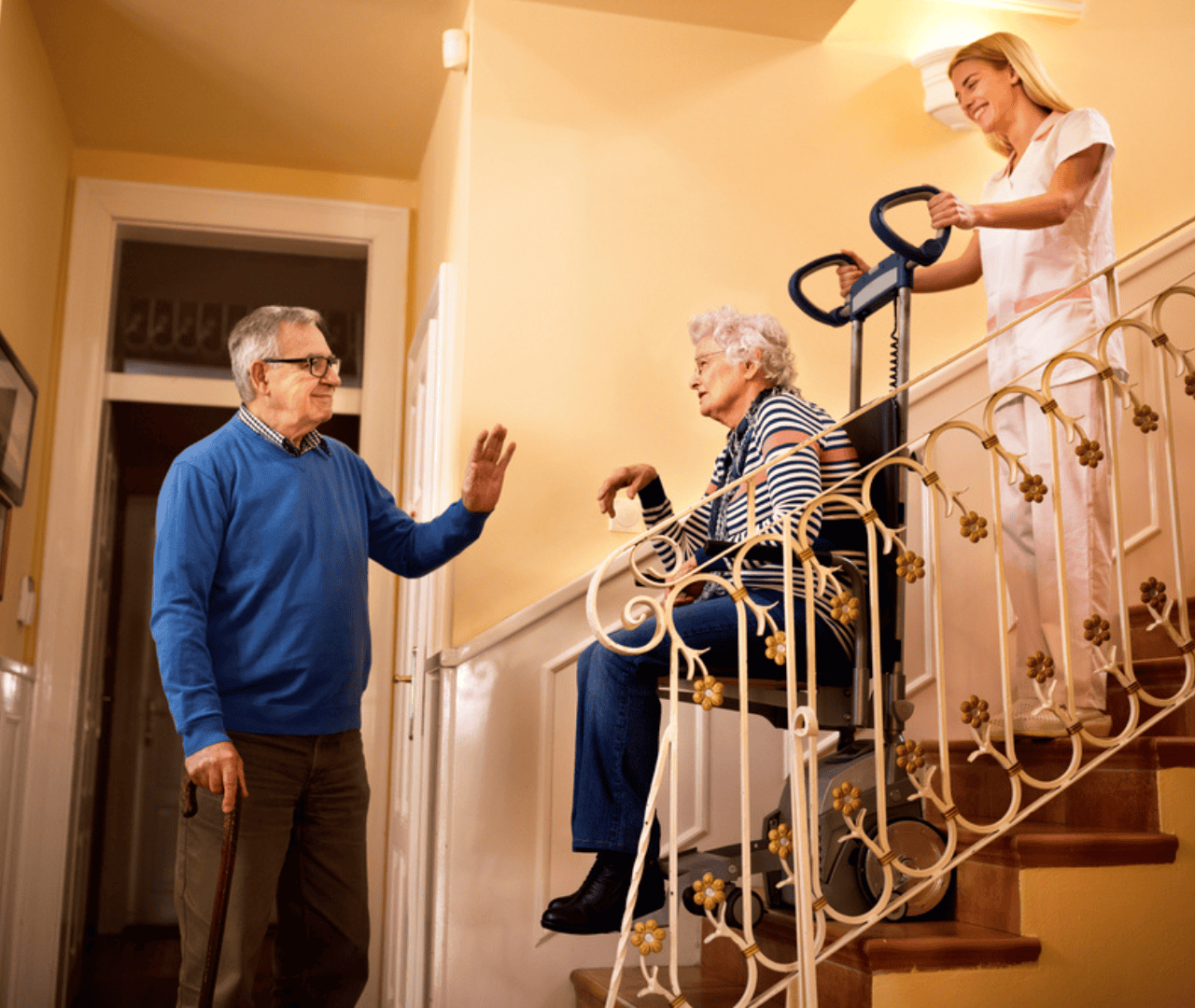
For many seniors, the staircase represents one of the most intimidating and dangerous parts of the home. Each step can bring uncertainty—whether due to arthritis, reduced balance, or simply the worry of falling. A stair lift transforms that daily challenge into a safe, reliable, and stress-free experience. By offering secure seating and smooth transport between floors, stair lifts reduce the risk of falls, promote independence, and ease the strain on caregivers.
Why stairs are a top fall risk for seniors
Falls remain the leading cause of injury among older adults, according to the Centers for Disease Control and Prevention (CDC). Among household hazards, stairways consistently rank high in accident statistics. Even seniors who feel steady on their feet may face unexpected risks when climbing stairs.
Common challenges include:
- Balance and mobility issues – Many seniors struggle with uneven steps or difficulty lifting their feet high enough to climb safely.
- Arthritis and joint pain – Painful knees, hips, or backs can make stair climbing exhausting and unstable.
- Slippery conditions – Shoes dampened by winter weather often track water or ice indoors, creating slick steps.
- Carrying household items – Holding laundry, groceries, or holiday decorations reduces grip and stability.
- Poor lighting – Dim stairways, common in older homes, make it harder to judge depth and distance.
For seniors with even mild mobility concerns, navigating stairs can feel like an overwhelming risk. A stair lift removes that daily hazard, turning stair travel into a safe, controlled activity.
How stair lifts reduce fall risks
Unlike handrails or non-slip mats, stair lifts fully eliminate the need for seniors to climb steps. Key safety features include:
- Safe seating – Users ride in a comfortable, secure chair, avoiding the strain of stepping.
- Stable movement – The lift glides smoothly on a track, preventing loss of balance.
- Simple operation – Easy-to-use remotes or buttons require minimal strength or dexterity.
- Secure design – Safety belts, armrests, and swivel seats provide stability during every ride.
- Year-round reliability – With built-in backup batteries, stair lifts work even during winter power outages.
These features combine to make stair lifts one of the most effective home modifications for fall prevention.
Why November is an ideal time for stair lifts
The colder months bring unique challenges, making November the perfect time to plan for stair lift installation.
- Winter hazards – Ice, snow, and wet shoes make indoor steps dangerously slippery.
- Holiday gatherings – Seniors often need to move between floors to join family celebrations, access bedrooms, or reach dining areas.
- National Home Care & Hospice Month – A timely reminder that safe homes are essential for those receiving care.
- National Family Caregivers Month – Installing a stair lift relieves caregivers from the worry and strain of helping loved ones on stairs.
By preparing before snow and ice arrive, families ensure seniors can move safely and confidently during the busiest, most social season of the year.
Benefits beyond safety
While the primary goal of a stair lift is to prevent falls, the advantages extend much further:
- Independence – Seniors no longer need to wait for assistance to access another floor.
- Comfort – Painful stair climbing is replaced with smooth, effortless transport.
- Peace of mind – Families feel reassured knowing loved ones can move safely around the home.
- Aging in place – Stair lifts make it possible for seniors to remain in multi-level homes longer, avoiding premature moves to assisted living.
In many cases, a stair lift isn’t just about safety—it’s about preserving the freedom to live fully at home.
Types of stair lifts to consider
Different homes and mobility needs require different stair lift solutions:
- Straight stair lifts – Ideal for simple, single-run staircases.
- Curved stair lifts – Custom-built for staircases with turns, spirals, or landings.
- Outdoor stair lifts – Weather-resistant models designed for porch or deck stairs.
- Heavy-duty stair lifts – Built for higher weight capacities and frequent use.
A professional consultation can help families choose the most practical and cost-effective option for their needs.
Tips for making stair lift use even safer
Even with advanced safety features, a few best practices ensure optimal stair lift performance:
- Keep stairs and lift tracks clear of clutter.
- Maintain strong lighting along stairways.
- Encourage consistent use of safety belts and armrests.
- Clean the track regularly to prevent debris buildup.
- Schedule annual professional maintenance for reliability.
These small steps maximize the safety and longevity of the stair lift investment.
Long-term impact of stair lifts
Although installing a stair lift in November helps address winter hazards, the benefits last year-round:
- Daily safety – Eliminates fall risks every day, not just during icy months.
- Emergency access – Ensures seniors can reach all levels of the home during unexpected events.
- Caregiver relief – Reduces the physical and emotional strain of constant stair assistance.
- Added home value – Accessibility improvements can appeal to future buyers or family members with mobility needs.
Ultimately, stair lifts create a long-term solution that supports independence and safety for years to come.
Final thought
Stair lifts dramatically reduce the risk of falls for seniors by eliminating one of the most hazardous areas of the home—the staircase. Installed ahead of the holiday season, they prepare families for winter weather, social gatherings, and the unique challenges of aging in place. Beyond safety, stair lifts provide independence, comfort, and peace of mind, making them a worthwhile investment for families who want to keep their loved ones safe at home.
A stair lift is more than a mobility aid—it’s a commitment to dignity, security, and the freedom to enjoy every part of the home without fear.