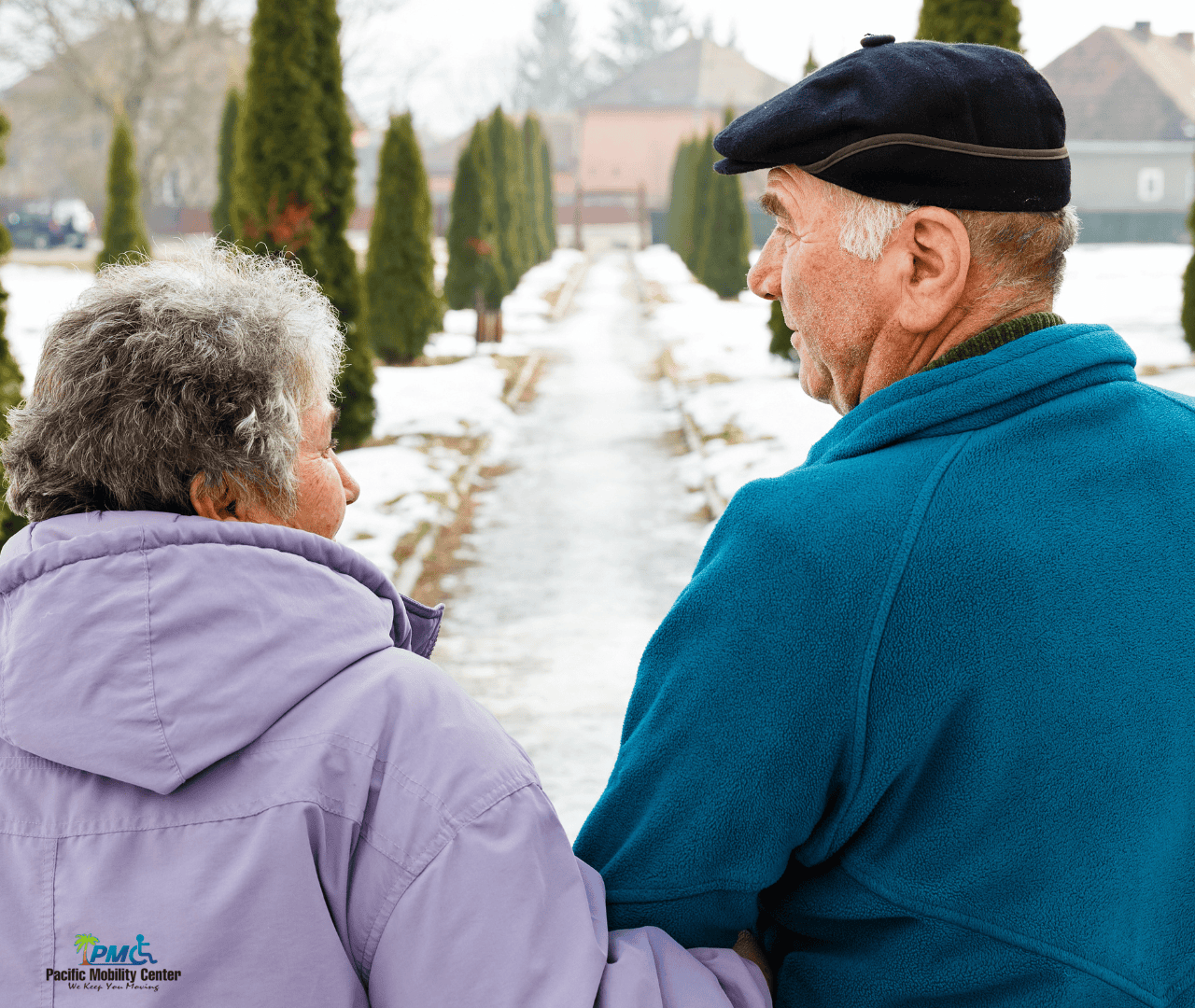
January brings a fresh start, but it can also be a challenging month for elderly family members. Cold weather, slippery pathways, limited daylight and post-holiday fatigue can increase the risk of accidents, emotional stress, and mobility difficulties. As a mobility service provider, we see how a few simple safety checks can make a world of difference for older loved ones who want to stay active, comfortable, and safe at home.
Below are practical steps you can take this month to protect your elderly family members both physically and emotionally, while empowering them to live with confidence in 2026.
1. Start the Year With a Home Mobility Safety Review
A home that once felt familiar can become more difficult to navigate as mobility changes. January is the perfect time to walk through the home and identify potential hazards.
What to Check
- Loose rugs and clutter that could cause tripping.
- Slippery floors, especially in kitchens and bathrooms.
- Poor lighting, especially around stairs and hallways.
- Furniture that blocks the walkway makes movement difficult.
- Unsteady handrails or weak stair supports.
A quick assessment can uncover small changes that prevent major injuries. For example, installing a brighter light or replacing a rug with non-slip flooring can restore independence instantly.
2. Pay Special Attention to Bathroom Safety
The bathroom is one of the most common places where older adults fall. Thankfully, it’s also one of the easiest spaces to upgrade.
Simple Bathroom Safety Additions
- Grab bars near the toilet and in the shower.
- A shower chair or bench for added stability.
- Non-slip mats inside and outside the tub.
- Raised toilet seats for easier transfers.
- A handheld shower head to reduce bending or stretching.
These upgrades not only protect physical safety but also preserve emotional dignity. Your loved one feels capable and confident, rather than anxious or dependent.
3. Review Mobility Aids for Fit and Function
Mobility aids are only effective when they fit properly and are in good working condition.
Check Whether:
- A walker or rollator is the correct height.
- Wheels and brakes are functioning smoothly.
- Cane tips are worn out and need replacing.
- The user still feels stable, or another device may help more.
Sometimes, simply adjusting the height of a walker or replacing a worn-out tip can reduce the risk of falls significantly. This is the type of support that not only improves movement but also improves the emotional comfort your loved one feels safer and less afraid of falling.
4. Ensure Safe Winter Pathways and Outdoor Access
January weather can be unpredictable and dangerous. Even if your elderly family member rarely goes outside, emergencies do happen.
Outdoor Safety Steps
- Clear snow and ice from walkways promptly.
- Add non-slip treads to stairs and ramps.
- Improve outdoor lighting for evenings and early mornings.
- Make sure railings are strong enough to support the full weight.
If your loved one uses a mobility device, consider winter-friendly accessories, such as wheels designed for outdoor stability or gloves with improved grip for using assistive devices in the cold.
5. Support Emotional Well-Being Through Daily Check-Ins
Safety checks are not only about preventing falls or injuries. January can be emotionally heavy for many elderly individuals. After the holiday gatherings end, loneliness, seasonal sadness, or anxiety can affect mood and overall well-being.
Ways to Support Emotional Safety
- Schedule regular calls or video chats.
- Help organize winter activities like puzzles, reading, or small hobbies.
- Offer rides to social events, medical appointments, or community gatherings.
- Encourage gentle indoor exercise to lift mood and keep muscles strong.
Even five minutes spent connecting can bring comfort, reduce isolation, and improve confidence, just as valuable as any physical safety check.
6. Encourage Safe, Light Winter Movement
Mobility declines faster during the winter months because people naturally move less. Encouraging safe daily movement helps maintain strength and balance.
Activities to Try
- Short indoor walks around the home.
- Light stretching routines guided by professionals.
- Chair exercises for flexibility and posture.
- Using pedal exercisers or step platforms designed for seniors.
Movement not only supports physical mobility but also enhances emotional health. It reduces stiffness, increases confidence, and creates a sense of purpose.
7. Review Emergency Preparedness Together
Simple safety checks include preparing for emergencies. Elderly family members should feel supported, not afraid.
January Emergency Prep Tips
- Ensure phones are fully charged and easy to access.
- Update emergency contact lists.
- Keep flashlights and batteries accessible.
- Prepare a winter essentials kit with medications, a blanket, and water.
- Make sure medical alert devices are functioning and worn daily.
This preparation gives both you and your loved one peace of mind throughout the winter season.
8. When in Doubt, Seek Professional Mobility Support
Sometimes, families don’t know where to start or what changes truly matter. A professional mobility assessment can reveal solutions you may not have considered, such as:
- Stairlifts
- Ramps
- Bed rails
- Transfer aids
- Lift chairs
- Fall-prevention technology
These additions are designed to restore independence, reduce daily sstressand create a safer, more comfortable living environment.
The Start of a Safer, Happier Year
A few thoughtful safety checks at the beginning of January can help keep your elderly family members protected physically, emotionally, and mentally. By focusing on a safer home, better mobility, and steady emotional support, you give your loved ones the greatest gift possible: the ability to move confidently and live with dignity throughout the winter and beyond.