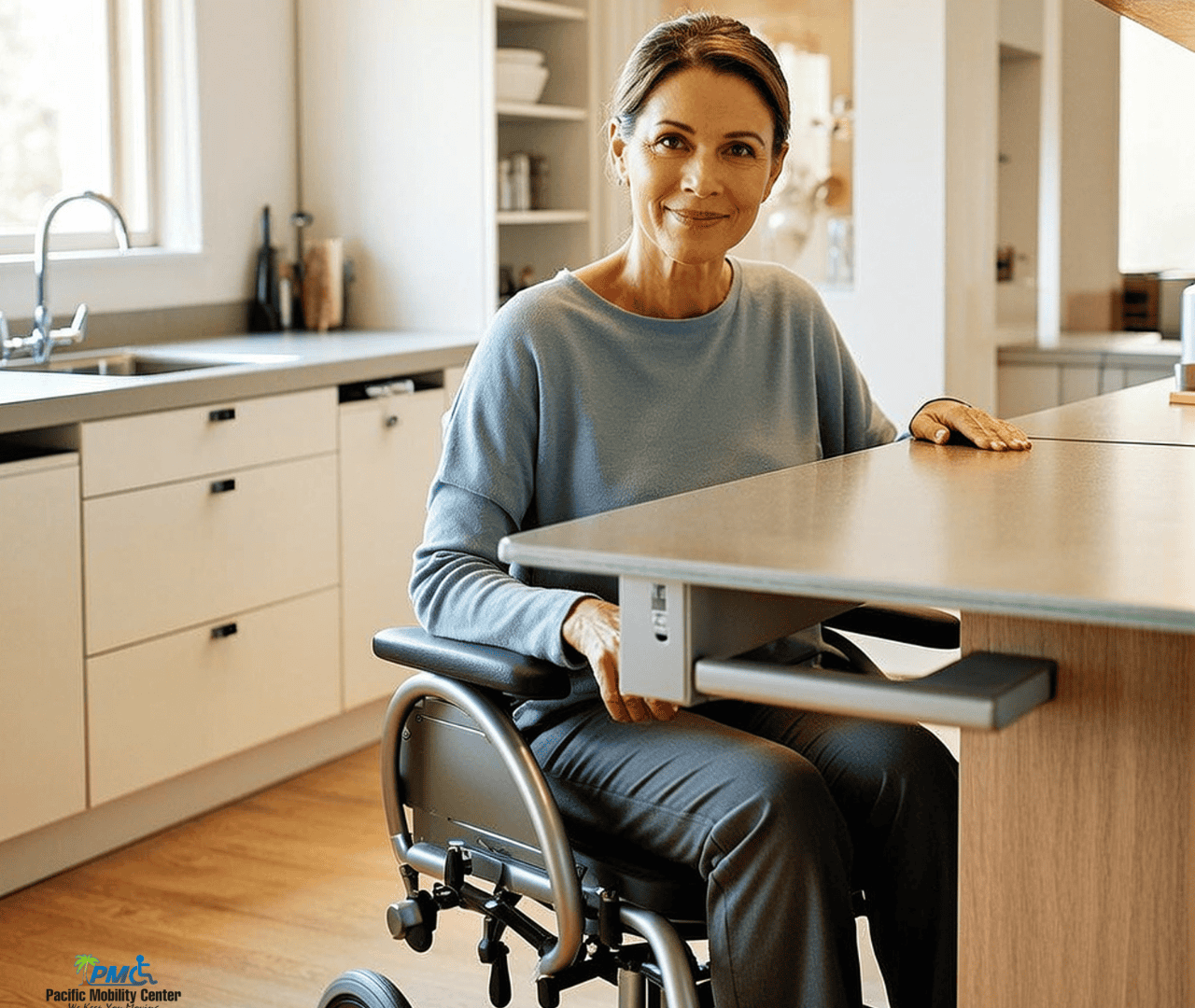
Better home design can support communication needs during Effective Communications Month by reducing noise, improving visibility, and making it easier for people to interact clearly and comfortably. Simple changes in layout, lighting, and materials can help people hear, see, and respond better in daily conversations.
Communication at home is important for emotional well-being, safety, and relationships. However, many homes are not designed with communication in mind. Background noise, poor lighting, and cluttered spaces can make it harder to understand speech or notice visual cues. This can be especially challenging for seniors, people with hearing or vision issues, and those recovering from illness.
Why does home design affect communication?
The way a home is designed can either support or block clear communication. Sound, light, and space all play a role in how people interact.
Common challenges include:
- Echo or background noise that makes speech hard to hear
- Poor lighting that hides facial expressions
- Furniture placement that blocks eye contact
- Distractions from TVs or appliances
Improving these factors can make conversations easier and more effective.
How can reducing noise improve communication?
Noise is one of the biggest barriers to clear communication. Even small background sounds can make it hard to understand speech.
Ways to reduce noise:
- Use soft materials like carpets, curtains, and cushions
- Add wall panels or rugs to absorb sound
- Turn off TVs or appliances during conversations
- Choose quiet areas of the home for important discussions
A quieter space helps people focus and listen better.
How does lighting support better interaction?
Good lighting helps people see facial expressions, lip movements, and body language. These visual cues are important for understanding speech.
Improve lighting by:
- Using bright, even lighting in common areas
- Avoiding strong shadows or glare
- Placing lights in front of the speaker, not behind
- Using natural light during the day when possible
Better lighting makes communication clearer and more comfortable.
Why is layout and seating important?
The way furniture is arranged can affect how people talk and listen to each other. Good layout supports eye contact and reduces strain.
Helpful layout tips:
- Arrange seating in a circle or face-to-face setup
- Keep pathways clear to avoid distractions
- Avoid placing chairs too far apart
- Create a dedicated quiet space for conversations
This setup encourages direct and comfortable interaction.
How can technology improve communication at home?
Simple technology can make communication easier, especially for people with hearing or speech difficulties.
Useful tools include:
- Video calling devices for clear visual communication
- Hearing support devices or amplified phones
- Smart assistants for reminders and alerts
- Captioned TVs for better understanding
These tools help people stay connected and informed.
How does this connect to seasonal awareness?
Effective Communications Month is a good time to focus on improving how we connect at home. As people spend more time indoors during certain seasons, communication becomes even more important.
To support communication:
- Spend time in shared spaces without distractions
- Practice active listening
- Check that everyone can hear and see clearly
- Make small home improvements that support comfort
These steps help build stronger relationships and reduce misunderstandings.
How can home design support seniors and special needs?
Some people need extra support for communication due to age or health conditions.
Helpful adjustments include:
- Installing visual alerts for doorbells or alarms
- Using large-print labels or signs
- Reducing clutter to improve focus
- Creating calm and quiet spaces
These changes make communication more accessible and inclusive.
Why is planning important?
Improving communication at home does not require major changes. Small, thoughtful adjustments can make a big difference.
Before making changes:
- Identify areas with the most noise or poor lighting
- Ask family members about their needs
- Start with simple and affordable solutions
- Test changes and adjust as needed
Planning helps create a home that supports clear and effective communication.
What mistakes should be avoided?
Avoiding common issues can improve results.
Do not:
- Ignore background noise
- Use dim or uneven lighting
- Arrange furniture in ways that block interaction
- Rely only on technology without improving the space
A balanced approach works best.
Final thoughts
Better home design can greatly improve communication during Effective Communications Month. By reducing noise, improving lighting, and creating comfortable spaces, homes can support clear and meaningful interactions.
Small changes can lead to better understanding, stronger relationships, and a safer living environment. Clear communication starts with the right environment.
Legal Disclaimer: This post is strictly for educational use and should not be construed as professional advice (medical, legal, financial, or otherwise).