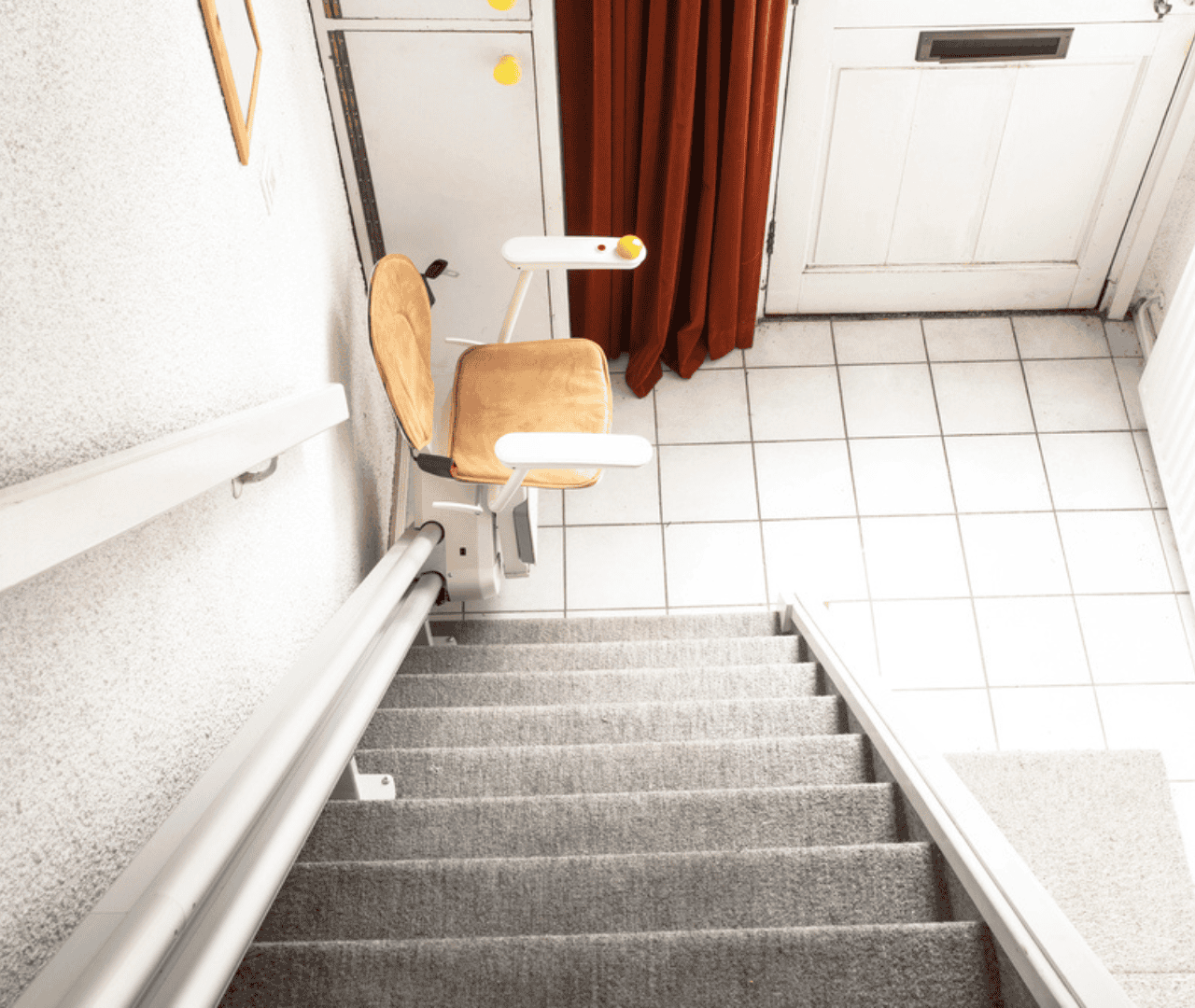
International Day of Persons with Disabilities, observed on December 3, highlights the importance of making homes more accessible for people with mobility challenges. In multi-level homes, stairs can become a major obstacle for older adults and individuals with physical disabilities. Stairlifts can help eligible users move between floors without climbing stairs, reducing physical effort and supporting greater independence. This observance encourages families to explore practical accessibility solutions that can make everyday activities safer, easier, and more comfortable.
Why Is International Day of Persons with Disabilities Important for Home Accessibility?
International Day of Persons with Disabilities promotes awareness, inclusion, and equal opportunities for people with disabilities.
Accessibility is often discussed in connection with public buildings, transportation, and workplaces. However, accessibility inside the home is equally important.
For people with limited mobility, everyday activities such as reaching an upstairs bedroom or accessing a downstairs living area may become difficult.
Multi-level homes can create additional challenges when stairs are the only way to move between floors.
This observance reminds families to identify accessibility barriers and consider improvements that support independence and dignity.
What Is a Stairlift and How Does It Work?
A stairlift is a motorized chair that travels along a rail installed beside a staircase.
The user sits in the chair while the lift carries them between floors.
Most stairlifts include controls that allow the user to operate the equipment while seated.
Depending on the model, additional features may include:
- Seat belts
- Swivel seats
- Folding footrests
- Obstruction sensors
- Battery-powered operation
- Remote controls
- Adjustable seating options
Stairlifts are available for different staircase designs, including straight and curved stairs.
A professional assessment helps determine which system is appropriate for the home and intended user.
How Can Stairlifts Make Multi-Level Homes More Accessible?
In a multi-level home, stairs connect important living spaces.
Bedrooms, bathrooms, kitchens, and family areas may be located on different floors.
When someone has difficulty climbing stairs, access to these areas can become limited.
A stairlift provides an alternative way to travel between levels without walking up or down the staircase.
This may help individuals continue using more areas of their homes.
However, stairlifts are not suitable for everyone. Users generally need to be able to sit safely, maintain an appropriate seated position, and transfer onto and off the lift.
Who May Benefit From Installing a Stairlift?
Stairlifts may be helpful for individuals who experience difficulty using stairs because of reduced strength, balance problems, joint discomfort, or other mobility limitations.
Potential users include:
- Older adults with reduced mobility
- Individuals with certain physical disabilities
- People experiencing difficulty climbing stairs
- Individuals recovering from some injuries or procedures
- People who become tired or uncomfortable when using stairs
The presence of a disability does not automatically mean that a stairlift is the right solution.
A healthcare professional or occupational therapist can help evaluate whether the individual can use the equipment safely.
How Can Stairlifts Support Greater Independence?
Independence often involves being able to participate in everyday activities with appropriate support.
For someone who struggles with stairs, moving between floors may require assistance from another person.
A suitable stairlift can reduce the need for physical assistance during stair travel.
This may allow eligible users to access bedrooms, living spaces, and other areas more conveniently.
It can also provide greater flexibility in daily routines.
The goal is not simply to install equipment but to help individuals maintain control over how they move around their homes.
Can Stairlifts Help Reduce Stair-Related Fall Risks?
Stairs can present challenges for people with limited balance, strength, or coordination.
Climbing stairs may become especially difficult when someone experiences fatigue or joint discomfort.
For an appropriate user, a stairlift can reduce the need to physically climb the staircase.
This may reduce exposure to certain hazards associated with stair climbing.
However, stairlifts do not eliminate all fall risks.
Users must still transfer safely onto and off the chair, remain seated correctly, and follow operating instructions.
Professional assessment, proper installation, and user training are essential.
What Should Families Consider Before Choosing a Stairlift?
Selecting a stairlift requires careful planning.
Families should evaluate both the person’s mobility needs and the home’s staircase.
Important considerations include:
- Whether the staircase is straight or curved
- Staircase width and available clearance
- The user’s height, weight, and seating needs
- Ability to transfer safely
- Location of upper and lower landings
- Power and battery requirements
- Available safety features
- Maintenance and service needs
A qualified installer should inspect the staircase before recommending equipment.
Families should also consider whether the user’s mobility needs are likely to change.
How Are Stairlifts Different From Wheelchair Platform Lifts?
Stairlifts and wheelchair platform lifts serve different accessibility needs.
A traditional stairlift carries a person while seated in an attached chair.
A wheelchair platform lift is designed to transport a person while remaining in a compatible wheelchair.
For wheelchair users who cannot safely transfer into a stairlift seat, a platform lift or another accessibility solution may be more appropriate.
The available space, structural requirements, and user’s abilities all affect equipment selection.
A professional accessibility assessment can help families compare suitable options.
Why Is Professional Stairlift Installation Important?
Stairlifts must be installed correctly to operate as intended.
The rail system, chair, electrical components, and safety mechanisms must be appropriate for the staircase.
Professional installation helps ensure that equipment is properly positioned and tested.
Installers should also explain how to operate the lift, use safety features, and respond to common operating problems.
Families should avoid unauthorized equipment modifications.
Installation must follow manufacturer instructions and applicable safety requirements.
How Can Families Maintain a Stairlift?
Regular maintenance helps keep stairlifts functioning properly.
Families should follow the manufacturer’s inspection and service recommendations.
Basic maintenance practices may include:
- Keeping the rail clear of obstacles
- Checking for visible damage
- Confirming that controls operate correctly
- Monitoring battery charging
- Inspecting the seat belt and footrest
- Scheduling recommended professional servicing
Users should stop operating the lift if it behaves unexpectedly or develops a suspected safety problem.
Repairs should be performed by qualified technicians.
Can Stairlifts Help Older Adults Age in Place?
Many older adults prefer to remain in familiar homes as their mobility needs change.
However, stairs can make multi-level living more challenging.
A suitable stairlift may help an older adult continue accessing different floors without repeatedly climbing stairs.
This can be particularly useful when important rooms are located upstairs.
Stairlifts may also complement other accessibility improvements, including bathroom grab bars, improved lighting, accessible entrances, and wheelchair ramps.
A complete home accessibility assessment can help identify which changes would provide the greatest practical benefit.
Why Should Families Review Home Accessibility Needs Regularly?
Mobility needs can change over time.
A person who previously managed stairs independently may begin experiencing greater difficulty because of aging, illness, or a physical disability.
Families should pay attention to changes in balance, endurance, strength, and confidence when using stairs.
Regular accessibility reviews can help identify whether additional support is needed.
International Day of Persons with Disabilities provides a meaningful opportunity to begin these conversations, but home accessibility should remain a priority throughout the year.
Stairlifts can offer an important mobility solution for eligible individuals living in multi-level homes. By choosing appropriate equipment, arranging professional installation, and following safe operating practices, families can help make movement between floors more manageable.
Creating an accessible home is about more than convenience. It is about supporting dignity, comfort, participation, and independence for people with disabilities and older adults.
Legal Disclaimer: This post is strictly for educational use and should not be construed as professional advice (medical, legal, financial, or otherwise).