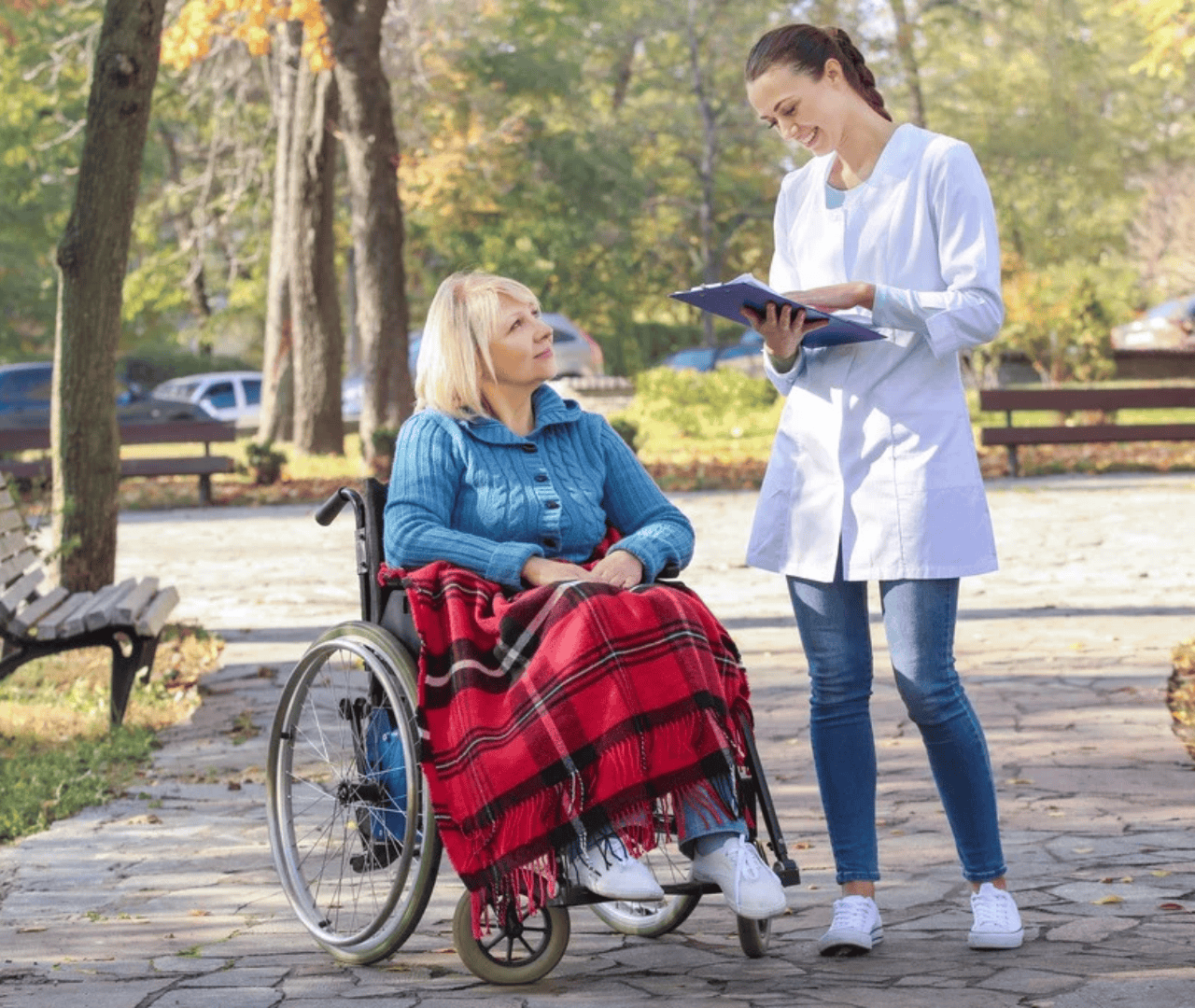
National Alzheimer’s Disease Awareness Month can encourage families to look closely at how easily and comfortably an older adult with memory or cognitive changes can move around the home. Changes in judgment, perception, balance, familiarity with surroundings, or the ability to follow routines may make everyday movement more challenging for some people. Simple home modifications, appropriate mobility equipment, better lighting, and professional guidance may help create a more supportive environment while preserving as much independence as possible.
Why Can Alzheimer’s Disease Affect Movement Around the Home?
Alzheimer’s disease is usually associated with memory loss, but changes can affect many aspects of everyday functioning.
Depending on the individual and stage of the condition, someone may have difficulty recognizing familiar surroundings, judging distances, remembering how to complete a task, or responding appropriately to obstacles.
Physical health conditions may also affect strength, balance, vision, or mobility.
Families should not automatically assume that every change is caused by Alzheimer’s disease. New or worsening changes in walking, balance, coordination, or behavior should be discussed with an appropriate healthcare professional.
What Home Hazards Should Families Look For?
A home that was easy to navigate for many years may become more challenging as someone’s needs change.
Families can periodically walk through the home and look for potential obstacles such as:
- Cluttered walking paths
- Loose rugs
- Electrical cords across floors
- Poor lighting
- Difficult stairways
- Furniture blocking common routes
- Uneven flooring
- Frequently used items stored out of easy reach
- Difficult entrances or exterior steps
The goal is not necessarily to redesign the entire house. Small, thoughtful changes may make everyday routes easier to understand and navigate.
Why Is Good Lighting Important?
Adequate lighting can make obstacles, steps, doorways, and changes in floor surfaces easier to see.
Families can check commonly traveled areas such as hallways, stairways, bathrooms, bedrooms, kitchens, and entrances.
Nighttime routes deserve particular attention.
For example, the path between the bedroom and bathroom should be easy to navigate without unnecessary obstacles.
Lighting choices should be appropriate for the individual. Excessive glare or confusing shadows may also create difficulties for some older adults.
How Can Families Make Walking Paths Easier to Navigate?
Simple and predictable surroundings may make movement easier for someone experiencing cognitive changes.
Frequently traveled routes should be kept as clear as practical.
Furniture arrangements that require someone to weave around multiple objects may become increasingly difficult to navigate.
Families should also think about consistency.
Frequently changing furniture locations or placing unfamiliar objects in established walking paths could create additional confusion.
The best home arrangement depends on the person’s abilities, preferences, mobility, and specific needs.
Can Grab Bars and Handrails Help?
Appropriately selected and installed grab bars or handrails may provide useful support in certain areas.
Bathrooms, stairs, and other locations where a person needs additional stability are common places to consider.
However, simply purchasing a grab bar does not guarantee that it is appropriate or safely installed.
The location, mounting method, wall structure, and individual user’s needs matter.
A qualified accessibility professional or occupational therapist can help families determine which modifications may be appropriate.
When Might a Stairlift Be Considered?
Stairs can become challenging when cognitive changes occur alongside arthritis, weakness, balance difficulties, or other mobility limitations.
A stairlift provides a powered seat that travels along a rail attached to the staircase.
For an appropriate user, it may provide another way to travel between floors without repeatedly climbing the stairs.
However, a stairlift is not suitable for everyone.
The individual must be able to use the equipment appropriately, including getting on and off safely and understanding how the controls work.
Families should seek professional assessment rather than assuming a stairlift is automatically the right solution for someone with Alzheimer’s disease.
Could a Ramp or Porch Lift Improve Home Access?
Exterior steps may become another obstacle.
Depending on the individual and property, a properly designed ramp may improve access for someone using a walker, wheelchair, or other mobility aid.
When there is not enough appropriate space for a ramp, a residential porch lift, sometimes called a vertical platform lift, may be another option.
Choosing between these solutions depends on factors such as available space, elevation, mobility equipment, weight capacity, weather exposure, local requirements, and the individual’s abilities.
Professional evaluation and installation are important.
How Can Bathrooms Be Made More Supportive?
Bathrooms combine several potential challenges, including limited space, transfers, water, and slippery surfaces.
Families can evaluate whether the older adult can comfortably reach and use the toilet, sink, and bathing area.
Depending on individual needs, possible modifications might include appropriate grab bars, seating, improved lighting, or other accessibility equipment.
An occupational therapist or qualified accessibility professional may be able to recommend changes based on how the person actually uses the bathroom.
Why Should Families Consider Familiarity When Making Changes?
For someone living with Alzheimer’s disease, familiarity can be important.
Making numerous major changes to the home at the same time could potentially create additional confusion for some individuals.
Whenever possible, families can focus on making the environment easier to navigate while preserving familiar routines and recognizable surroundings.
Changes should address the individual’s actual needs rather than following a generic checklist.
As Alzheimer’s disease progresses, those needs may change, making periodic reassessment important.
Can Mobility Equipment Prevent Falls?
No mobility product can guarantee that someone will not fall.
Walkers, canes, stairlifts, ramps, grab bars, wheelchairs, and other accessibility products may support mobility when they are properly selected and used, but suitability depends on the individual.
Using inappropriate equipment can sometimes create additional difficulties.
A healthcare professional, physical therapist, occupational therapist, or qualified mobility specialist can help determine whether a particular device is appropriate.
Why Is November a Good Time for a Home Mobility Review?
National Alzheimer’s Disease Awareness Month in November gives families a natural opportunity to review how an older loved one is functioning at home.
It also comes as the holiday season begins.
Family members who visit during Thanksgiving or other gatherings may notice changes in walking, stair use, balance, or everyday routines that were less obvious during shorter visits.
Rather than waiting for a crisis, families can use these observations to begin respectful conversations and seek professional guidance when necessary.
How Can Alzheimer’s Awareness Support Independence at Home?
Creating a more supportive home does not mean taking away an older adult’s independence.
The goal should be to make everyday activities manageable while respecting the person’s abilities, preferences, dignity, and changing needs.
National Alzheimer’s Disease Awareness Month can encourage families to examine lighting, walking paths, stairs, entrances, bathrooms, and mobility equipment before difficulties become more significant.
Combined with appropriate healthcare guidance and periodic reassessment, thoughtful accessibility changes may help create a home environment that better supports movement, familiarity, comfort, and independence as an older adult’s needs evolve.
Legal Disclaimer: This post is strictly for educational use and should not be construed as professional advice (medical, legal, financial, or otherwise).