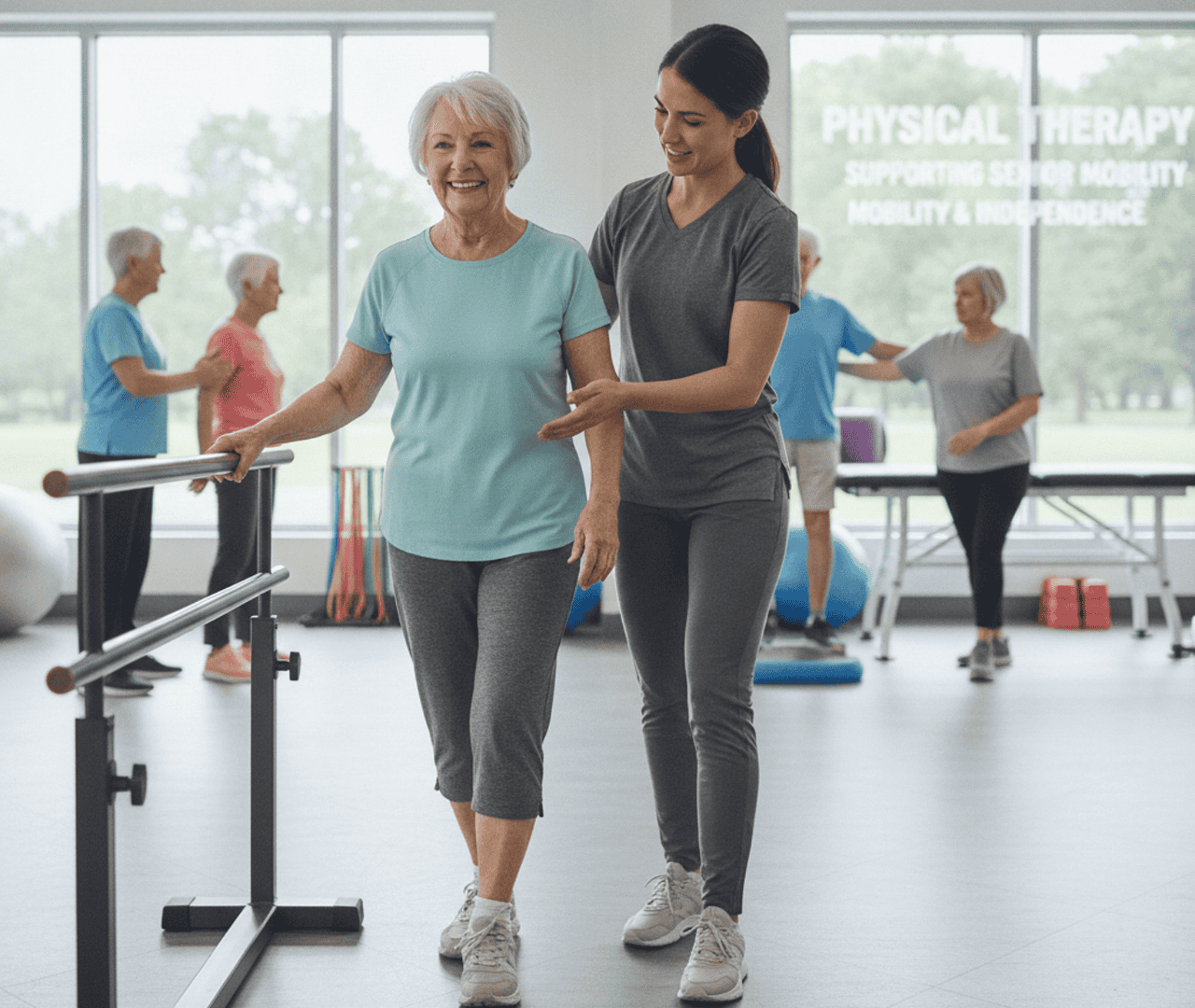
Recreational activities can improve mobility for older adults by increasing strength, flexibility, balance, coordination, and endurance. Regular participation in enjoyable activities helps seniors stay physically active, maintain independence, reduce the risk of falls, and support overall health. During every season of the year, recreational activities provide opportunities for older adults to stay engaged while promoting healthy aging.
As people age, maintaining mobility becomes an important part of preserving quality of life. Mobility affects a person’s ability to perform daily tasks, participate in social activities, and remain independent. Recreational activities offer a fun and effective way to support movement while encouraging physical, mental, and emotional well-being.
Why Mobility Matters for Older Adults
Mobility allows older adults to move safely and confidently throughout their daily lives. Good mobility supports independence and makes it easier to participate in activities that contribute to overall wellness.
Benefits of maintaining mobility include:
- Greater independence
- Improved balance and coordination
- Reduced risk of falls
- Better physical health
- Increased confidence
- More social engagement
- Enhanced quality of life
When mobility declines, simple tasks such as walking, climbing stairs, or getting out of a chair can become more difficult. Recreational activities help older adults stay active and maintain important movement skills.
What Are Recreational Activities?
Recreational activities are enjoyable activities that encourage participation, movement, and social interaction. These activities can be adapted to different ability levels and interests.
Examples include:
- Walking groups
- Gardening
- Dancing
- Swimming
- Chair exercises
- Nature walks
- Stretching classes
- Tai Chi
- Group games
- Community events
Because recreational activities are enjoyable, many older adults are more likely to participate consistently compared to traditional exercise programs.
How Recreational Activities Improve Strength
Muscle strength naturally decreases with age. Reduced strength can make everyday movements more challenging and increase the risk of falls.
Many recreational activities encourage movement that helps strengthen muscles.
Activities that support strength include:
- Gardening
- Water exercises
- Dancing
- Walking programs
- Resistance-based group fitness classes
Improved muscle strength can make daily tasks easier, including:
- Carrying groceries
- Rising from a chair
- Climbing stairs
- Walking longer distances
Maintaining strength helps older adults remain active and independent.
Supporting Better Balance and Coordination
Balance is a key factor in mobility and fall prevention. Recreational activities often involve movements that challenge balance and coordination in safe and controlled ways.
Helpful activities include:
- Tai Chi
- Dance classes
- Walking on level paths
- Balance-focused fitness programs
- Gentle yoga
Benefits of improved balance may include:
- Increased confidence while walking
- Reduced fall risk
- Better posture
- Improved stability
Regular participation can help older adults feel safer when moving through their homes and communities.
Increasing Flexibility and Joint Mobility
Joint stiffness can make movement uncomfortable and limit participation in daily activities. Recreational activities often include gentle stretching and range-of-motion movements that help improve flexibility.
Benefits of flexibility training include:
- Easier movement
- Reduced stiffness
- Improved posture
- Greater comfort during daily tasks
- Better overall mobility
Activities such as yoga, stretching classes, and water-based exercise programs can be especially helpful for maintaining joint mobility.
Improving Endurance and Stamina
Endurance allows older adults to stay active for longer periods without becoming overly fatigued.
Recreational activities that support endurance include:
- Walking
- Swimming
- Cycling
- Low-impact aerobic classes
- Outdoor recreational activities
Improved endurance can help seniors:
- Complete household tasks more easily
- Participate in social activities
- Enjoy community events
- Stay active throughout the day
Building endurance gradually can support long-term mobility and overall health.
How Recreational Activities Support Mental Health
Physical mobility and emotional well-being are closely connected. Recreational activities provide opportunities for enjoyment, achievement, and social interaction.
Mental health benefits may include:
- Reduced stress
- Improved mood
- Increased confidence
- Reduced feelings of loneliness
- Greater sense of purpose
Participating in enjoyable activities can motivate older adults to remain active while supporting emotional wellness.
A positive outlook often encourages continued engagement in healthy habits and daily movement.
Reducing Social Isolation
Social isolation can negatively affect both physical and emotional health. Recreational activities create opportunities for meaningful social connections.
Group activities allow older adults to:
- Meet new people
- Build friendships
- Participate in community events
- Share experiences
- Stay connected with others
Strong social connections can encourage continued participation in physical activities and contribute to overall well-being.
Community involvement also helps many seniors maintain a sense of belonging and purpose.
Seasonal Opportunities for Outdoor Mobility
Every season offers unique opportunities for recreational activities that promote movement.
Depending on weather conditions, older adults may enjoy:
- Walking in parks
- Gardening
- Outdoor fitness classes
- Nature observation
- Community festivals
- Group outings
During warmer months, activities can be scheduled during cooler morning or evening hours to improve comfort and safety.
Seasonal activities provide variety and encourage continued participation throughout the year.
How Caregivers and Families Can Help
Family members and caregivers can play an important role in encouraging recreational participation.
Helpful strategies include:
- Identifying activities that match personal interests
- Participating together when possible
- Providing transportation
- Encouraging consistent involvement
- Celebrating progress and achievements
- Choosing activities that fit physical abilities
Support from loved ones can increase confidence and motivation while helping older adults remain active.
Choosing Safe Recreational Activities
Before beginning a new recreational program, older adults should consider their current health status and physical abilities.
Safety tips include:
- Starting slowly
- Wearing appropriate footwear
- Staying hydrated
- Taking breaks when needed
- Using mobility aids when appropriate
- Following healthcare recommendations
Activities should be enjoyable, comfortable, and suited to individual needs.
A gradual approach often leads to better long-term participation and success.
Healthy Aging Through Recreation
Healthy aging involves maintaining physical function, social engagement, and emotional well-being. Recreational activities support all three areas while making movement enjoyable.
Regular participation can help older adults:
- Stay physically active
- Preserve mobility
- Maintain independence
- Strengthen social connections
- Improve overall wellness
Whether through walking, dancing, gardening, swimming, or group fitness programs, recreation offers valuable opportunities to support mobility and quality of life.
Conclusion
Recreational activities improve mobility for older adults by enhancing strength, balance, flexibility, coordination, and endurance. They also support emotional well-being and social engagement, which are important parts of healthy aging. By participating in enjoyable recreational activities throughout the year, seniors can remain active, maintain independence, reduce fall risks, and enjoy a higher quality of life. Families and caregivers can help by encouraging safe and meaningful activities that support long-term health and mobility.