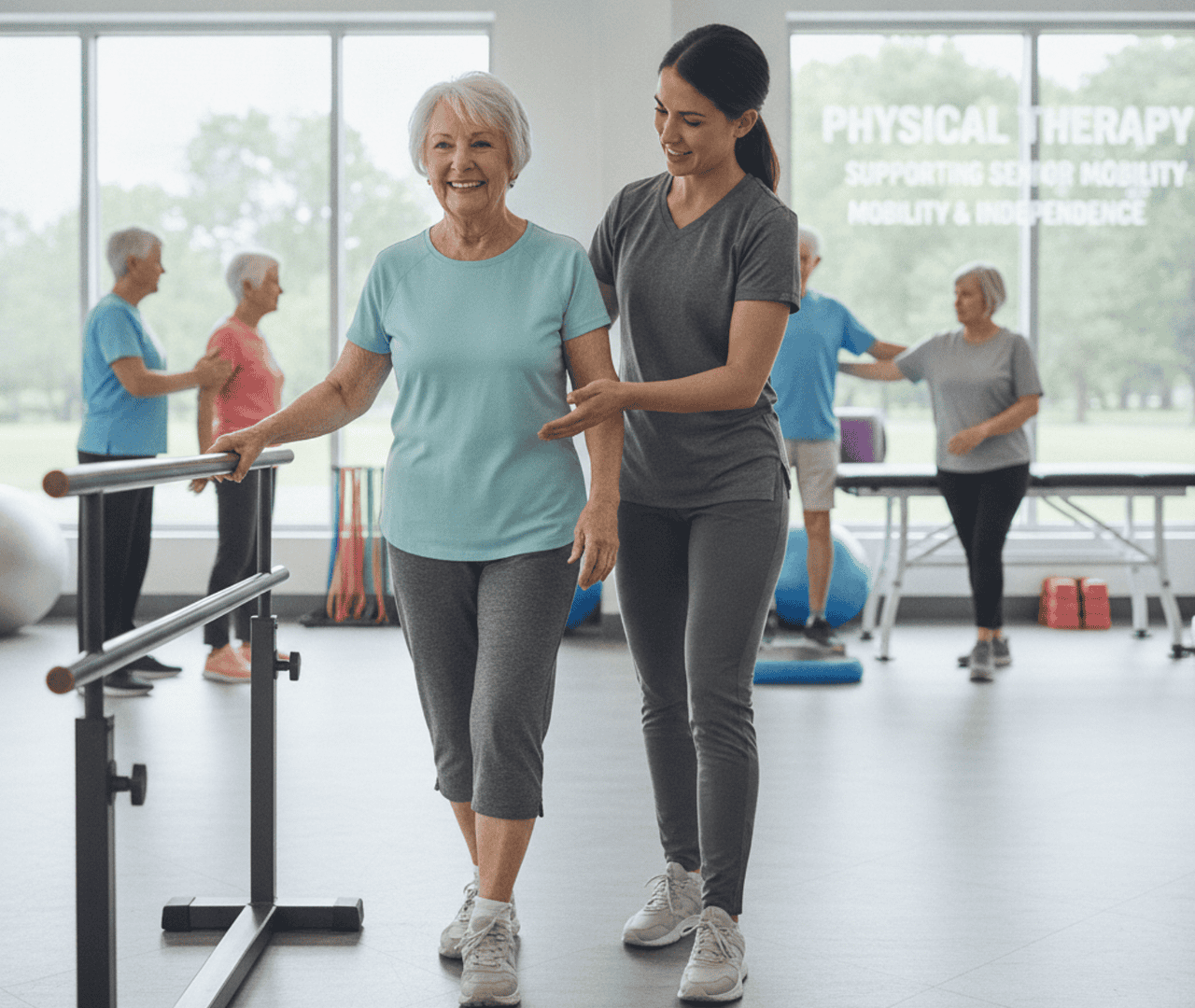
Physical therapy can support senior mobility and independence by improving strength, balance, flexibility, and coordination. It helps older adults move more safely, reduce their risk of falls, manage chronic conditions, and maintain the ability to perform everyday activities. Through personalized exercises and movement strategies, physical therapy can help seniors stay active and independent for longer.
As people age, it is common to experience changes in mobility. Joint stiffness, muscle weakness, balance challenges, and health conditions can make daily activities more difficult. Physical therapy provides a structured approach to addressing these concerns and supporting healthy aging.
Why Mobility Is Important for Seniors
Mobility plays a major role in overall health and quality of life. Being able to move safely and comfortably allows older adults to participate in daily activities, maintain social connections, and remain engaged in their communities.
Good mobility can help seniors:
- Perform daily tasks independently
- Participate in social activities
- Maintain physical fitness
- Reduce the risk of injury
- Improve confidence
- Support mental well-being
When mobility becomes limited, everyday activities such as walking, climbing stairs, or getting in and out of a chair may become more challenging. Physical therapy can help address these issues and promote greater independence.
What Is Physical Therapy?
Physical therapy is a healthcare service focused on improving movement, function, and physical health. Physical therapists evaluate an individual’s mobility needs and develop personalized treatment plans to help improve strength, balance, flexibility, and endurance.
Treatment plans may include:
- Therapeutic exercises
- Balance training
- Stretching routines
- Walking programs
- Mobility training
- Fall prevention education
- Pain management techniques
The goal is to help seniors move safely and comfortably while maintaining as much independence as possible.
How Physical Therapy Improves Strength
Muscle strength naturally decreases with age, which can affect balance, walking ability, and overall mobility.
Physical therapy helps seniors build and maintain strength through targeted exercises that focus on major muscle groups.
Benefits of strength training may include:
- Easier movement
- Improved posture
- Better stability
- Greater endurance
- Increased confidence during daily activities
Stronger muscles can also help support joints and reduce strain on the body during movement.
Supporting Better Balance and Fall Prevention
Falls are one of the most common health concerns for older adults. A fall can lead to injuries that affect mobility and independence.
Physical therapists often incorporate balance training into treatment plans to help reduce fall risks.
Balance-focused activities may include:
- Standing exercises
- Weight-shifting exercises
- Walking drills
- Coordination exercises
- Stability training
Improved balance can help seniors feel more secure while walking, navigating stairs, and performing daily tasks.
Increasing Flexibility and Joint Mobility
Joint stiffness and reduced flexibility can make movement uncomfortable and limit participation in daily activities.
Physical therapy includes stretching and mobility exercises designed to improve range of motion.
Benefits may include:
- Easier movement
- Reduced stiffness
- Better posture
- Improved comfort during daily activities
- Enhanced physical function
Maintaining flexibility can help seniors continue participating in activities they enjoy.
Managing Chronic Health Conditions
Many older adults live with chronic conditions that affect mobility and physical function.
Physical therapy can help individuals manage conditions such as:
- Arthritis
- Osteoporosis
- Parkinson’s disease
- Stroke recovery
- Joint replacement recovery
- Chronic back pain
- Balance disorders
Therapists develop personalized plans that address specific health concerns while promoting safe movement and physical activity.
Regular participation in therapy can help improve comfort and functional abilities over time.
Supporting Recovery After Illness or Injury
Physical therapy often plays an important role in recovery after surgery, illness, or injury.
Recovery goals may include:
- Restoring strength
- Improving mobility
- Rebuilding endurance
- Regaining confidence
- Returning to daily routines
For seniors recovering from hospital stays or orthopedic procedures, physical therapy can provide structured support throughout the rehabilitation process.
Early intervention often helps individuals regain function more effectively.
Promoting Independence in Daily Activities
One of the primary goals of physical therapy is to help seniors remain independent.
Therapists may focus on movements involved in everyday tasks, such as:
- Getting out of bed
- Standing from a chair
- Walking safely
- Climbing stairs
- Carrying household items
- Entering and exiting vehicles
Improving these skills can help older adults continue living independently and performing daily responsibilities with greater confidence.
Encouraging Safe Physical Activity
Many seniors benefit from regular exercise but may feel unsure about where to start.
Physical therapists can provide guidance on safe activities that match an individual’s abilities and health needs.
Recommended activities may include:
- Walking
- Stretching
- Strength exercises
- Balance exercises
- Water-based activities
- Low-impact fitness programs
Regular physical activity supports cardiovascular health, muscle strength, and overall well-being.
A personalized approach helps ensure activities remain safe and effective.
The Emotional Benefits of Improved Mobility
Physical health and emotional well-being are closely connected. Mobility limitations can sometimes lead to frustration, isolation, or reduced confidence.
As physical function improves, many seniors experience emotional benefits such as:
- Increased confidence
- Greater independence
- Improved mood
- Reduced fear of falling
- More participation in social activities
Feeling capable of completing daily tasks can contribute to a stronger sense of self-reliance and overall life satisfaction.
The Importance of Family and Caregiver Support
Family members and caregivers often play a valuable role in helping seniors achieve their therapy goals.
Supportive actions may include:
- Encouraging participation in exercises
- Assisting with transportation to appointments
- Celebrating progress
- Helping maintain healthy routines
- Promoting safe home environments
Working together can help reinforce positive habits and improve long-term outcomes.
Healthy Aging and Physical Therapy
Healthy aging involves staying active, maintaining mobility, and preserving independence whenever possible. Physical therapy supports these goals by helping seniors address movement challenges before they become more serious.
Regular mobility assessments and early intervention can help identify potential concerns and provide strategies to maintain physical function over time.
By focusing on prevention as well as rehabilitation, physical therapy becomes an important part of long-term wellness planning.
Conclusion
Physical therapy supports senior mobility and independence by improving strength, balance, flexibility, and overall physical function. It can help reduce fall risks, manage chronic conditions, support recovery, and make daily activities easier to perform. Through personalized care and consistent participation, older adults can maintain greater independence, stay active in their communities, and enjoy a higher quality of life as they age.


