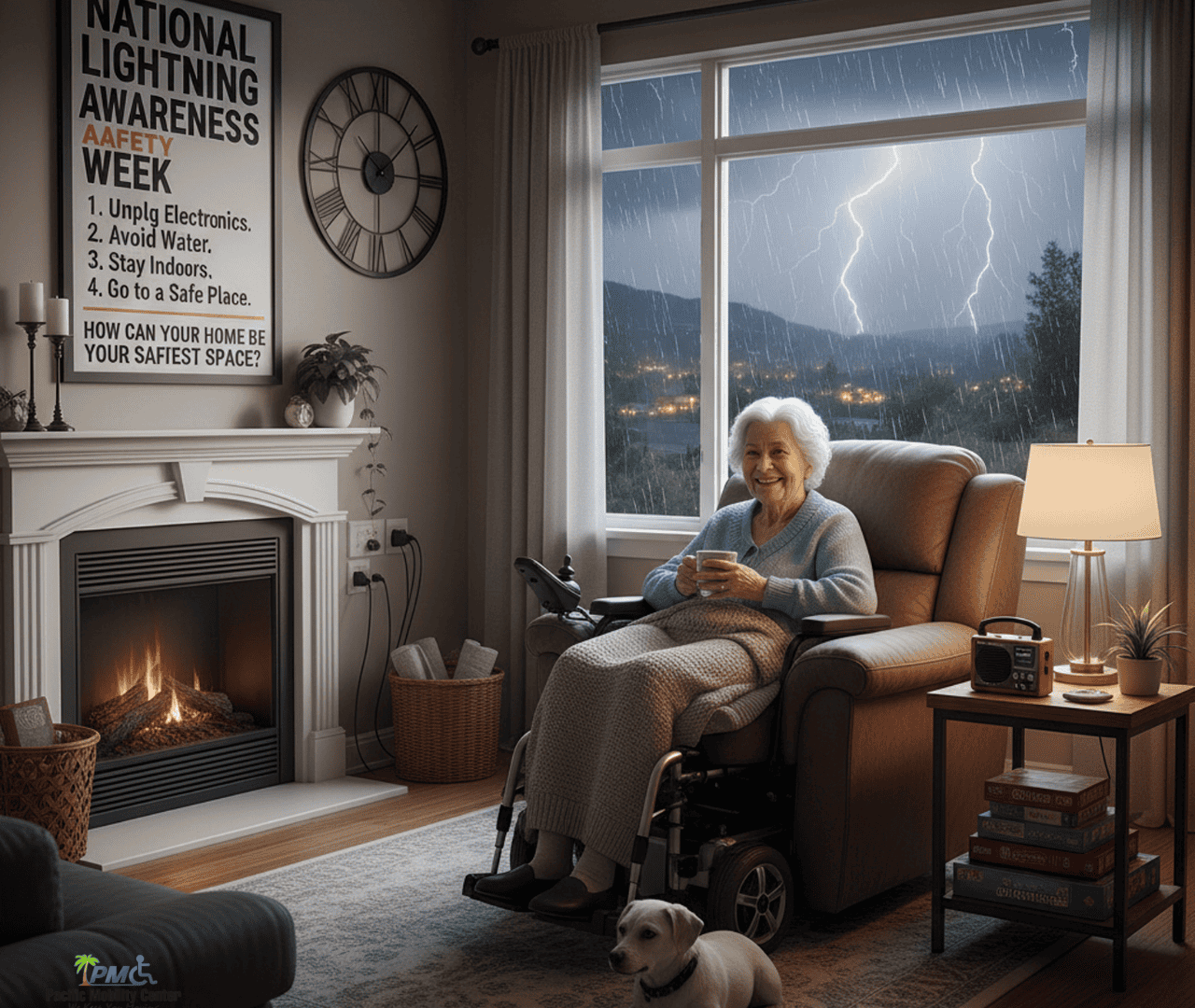
Your home becomes your safest space during National Lightning Safety Awareness Week by reducing lightning risks, using safe electrical practices, and preparing for sudden storms. Simple steps like staying indoors, unplugging devices, and avoiding water use during storms can greatly lower the risk of injury.
Lightning storms are more common during warmer months. As temperatures rise, sudden rain and thunder activity increase. This seasonal shift makes it important to prepare your home and daily routine for safety.
Why is lightning safety important at home?
Many people think being indoors is always safe, but lightning can still cause harm through electrical systems, plumbing, and open spaces.
Common risks include:
- Power surges damaging appliances
- Electrical shocks from plugged-in devices
- Fire hazards from lightning strikes
- Injuries from using water during a storm
Understanding these risks helps you take the right precautions.
What simple steps can make your home safer?
You do not need major changes to improve safety. Small actions can make a big difference.
Here are key steps to follow:
- Stay indoors during storms
Avoid stepping outside when you hear thunder - Unplug electrical devices
TVs, computers, and kitchen appliances can be damaged by power surges - Use surge protectors
These help protect electronics from sudden voltage spikes - Keep windows and doors closed
This prevents rain and wind from entering - Avoid contact with water
Do not shower, wash dishes, or use taps during lightning
These steps are easy to follow and highly effective.
How can you protect your electronics?
Lightning can travel through power lines and damage devices. Protecting your electronics is important for both safety and cost savings.
You can:
- Install whole-house surge protection if possible
- Use high-quality power strips with surge protection
- Turn off and unplug devices before storms when you can
This reduces the risk of damage and electrical hazards.
What areas of the home should you avoid?
Even inside your home, some areas are less safe during lightning storms.
Avoid:
- Bathrooms due to water and plumbing connections
- Kitchens when using sinks or appliances
- Rooms with wired electronics in use
- Open balconies or terraces
Choose a safe indoor area away from windows and electrical systems.
How can you prepare in advance?
Preparation helps you act quickly when a storm begins.
Consider these steps:
- Check weather updates regularly during storm season
- Keep emergency lights or flashlights ready
- Charge essential devices ahead of time
- Create a safe indoor space for your family
Being prepared reduces panic and improves response time.
What should families and caregivers keep in mind?
Safety planning should include everyone in the home, especially seniors and children.
Important tips include:
- Explain lightning safety rules clearly
- Help seniors unplug devices if needed
- Keep emergency contacts easily available
- Ensure mobility aids are placed safely away from electrical risks
A shared plan makes safety easier for everyone.
How does lightning safety connect to seasonal health?
Storm season can affect both safety and well-being. Sudden weather changes may cause stress, anxiety, or disruptions in routine.
To stay healthy:
- Maintain a calm indoor environment
- Keep rooms well-ventilated
- Stay hydrated even during rainy weather
- Follow a regular routine as much as possible
This helps support both physical and mental health.
What are common mistakes to avoid?
Avoiding small mistakes can prevent serious risks.
Do not:
- Use wired phones during a storm
- Stand near windows watching lightning
- Use electrical appliances unnecessarily
- Ignore early thunder sounds
Acting early is key to staying safe.
Final thoughts
Your home can be your safest place during National Lightning Safety Awareness Week when you take simple and practical steps. By staying indoors, avoiding electrical and water risks, and preparing ahead, you can protect yourself and your family.
Safety is about awareness and action. Small changes today can prevent serious problems tomorrow.
Legal Disclaimer: This post is strictly for educational use and should not be construed as professional advice (medical, legal, financial, or otherwise).