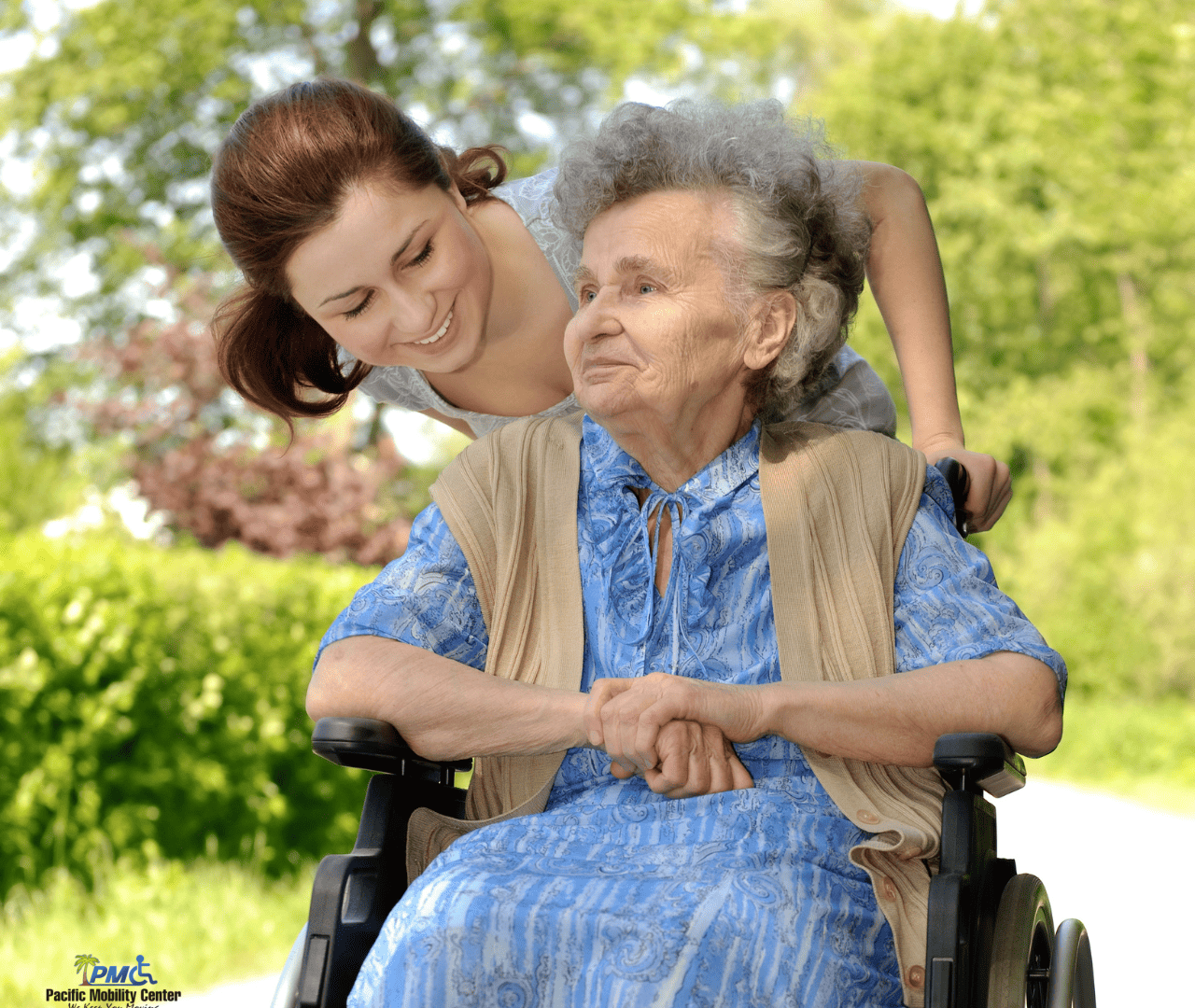
As people age, much of the conversation around health and independence tends to focus on physical strength—building muscle, preventing frailty, and maintaining endurance. While these are undeniably important, there’s another equally critical factor that often goes overlooked: mobility confidence. This refers to an individual’s belief in their ability to move safely and independently without falling or getting injured. For aging adults, mobility confidence can be just as impactful as muscle strength in determining quality of life, independence, and overall well-being.
Understanding Mobility Confidence
Mobility confidence is not just about physical capability; it’s deeply psychological. An older adult may have the physical strength to walk, climb stairs, or perform daily tasks, but if they lack confidence in their ability to do so safely, they may avoid these activities altogether. This avoidance can lead to a cycle of reduced movement, increased stiffness, muscle loss, and ultimately, a higher risk of falls and dependence.
In contrast, individuals who feel confident in their mobility are more likely to stay active, engage socially, and maintain their independence longer. Confidence acts as a bridge between physical ability and real-world action.
The Link Between Fear and Reduced Activity
One of the biggest barriers to mobility confidence is the fear of falling. This fear is common among older adults, especially those who have previously experienced a fall. Even a minor incident can significantly impact how a person perceives their ability to move safely.
When fear takes over, it often leads to reduced activity. Older adults may begin to limit walking, avoid stairs, or stop participating in social activities. Unfortunately, this reduction in movement contributes to muscle weakening, poor balance, and decreased coordination—ironically increasing the actual risk of falling.
Thus, the lack of mobility confidence doesn’t just affect mental well-being; it directly impacts physical health.
Muscle Strength Alone Isn’t Enough
Building muscle strength is essential, but it doesn’t automatically translate into functional independence. For example, an older adult may have strong leg muscles but still hesitate to walk outside due to uneven surfaces or crowded environments. This hesitation highlights the gap between physical capability and confidence.
Mobility confidence involves trust in one’s body—trust that movements can be performed safely and effectively. Without this trust, even strong individuals may struggle to maintain independence.
The Role of Balance and Coordination
Mobility confidence is closely tied to balance and coordination. These factors play a crucial role in preventing falls and enabling smooth, controlled movements. Exercises that focus on improving balance—such as standing on one leg, gentle yoga, or tai chi—can significantly boost confidence.
When older adults feel stable and in control of their movements, they are more likely to engage in daily activities without hesitation. This increased participation helps maintain both physical and mental health.
Social and Emotional Benefits
Confidence in mobility doesn’t just affect physical health—it also has profound social and emotional implications. Older adults who feel confident moving around are more likely to leave their homes, meet friends, attend community events, and stay socially connected.
On the other hand, those who lack confidence may become isolated, which can lead to feelings of loneliness, anxiety, and depression. Maintaining mobility confidence helps preserve not just independence, but also a sense of purpose and connection.
Strategies to Improve Mobility Confidence
Improving mobility confidence requires a holistic approach that combines physical training, environmental adjustments, and psychological support.
- Gradual Exposure to Movement: Encouraging small, manageable activities can help rebuild confidence over time. Starting with short walks or simple exercises can make a big difference.
- Balance and Stability Training: Incorporating exercises that improve balance can enhance both physical ability and confidence.
- Safe Environment Modifications: Ensuring that living spaces are free from hazards—such as loose rugs or poor lighting—can reduce fear and promote safe movement.
- Use of Assistive Devices: Tools like canes or walkers can provide additional support and reassurance, helping individuals move with greater confidence.
- Positive Reinforcement: Encouragement from caregivers, family members, or healthcare providers can boost self-belief and motivation.
- Education and Awareness: Understanding how to move safely and prevent falls empowers older adults to take control of their mobility.
A Balanced Approach to Healthy Aging
To support healthy aging, it’s essential to recognize that muscle strength and mobility confidence go hand in hand. Focusing solely on physical strength without addressing confidence can limit the effectiveness of any health intervention.
Healthcare providers, caregivers, and families should adopt a balanced approach—one that builds both physical capability and the confidence to use it. By doing so, older adults can maintain their independence, stay active, and enjoy a higher quality of life.
Conclusion
Mobility confidence is a powerful yet often underestimated aspect of aging well. While strong muscles provide the foundation for movement, confidence determines whether that strength is actually used in everyday life. Addressing both physical and psychological aspects of mobility is key to helping older adults remain independent, active, and engaged.
By prioritizing mobility confidence alongside muscle strength, we can create a more supportive and empowering environment for aging individuals—one where they feel capable, secure, and ready to move through life with confidence.
Legal Disclaimer:
This post is strictly for educational use and should not be construed as professional advice (medical, legal, financial, or otherwise).