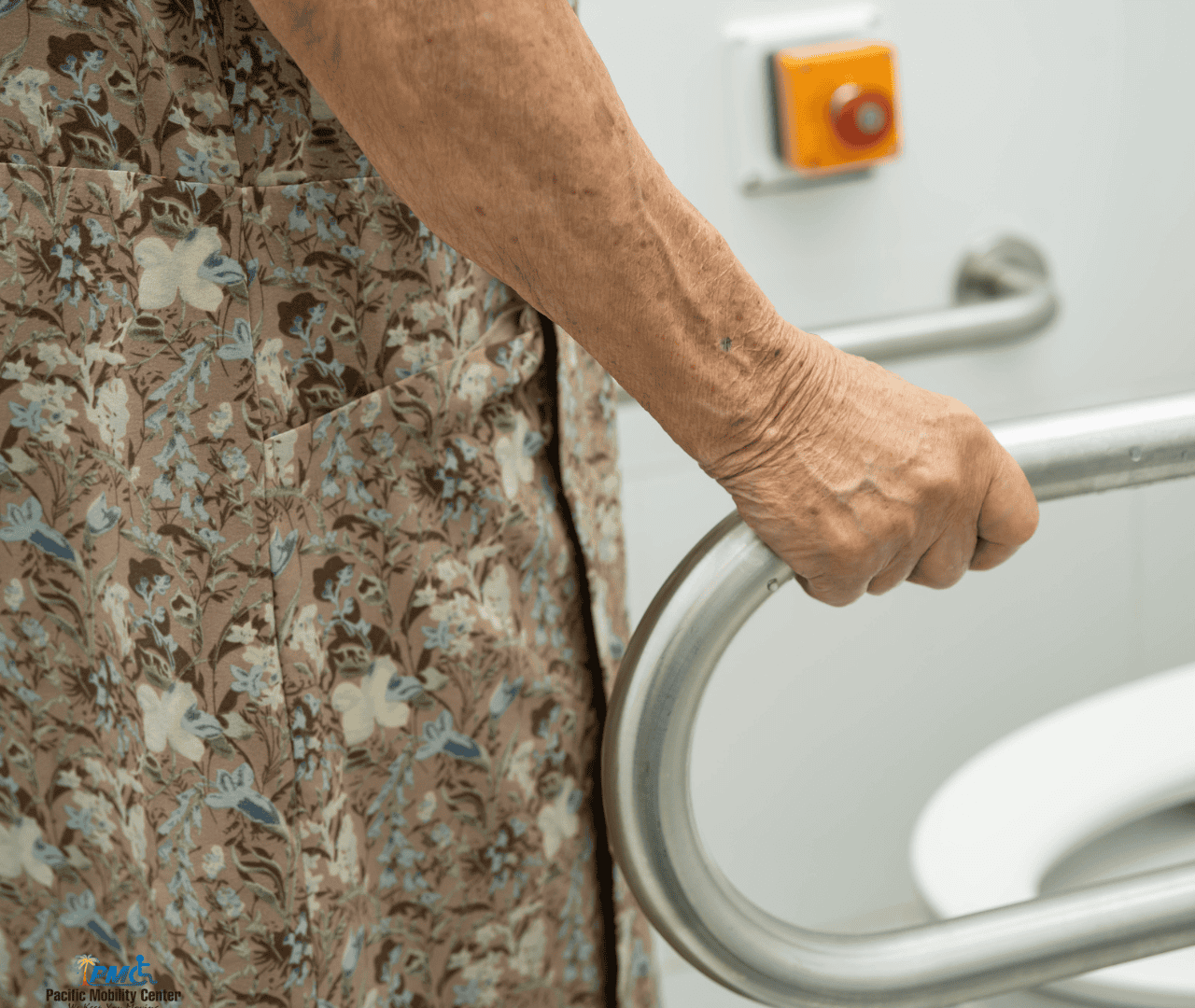
World Health Day is an important occasion to reflect on health priorities across communities. For seniors, one of the most critical aspects of health is safety at home. As people age, their vulnerability to injuries, falls, and other accidents increases. Maintaining a safe home environment is not only vital for preventing injuries but also essential for supporting independence, mental well-being, and overall community health. From the perspective of a home care service provider, home safety directly influences the quality of life and long-term health outcomes for older adults.
Take the story of Mr. Singh, a 76-year-old retiree who lived alone in his home. He had a history of high blood pressure and mild arthritis, and his mobility had declined slightly over the past few years. After a minor fall in his kitchen, he became cautious about moving around and reduced his daily activity. His family sought help from a home care provider who specializes in elder safety and community health. The team conducted a comprehensive home safety assessment, introduced mobility aids, installed grab bars, improved lighting, and rearranged furniture for easier navigation. These measures allowed Mr. Singh to regain confidence, engage in daily activities, and maintain his independence while reducing the risk of future accidents. His story illustrates how home safety interventions impact both individual and community health.
Conduct a Comprehensive Home Safety Assessment
A safe home begins with a detailed understanding of potential risks. Seniors face unique challenges, and each home environment is different.
Step by step assessment tips
- Walk through the home with the senior to identify hazards such as loose rugs, cluttered pathways, and uneven flooring.
- Assess mobility, balance, and strength to understand support needs.
- Review the senior’s medical history to identify conditions that increase risk of falls or injuries.
- Identify areas where daily activities take place, such as kitchens, bathrooms, and bedrooms.
- Prioritize modifications that address immediate safety concerns.
- Create a comprehensive safety plan tailored to the senior’s lifestyle and abilities.
A thorough assessment ensures that interventions are both practical and effective.
Reduce Fall Risks
Falls are the leading cause of injuries among older adults. Preventing falls is essential for community health because each injury has personal, familial, and healthcare impacts.
Step by step fall prevention tips
- Install grab bars in bathrooms and along staircases.
- Use non slip mats in bathrooms and kitchens.
- Ensure all walkways are clear of obstacles and clutter.
- Repair loose floorboards and uneven surfaces.
- Keep frequently used items within easy reach to reduce the need for bending or stretching.
- Encourage the use of mobility aids such as canes or walkers as needed.
Reducing fall risks not only protects seniors but also minimizes hospital visits and healthcare burdens for the community.
Improve Lighting and Visibility
Proper lighting is often overlooked but is crucial for senior safety. Changes in vision are common with age, and poor lighting increases the risk of accidents.
Step by step lighting improvements
- Install bright, even lighting in hallways, kitchens, and bathrooms.
- Use motion sensor lights in frequently used areas to prevent trips at night.
- Replace dim bulbs with higher lumen options for clarity.
- Add night lights in bedrooms and bathrooms.
- Ensure outdoor entrances and pathways are well lit.
- Reduce glare and shadows that can confuse depth perception.
Improved visibility allows seniors to navigate safely and maintain independence.
Support Safe Daily Activities
Mobility aids and home modifications are most effective when integrated into daily routines. Seniors must feel confident performing essential tasks safely.
Step by step support tips
- Provide seating areas in kitchens and bathrooms to reduce fatigue.
- Encourage the use of adaptive utensils and tools for cooking, dressing, and grooming.
- Monitor safe transfers from bed to chair or wheelchair.
- Gradually increase participation in household tasks as strength improves.
- Teach safe movement techniques such as standing up slowly and using handrails.
- Supervise early attempts at new activities to prevent accidents.
Supporting daily activities ensures that seniors remain independent and reduces the likelihood of stress or injury.
Promote Exercise and Physical Activity
Physical activity is essential for maintaining strength, balance, and cardiovascular health. Mobility exercises help seniors recover and prevent future injuries.
Step by step exercise tips
- Begin with simple stretching exercises to improve flexibility.
- Include short walking sessions indoors or in safe outdoor areas.
- Practice balance exercises using support rails or mobility aids.
- Increase exercise intensity gradually based on comfort and ability.
- Encourage consistency by incorporating exercises into daily routines.
- Celebrate progress to motivate continued participation.
Exercise supports overall community health by reducing hospitalization and promoting active lifestyles among seniors.
Educate Seniors and Families
Awareness is a powerful tool in home safety. Seniors and their families must understand risks and safe practices.
Step by step education tips
- Demonstrate proper use of mobility aids and safety equipment.
- Teach safe techniques for transferring, reaching, and bending.
- Discuss strategies to reduce falls and injuries.
- Encourage open communication about fears or challenges.
- Include family members in monitoring and implementing safety plans.
- Provide guidance on emergency procedures in case of accidents.
Education empowers seniors to take control of their safety and encourages family involvement in community health.
Regular Maintenance and Reassessment
Home safety is an ongoing process. Seniors’ needs and home environments change over time. Regular review ensures continued protection.
Step by step maintenance tips
- Inspect grab bars, handrails, and mobility devices regularly.
- Check flooring, rugs, and walkways for wear or hazards.
- Ensure lighting remains sufficient as needs change.
- Update safety modifications based on changes in mobility or health.
- Reassess exercise routines and physical activity levels.
- Consult occupational therapists or home care specialists periodically.
Regular maintenance ensures that safety interventions remain effective and support long-term independence.
Final Thoughts
Home safety is essential for senior community health. On World Health Day, it is important to recognize that safe homes prevent injuries, promote independence, and reduce healthcare burdens. By conducting comprehensive assessments, reducing fall risks, improving lighting, supporting daily activities, promoting exercise, educating families, and maintaining safety measures, caregivers can ensure that seniors live in a secure and empowering environment. Safe homes allow older adults to remain active, confident, and healthy while strengthening overall community health.
Legal Disclaimer: This post is strictly for educational use and should not be construed as professional advice (medical, legal, financial, or otherwise).