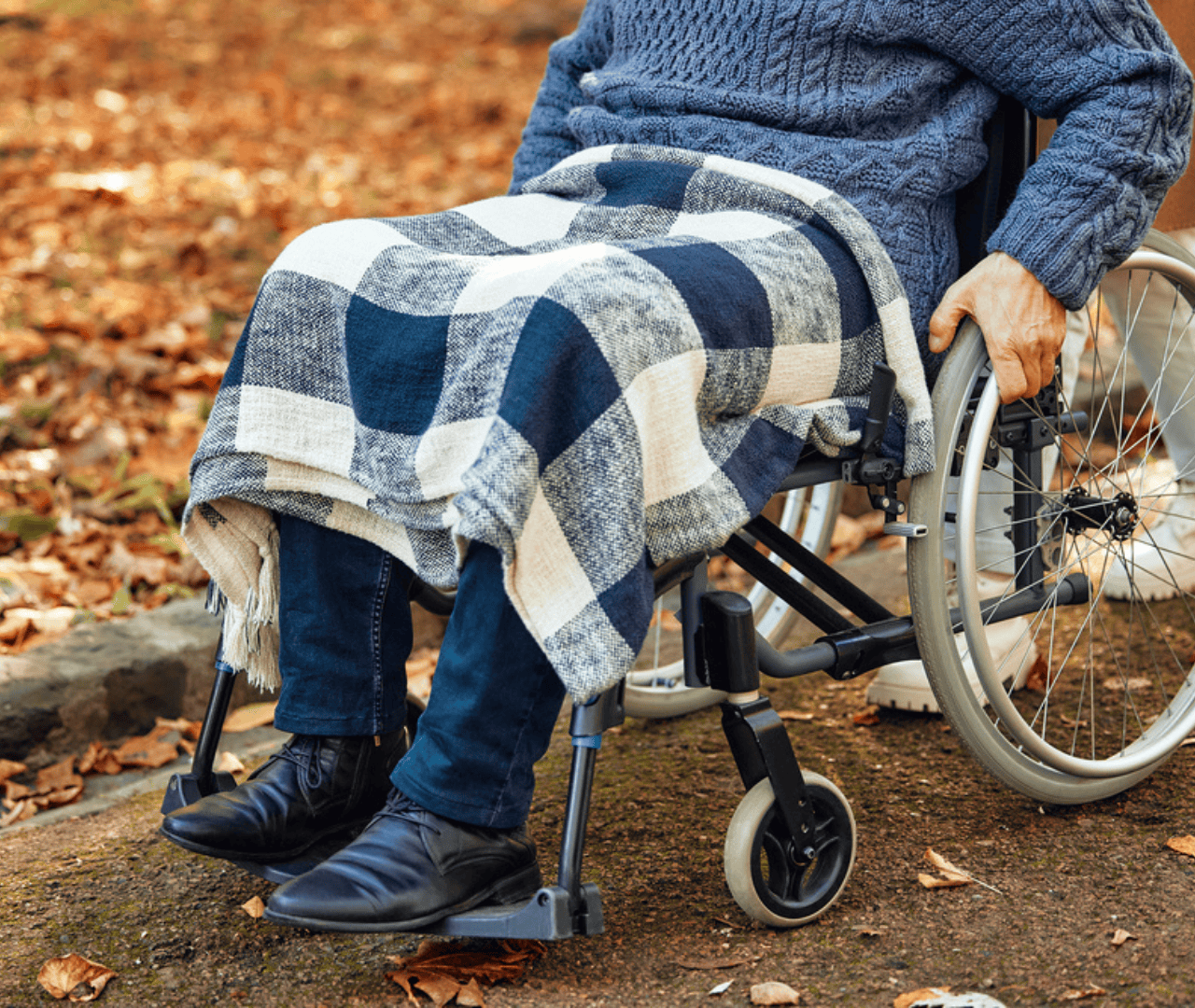
Fall is the best time to install a wheelchair ramp before winter hazards arrive because it ensures seniors and individuals with mobility challenges have safe, accessible entryways before ice, snow, and freezing temperatures make installation and everyday movement more difficult. By preparing ahead, families can avoid dangerous slips, reduce accessibility barriers, and create a safer home environment for the colder months.
Key reasons fall is the right time for ramp installation
- Avoid winter slips and falls: Ramps provide a safer surface than icy or uneven stairs.
- Easier installation conditions: Contractors can work more efficiently before snow, frozen ground, or ice complicate the process.
- Better accessibility for holidays: Families hosting gatherings in November and December ensure loved ones can enter and exit safely.
- Year-round independence: Seniors gain confidence knowing they can move freely regardless of weather.
- Prevent delays: Waiting until winter could mean longer installation times due to weather disruptions.
Why winter brings added risks
Stairs and entryways become especially hazardous during cold months. Ice buildup, slippery surfaces from tracked-in snow, and reduced daylight make navigation harder for older adults and individuals with disabilities. A wheelchair ramp with slip-resistant materials and handrails greatly reduces these risks, offering stability when winter weather is unpredictable.
Without a ramp, caregivers may also face increased physical strain when assisting loved ones in and out of the home, especially during snowy conditions.
Benefits of installing a wheelchair ramp in fall
- Safety first – Non-slip ramps with handrails keep seniors safe as temperatures drop.
- Comfort for caregivers – Reduces the risk of caregiver injury when helping with mobility.
- Accessibility during holidays – Thanksgiving and other fall/winter holidays often involve visits; ramps make gatherings more inclusive.
- Peace of mind before storms hit – Having a ramp in place before snow avoids last-minute safety concerns.
- Better product availability – Fall installation avoids winter supply or scheduling delays with contractors.
Why fall preparation matters for seniors
According to the CDC, one in four older adults experiences a fall each year, with risks increasing in icy conditions. Preparing the home environment in the fall helps reduce preventable accidents. Ramps also support independence, allowing seniors to age in place safely rather than avoiding parts of their home or relying on others for help navigating stairs.
Observances that make this topic timely in November
- National Home Care and Hospice Month – Highlights the importance of safe and accessible living spaces for seniors receiving care at home.
- National Family Caregivers Month – Ramps ease caregiver responsibilities by making transfers safer.
- National Long-Term Care Awareness Month – Encourages proactive planning for aging in place.
Talking about ramps in November emphasizes both safety and planning ahead before harsh weather sets in.
Caregiver tips for winter ramp safety
- Add traction strips: Prevent slipping by applying grip tape or rubber mats.
- Keep ramps clear: Regularly remove snow and ice with safe, non-corrosive products.
- Install lighting: Ensure ramps are well-lit as daylight hours shorten.
- Check handrails: Make sure they are sturdy and provide reliable support.
- Schedule fall inspections: Ensure the ramp is properly secured before heavy winter use.
Everyday benefits beyond winter
While ramps are critical for winter safety, they also provide year-round benefits:
- Spring and summer mobility: Seniors can safely enjoy gardens, porches, or outdoor spaces.
- Emergency access: Easier exits in case of fire or other emergencies.
- Visitor inclusivity: Friends or family who use wheelchairs, walkers, or scooters can visit comfortably anytime.
- Support for temporary needs: Ramps help even if mobility challenges are short-term, such as after surgery.
Final thought
Fall is the ideal season to install a wheelchair ramp because it ensures seniors and caregivers are prepared before winter hazards arrive. By reducing fall risks, supporting independence, and making holiday gatherings more accessible, ramps are a proactive step toward safer, more comfortable living at home. Installing in the fall avoids weather-related delays, ensures better safety, and provides peace of mind for families as they enter the colder months.