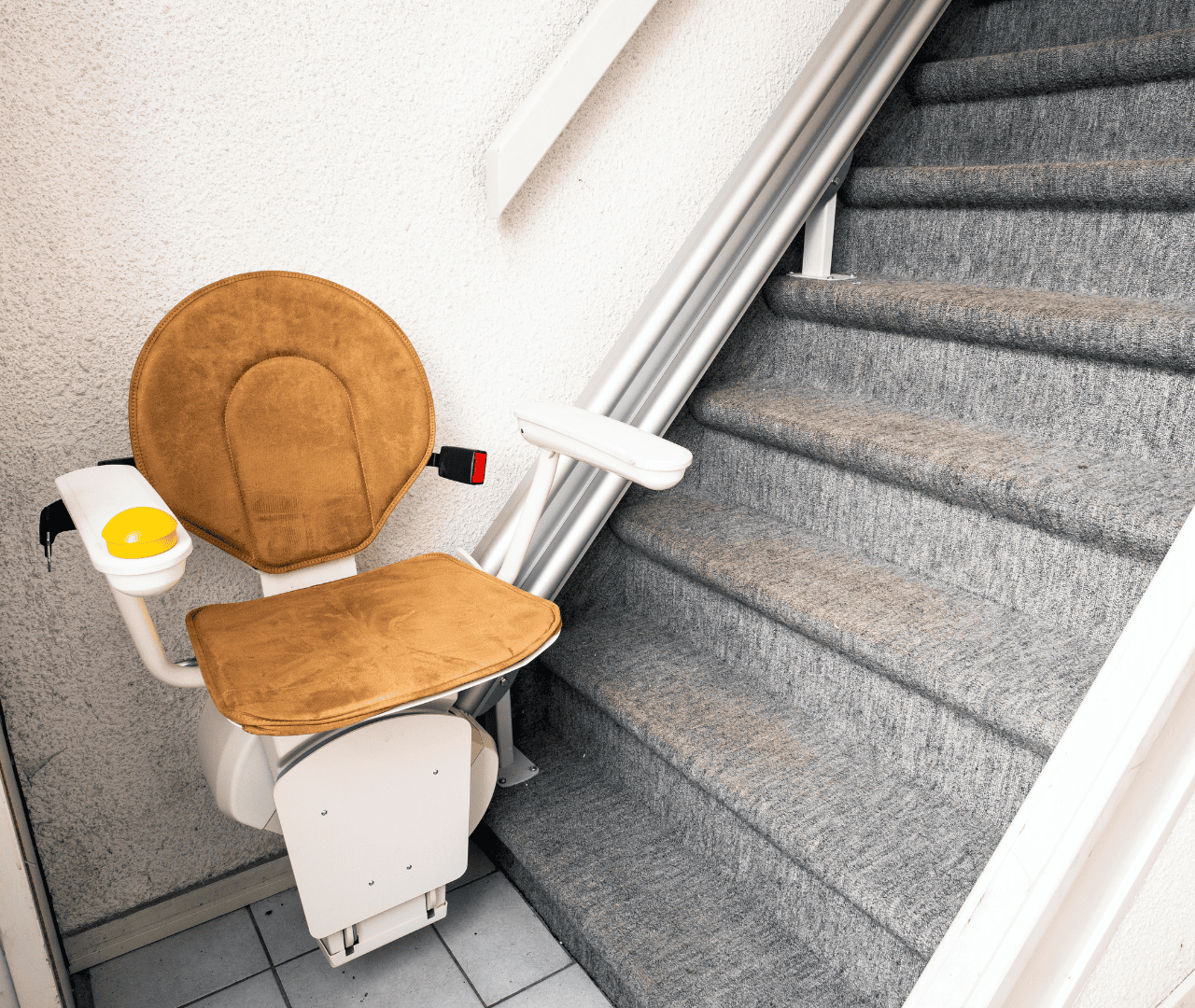
Stair lifts and chair lifts can significantly improve safety for seniors with atrial fibrillation by reducing the risk of falls, minimizing physical exertion, and helping maintain independence within the home. Here’s how:
How Stair Lifts and Chair Lifts Help Seniors with Atrial Fibrillation:
- Reduce Fall Risk: Seniors with atrial fibrillation (AFib) may experience dizziness, fatigue, or shortness of breath, which increases their risk of falling—especially on stairs. Stair lifts remove the need to navigate potentially dangerous steps.
- Minimize Physical Strain: Climbing stairs requires cardiovascular effort. Chair lifts and stair lifts eliminate this physical demand, allowing seniors to move between floors without stressing the heart.
- Support Safe Mobility: These devices provide a stable, motorized means of movement, allowing users to stay safely seated during elevation, which is crucial during AFib episodes or general fatigue.
- Promote Independence: By enabling seniors to safely access all areas of their home, these lifts reduce reliance on caregivers and help maintain a sense of autonomy.
- Enhance Emergency Readiness: In the event of a sudden AFib episode, having a chair lift ensures the senior can still access necessary areas of the house without delay or danger.
- Boost Confidence: Seniors may feel anxious about using stairs when their heart condition feels unpredictable. With a stair lift, they gain peace of mind knowing they can navigate their home securely.
Why Is This Important During Atrial Fibrillation Awareness Month?
September is Atrial Fibrillation Awareness Month, a time to raise public understanding of this serious condition and educate caregivers, families, and healthcare providers about improving quality of life and safety for those affected.
Atrial fibrillation is the most common type of irregular heartbeat, and it disproportionately affects older adults. For seniors, even mild physical activity—like climbing stairs—can trigger uncomfortable or even dangerous symptoms. AFib can cause heart palpitations, chest pain, weakness, and even lead to stroke if not managed properly.
During this month, it’s essential to highlight preventative safety solutions that allow seniors to remain active in their homes without putting themselves at risk. Mobility aids like stair lifts and chair lifts are not just convenient; they’re strategic tools for long-term wellness and fall prevention.
The Connection Between AFib and Fall Risk
Falls are the leading cause of injury-related hospitalizations in older adults. When AFib symptoms strike—especially sudden fatigue or dizziness—seniors may not have the strength or balance to safely use stairs. Unfortunately, many seniors either don’t have an alternative or continue using stairs despite the risk.
That’s where stair lifts come in. These devices can be installed on straight or curved staircases and allow the user to sit comfortably while the lift carries them up or down. Chair lifts can also include reclining features or padding for those who experience swelling or shortness of breath. These aids ensure seniors don’t have to choose between comfort and safety.
What Should Caregivers Know?
Caregivers play a key role in creating a safe living environment for seniors with AFib. They should:
- Assess mobility regularly – Watch for signs that a senior is struggling with stairs or showing increased fatigue.
- Discuss AFib symptoms openly – Seniors may hide symptoms like dizziness or palpitations due to fear or pride.
- Work with occupational therapists – These professionals can help assess the home for mobility risks and recommend suitable equipment.
- Consider long-term home accessibility – Even if AFib is being managed now, symptoms can worsen with age. Planning ahead helps avoid emergencies.
Installing a stair lift can be a one-time investment that provides years of safety and peace of mind, both for the senior and their support system.
Common Questions About Stair Lifts and Chair Lifts
Are they hard to install?
Most stair lifts can be installed in less than a day by a professional. No major construction is usually required.
Are they expensive?
While the cost varies, many companies offer payment plans, rentals, or refurbished models. Some insurance policies or VA benefits may also help cover the cost.
Are they safe during power outages?
Yes, most modern stair lifts have battery backups that allow them to operate for several trips even if the power goes out.
Do they take up a lot of space?
No. Most stair lifts are designed to be compact and foldable when not in use.
Final Thoughts
Living with atrial fibrillation requires careful attention to both heart health and home safety. One missed step can lead to a fall, hospitalization, or worse. For seniors who want to age in place safely, stair lifts and chair lifts offer a practical, proven solution.