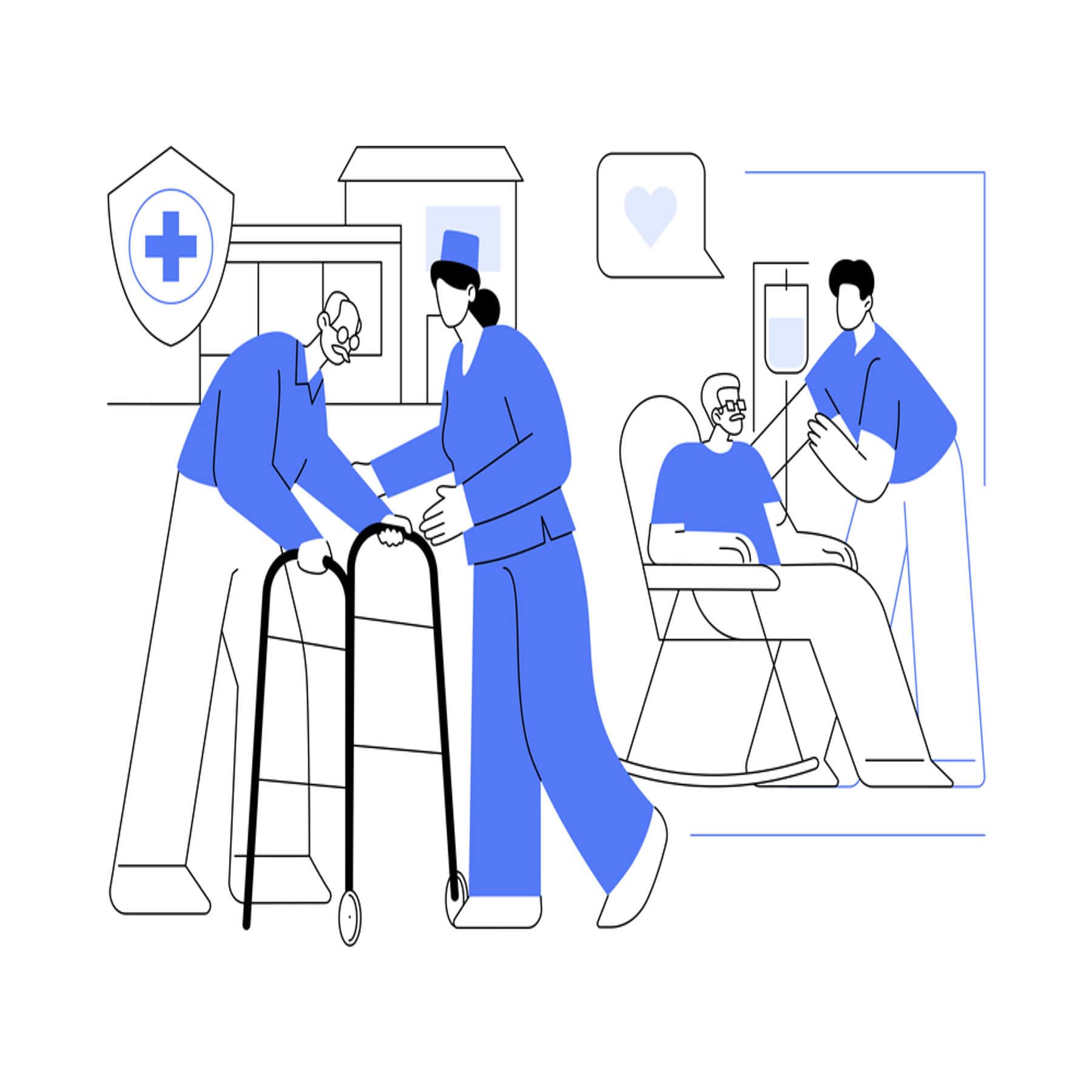
World Hospice and Palliative Care Day is an important global event that raises awareness about the need for equitable access to quality end-of-life care for individuals living with life-limiting illnesses. As our population ages, the demand for hospice and palliative care services has never been greater. For seniors facing chronic illness or the end of life, the ability to receive care in a comfortable, familiar environment—often their home—can make an enormous difference in their quality of life. However, ensuring that seniors can remain in their homes often requires changes to the physical environment to make it safe, accessible, and supportive of their care needs.
In this article, we’ll explore the importance of creating accessible home environments for seniors receiving hospice or palliative care, and how these environments can improve both comfort and dignity at the end of life.
The Importance of Hospice and Palliative Care
Hospice and palliative care provide holistic, person-centered support for individuals facing serious illness, focusing on pain relief, symptom management, and emotional and spiritual well-being. Unlike traditional curative treatments, which aim to cure disease, hospice and palliative care prioritize comfort and quality of life. These services can be provided in various settings, including hospitals, specialized care facilities, and, importantly, at home.
For many seniors, the idea of remaining at home during the final stages of life is deeply comforting. Home offers familiarity, privacy, and a sense of control, all of which contribute to a senior’s overall well-being. However, as health declines and care needs become more complex, home environments must be adapted to meet the new challenges posed by physical limitations, mobility issues, and medical equipment.
Creating Accessible Home Environments
An accessible home environment is essential for seniors who wish to receive hospice or palliative care in a safe and supportive space. Accessibility goes beyond the physical layout of a home; it also includes considering the emotional and mental comfort of the individual. Here are key aspects of creating an accessible and comfortable home environment for seniors in palliative care:
#1. Mobility and Safety Adaptations
As seniors age or face health challenges, mobility can become a significant concern. Many seniors receiving hospice or palliative care have limited mobility, making it difficult to move around the home safely. A few common mobility adaptations include:
– Ramps and Stair Lifts: For seniors in wheelchairs or those with difficulty climbing stairs, installing ramps or stair lifts can provide easy access to different levels of the home.
– Grab Bars and Handrails: In key areas like bathrooms and hallways, grab bars and handrails offer extra support, reducing the risk of falls, which are a major concern for seniors with limited mobility.
– Widened Doorways: Wheelchair users or those with walkers may need widened doorways to navigate the home more easily.
– Non-Slip Flooring: Replacing or modifying flooring with non-slip surfaces can help prevent dangerous falls, especially in bathrooms and kitchens where slippery conditions are common.
These modifications ensure that seniors can move freely and safely within their home, enhancing their sense of independence even as their physical health declines.
#2. Accessible Bathrooms and Bedrooms
Bathrooms and bedrooms are crucial spaces in the home where accessibility needs are often most significant. Seniors receiving hospice care may need assistance with personal hygiene, so ensuring that these areas are accessible is vital.
– Walk-In Showers or Tubs: Walk-in showers with seats or low-entry bathtubs provide safe, easy access for individuals who may struggle with traditional bathing setups.
– Adjustable Beds: In hospice care, adjustable beds that allow for various reclining positions can improve comfort, help with breathing, and make it easier for caregivers to assist with mobility.
– Raised Toilet Seats: Raised toilet seats with handles can make using the bathroom easier and safer for individuals with mobility issues.
These changes allow seniors to maintain a level of personal autonomy while also ensuring that caregivers can assist them as needed.
#3. Medical Equipment Integration
In-home hospice and palliative care often require the use of specialized medical equipment. Creating an accessible home environment means integrating this equipment in a way that is functional and minimally intrusive.
– Hospital Beds: For seniors with significant medical needs, hospital beds may be necessary. These beds should be placed in an area that is easily accessible to caregivers and close to necessary resources like bathrooms.
– Oxygen Machines and IV Stands: Medical equipment like oxygen tanks and IV stands should be arranged in a way that minimizes tripping hazards while still being readily available.
– Emergency Response Systems: Installing an emergency response system, such as a wearable alert button, ensures that seniors can quickly call for help in case of an emergency, providing peace of mind to both patients and caregivers.
#4. Emotional and Mental Comfort
While the physical setup of a home is critical, emotional and mental well-being are equally important for seniors receiving hospice and palliative care. Creating a comforting and familiar atmosphere can help ease the emotional strain of facing a terminal illness.
– Personalization: Keeping the home environment personalized with photos, familiar objects, and cherished items can provide emotional comfort to seniors. These items can help seniors feel connected to their loved ones and their memories, fostering a sense of peace.
– Quiet Spaces: Noise and activity can be overwhelming for seniors in palliative care. Creating a quiet, restful space within the home where seniors can relax without disruption is important for their mental and emotional well-being.
Supporting Caregivers in Accessible Environments
In addition to supporting seniors, an accessible home environment also benefits caregivers. Family members and professional caregivers play a crucial role in hospice and palliative care, and ensuring that the home is easy to navigate makes their work easier and less physically demanding. By reducing hazards and providing functional spaces for caregiving tasks, these modifications improve the overall caregiving experience, allowing caregivers to focus more on providing compassionate care and less on managing logistics.
Conclusion
World Hospice and Palliative Care Day is a reminder of the importance of ensuring that seniors receive compassionate, dignified care at the end of life. For many, being able to remain at home during this time is a deeply meaningful choice. By creating accessible home environments that support both physical and emotional needs, we can help seniors and their caregivers navigate this stage of life with greater ease and comfort.
Supporting seniors in hospice and palliative care through thoughtful home adaptations not only improves their quality of life but also ensures that their final days are spent in a space that fosters safety, dignity, and peace.