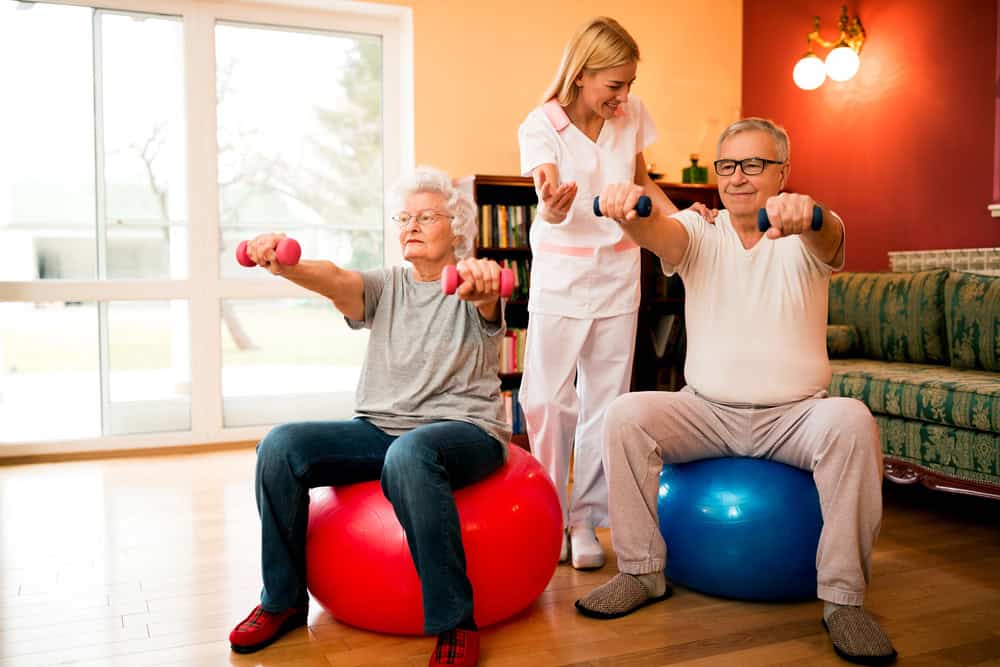
Seniors can incorporate chair-lifting exercises into their daily routine by practicing them in short sessions, using sturdy chairs in safe environments, and pairing the movements with everyday activities. Chair-lifting is a simple, low-impact exercise that strengthens the legs and core, improves balance, and helps maintain independence. With a few practical adjustments, it can easily become part of a senior’s wellness plan at home.
Simple ways to add chair-lifting into daily life
Chair-lifting, sometimes called “sit-to-stand” exercise, mimics one of the most essential daily movements: standing up from a chair. Here’s how seniors can start safely:
- Choose the right chair – Always use a sturdy chair without wheels, placed on a flat, slip-free surface.
- Start small – Begin with 5–10 repetitions once or twice a day, then increase gradually.
- Pair with routine activities – Try chair lifts before meals, after brushing teeth, or during TV commercial breaks.
- Focus on form – Keep feet flat on the floor, back straight, and arms crossed or lightly supported on thighs.
- Breathe steadily – Inhale while sitting down, exhale while standing up.
- Track progress – Caregivers can note repetitions to build consistency and celebrate improvements.
- Stay safe – Always perform exercises in a clutter-free, well-lit area.
These small habits make the exercise easy to remember and integrate into daily routines.
Why chair-lifting exercises matter for seniors
Chair-lifting is more than a workout—it’s a functional movement that directly supports independence. Practicing this motion regularly provides major benefits:
- Builds leg and core strength for stability.
- Improves balance and coordination, lowering fall risks.
- Supports independence in daily activities such as standing, walking, or getting out of bed.
- Boosts circulation and energy levels when done consistently.
- Promotes confidence, encouraging seniors to stay active.
Research shows that repeated sit-to-stand exercises are one of the most effective ways to improve mobility in older adults. By strengthening the same muscles used for everyday activities, chair-lifting helps seniors remain capable and independent for longer.
Variations to keep it engaging
To prevent boredom and build strength gradually, seniors can try simple variations:
- Arm-assisted lifts – Use the armrests when starting out, then progress to hands-free lifts.
- Hold and pause – Stay standing for 3–5 seconds before sitting down to build endurance.
- Add arm movements – Raise arms overhead while standing to engage the upper body.
- Slow and controlled reps – Moving slowly increases muscle engagement and balance.
These variations ensure the exercise remains challenging but safe.
The caregiver’s role in safe chair-lifting routines
Caregivers play a vital role in keeping seniors safe and motivated. They can:
- Supervise sessions to prevent falls and provide encouragement.
- Adapt exercises for health conditions such as arthritis or balance issues.
- Motivate consistency by adding chair lifts into daily schedules.
- Provide reassurance when seniors feel nervous about exercise.
- Celebrate progress to keep morale high.
By making exercise a shared routine, caregivers not only support physical health but also create positive bonding moments.
Why this is relevant in November
November is a timely month to discuss safe exercise for seniors because of key health observances:
- National Family Caregivers Month – Caregivers can support seniors in safe chair-lifting routines.
- National Alzheimer’s Disease Awareness Month – Gentle, structured exercise may help cognitive and physical health.
- National Home Care and Hospice Month – Emphasizes safe, simple home-based routines that improve quality of life.
Encouraging chair-lifting in November prepares seniors to stay active and safe through the colder months when outdoor mobility may be more limited.
Tips for seniors to stay consistent
Building consistency is often the biggest challenge. These tips can help:
- Make it enjoyable – Play music or pair exercises with favorite TV shows.
- Set reminders – Use alarms or sticky notes to prompt practice.
- Start with support – Hold on to armrests or a caregiver’s hand if needed, then progress to independent lifts.
- Stay comfortable – Wear supportive shoes and loose-fitting clothes.
- Include variety – Add other seated exercises, like leg extensions or arm raises, to keep routines engaging.
Consistency builds strength over time, even if sessions are short.
Safety precautions to consider
While chair-lifting is safe for most seniors, it’s important to follow precautions:
- Get medical clearance – Always consult a healthcare provider before starting new exercises.
- Know limits – Stop if dizziness, pain, or shortness of breath occurs.
- Use proper equipment – Stable chairs, good lighting, and slip-free flooring are essential.
- Avoid overexertion – Short, regular sessions are better than long, exhausting workouts.
- Warm up gently – Light stretching or ankle rolls prepare muscles for movement.
These steps ensure the exercise is safe, effective, and sustainable.
Everyday benefits beyond fitness
Chair-lifting exercises not only build strength but also improve quality of life:
- Greater independence – Seniors gain confidence in handling daily tasks.
- Reduced caregiver strain – Stronger seniors often need less physical assistance.
- Enhanced emotional health – Achieving exercise goals boosts mood and resilience.
- Opportunities for bonding – Caregivers and loved ones can join in for shared activity.
For many families, this simple exercise brings both physical and emotional rewards.
Final thought
Seniors can easily incorporate chair-lifting exercises into their daily routines by starting slowly, practicing consistently, and focusing on safety. With caregiver support and simple adjustments, this exercise can strengthen muscles, improve balance, and promote independence at home. As November observances remind us of the importance of caregiving, home care, and aging well, chair-lifting routines offer a practical, safe, and effective way for seniors to stay strong and active throughout the colder months.
By practicing this everyday movement, seniors not only build strength but also reinforce the confidence and independence that make aging in place possible.